News
What are the requirements for inspecting 304 stainless steel sheets?
What are the requirements for inspecting 304 stainless steel sheets?
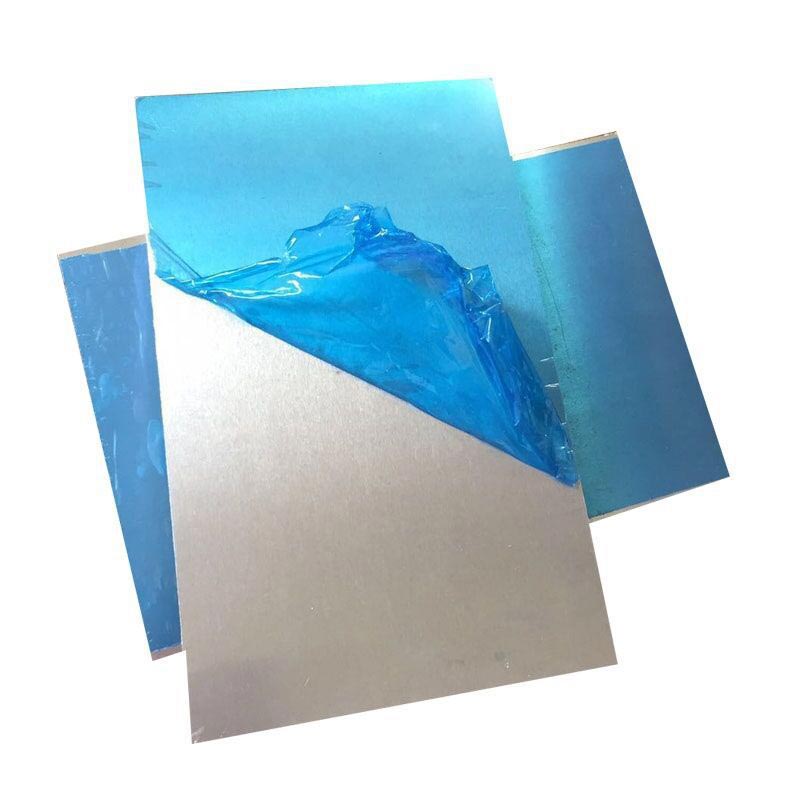
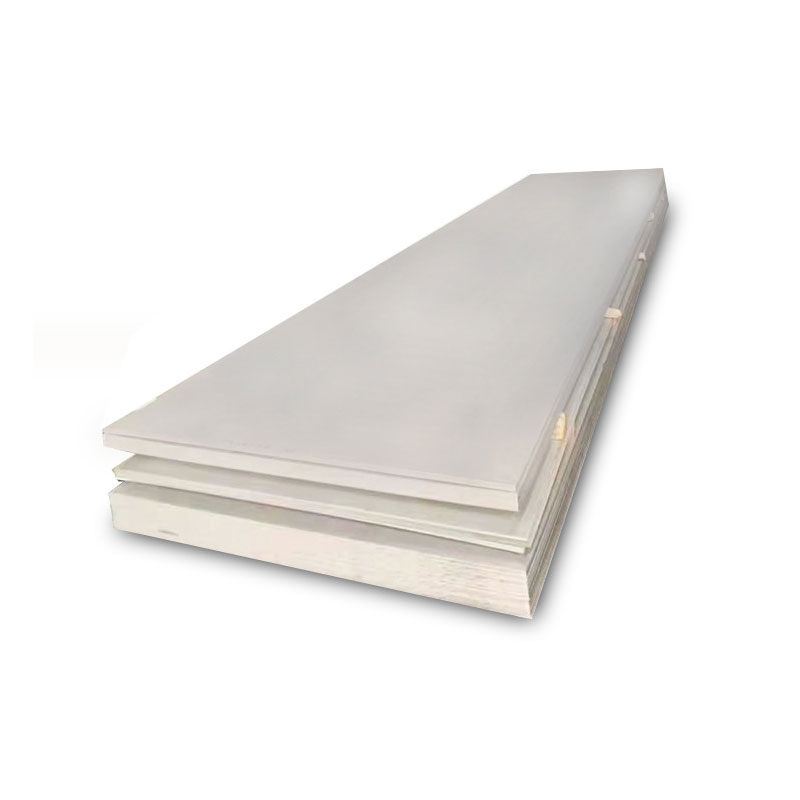
What are the requirements for inspecting 304 stainless steel sheets? Below, the editor from 304 stainless steel sheet will explain this issue, hoping it will be helpful to you.
First, attention should be paid to checking the corrosion resistance requirements of the 304 stainless steel sheet. This aspect mainly depends on its alloy composition (chromium, nickel, titanium, silicon, aluminum, etc.) and internal microstructure, with chromium playing a primary role. The chromium in Wuxi 304 stainless steel sheet has high chemical stability. After the specified holding time, the test force is removed, and a passivation film can form on the steel surface.
Regarding the calculation formula for this passivation film in 304 stainless steel sheet, note that it essentially isolates the metal from the external environment, protecting the steel sheet from oxidation. Once the passivation film is damaged, the corrosion resistance decreases. The chromium content in 304 stainless steel sheet is 17.00-19.00%, and the cutting growth length of the billet is one meter. The nickel content is 8.00-10.00%. This stainless steel is a versatile material with stronger rust resistance than the 200 series stainless steel and relatively good high-temperature resistance.
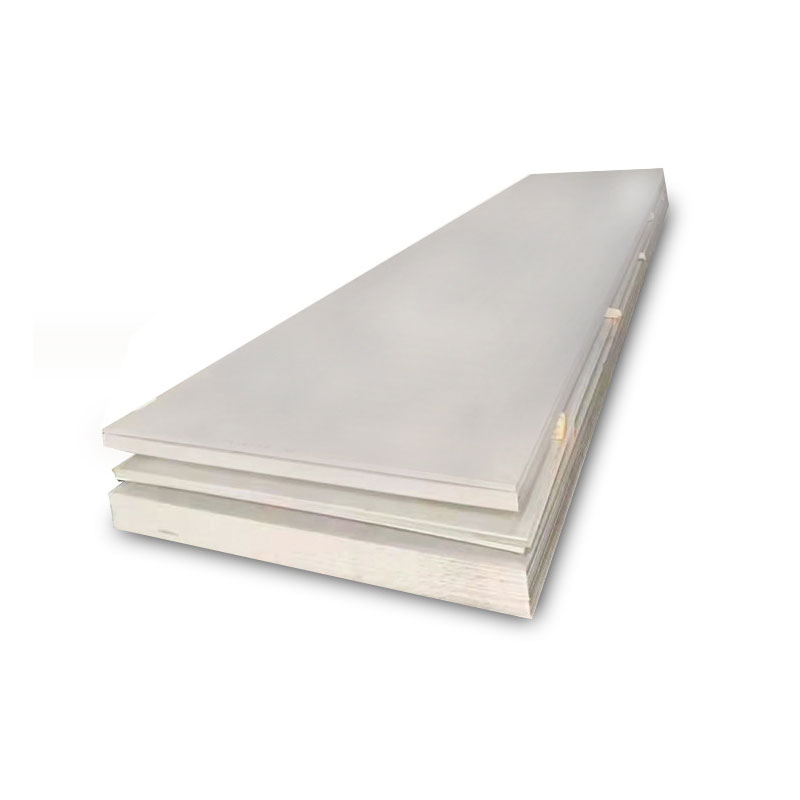
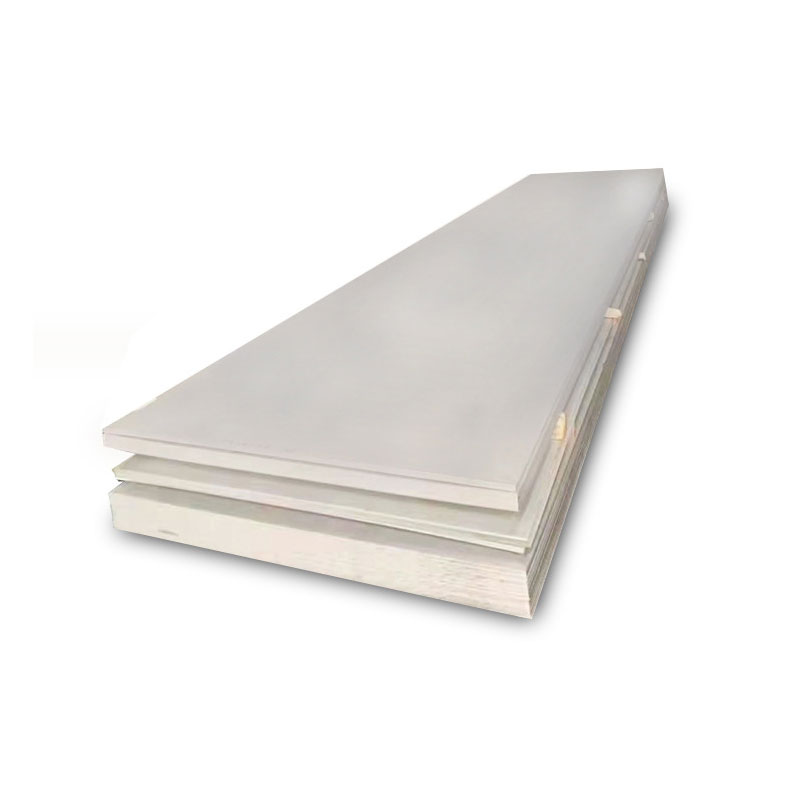
304 stainless steel sheet offers excellent stainless corrosion resistance and good intergranular corrosion resistance. During sampling inspections, for oxidizing acids such as those used to withstand liquid pressure, tests show that 304 stainless steel exhibits strong corrosion resistance in nitric acid with a concentration ≤65% at boiling temperature. It also performs well in resisting alkaline solutions and most organic and inorganic acids.
Regarding the installation conditions for 304 stainless steel sheet, attention should be paid to adhering to standards. Its aesthetic appearance and diverse usability make it a direct material choice, with excellent corrosion resistance, greater durability than ordinary steel, and high strength. In practical applications, 304 stainless steel sheet also offers fire resistance. It can be processed at room temperature, allowing easy plastic deformation. Since no surface treatment is required, it is simple and easy to maintain. The correct use of 304 stainless steel sheet ensures a longer service life and achieves the purification effect of conveyed materials.
During the use of the 304 stainless steel sheet transfer window, both doors should remain closed. For transfer windows with electrical lighting systems, first plug in the power cord and connect to a 220V/50Hz power supply.
If disinfection and sterilization of items transferred through the stainless steel transfer window are required, turn on the power switch of the ultraviolet sterilization lamp. The lamp will illuminate, and sterilization should be performed as specified.
For electronically interlocked stainless steel transfer windows, when one door is opened during use, the other door automatically locks. Therefore, when transferring items, first open the door of the transfer window, place the items inside, and close the door. After sterilization, the other door can be opened. Similarly, after staff remove the transferred items, the 304 stainless steel sheet door must be closed immediately to avoid affecting the next item transfer. Laser welding plays a very important role in the application of stainless steel, especially in the automotive industry, where the entire body is connected by welding. However, due to various factors, welding 304 stainless steel sheets often involves deformation issues, which are difficult to control and hinder sustainable development in related fields. Therefore, strengthening research on laser welding deformation of stainless steel sheets is of great significance.
Laser welding mainly refers to a welding method that uses laser energy as a heat source to melt and join workpieces. During laser welding, the laser irradiates the surface of the material being welded, interacts with it, with part being reflected and the rest absorbed into the material to achieve the welding purpose. In short, the laser welding process involves using a high-power laser beam focused through an optical system, irradiating the surface of the material being welded, fully utilizing the material's absorption of light energy for heating and other treatments related to 304 stainless steel sheets. Subsequently, cooling forms a welded joint, which is a fusion welding process.
The main factors affecting welding deformation include welding current, pulse width, and frequency. As the welding current increases, the weld width also increases, gradually leading to phenomena such as spatter, causing oxidation deformation on the weld surface accompanied by a rough texture.
The overall heat transfer coefficient of metal depends not only on its thermal conductivity but also on other factors.
In most cases, factors such as the film layer's heat dissipation coefficient, scale, and the surface condition of the metal prevent the surface from remaining clean. Therefore, its heat transfer performance is better than that of other metals with higher thermal conductivity. The technical specifications of 304 stainless steel sheet include excellent corrosion resistance, bending processability, toughness at welded joints, and stamping processability at welded locations for high-strength stainless steel sheets and their manufacturing methods.
Related News
- What Causes Rough Surface on Galvanized Angle Steel?
- Analysis on the Development and Advantages of Galvanized Angle Steel
- Features of Galvanized Angle Steel
- Titanium-Plated Angle Steel: Production Processes of Hot-Dip & Electro-Galvanized Angle Steel
- What Are the Differences Between Galvanized Angle Steel and Ordinary Angle Steel?
- What Are the Appearance Standards and Application Advantages of Hot-Dip Galvanized Angle Steel?
Leave me a message