News
Confused About 316L and 316 Stainless Steel Tubes?
Confused About 316L and 316 Stainless Steel Tubes?
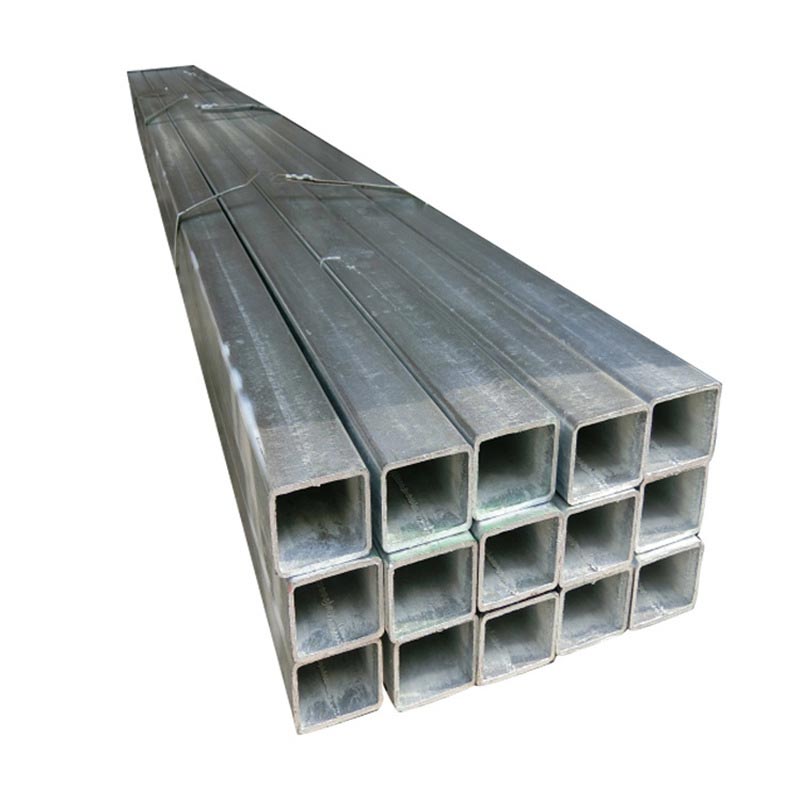
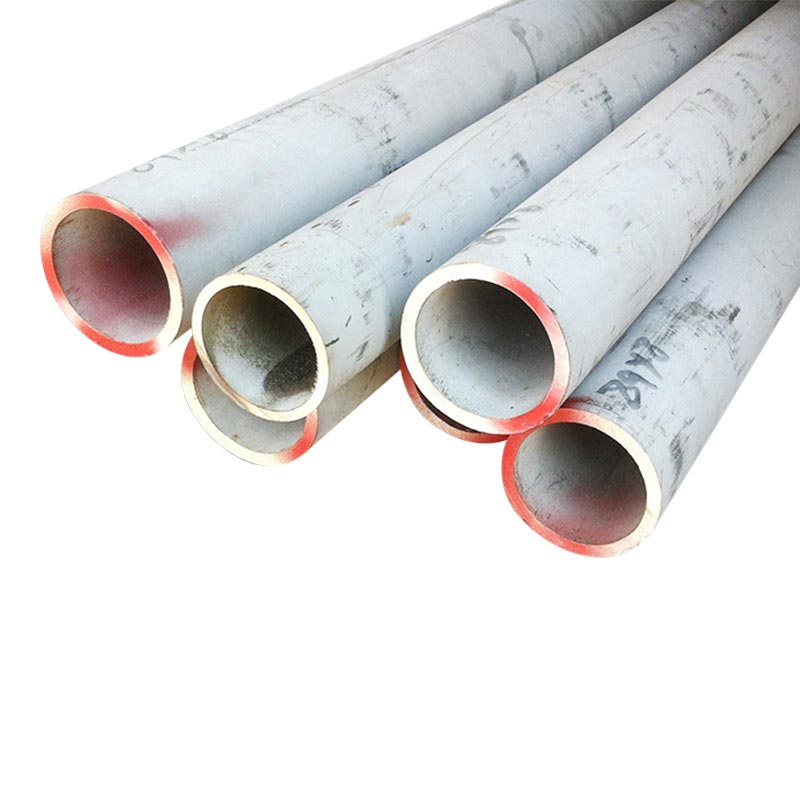
316L stainless steel tube is a widely applied pipe material in construction engineering, featuring an oval hollow tubular structure.
It is extensively adopted for mechanical equipment, petrochemical facilities, medical devices, food processing and light industry pipelines, as well as mechanical components. Nevertheless, many buyers struggle to distinguish 316L stainless steel tubes from standard 316 stainless steel tubes.
Wuxi Yinshan Coral Stainless Steel Co., Ltd. elaborates on the core differences between 316L and 316 stainless steel tubes as follows:
Production Cost Gap
316L stainless steel has an ultra-low carbon content and superior weldability, making its tubes slightly more expensive than 316 counterparts, though the price gap is marginal.
316L stainless steel is also defined as ultra-low-carbon grade 316 stainless steel.
Disparity in Mechanical Tensile Strength
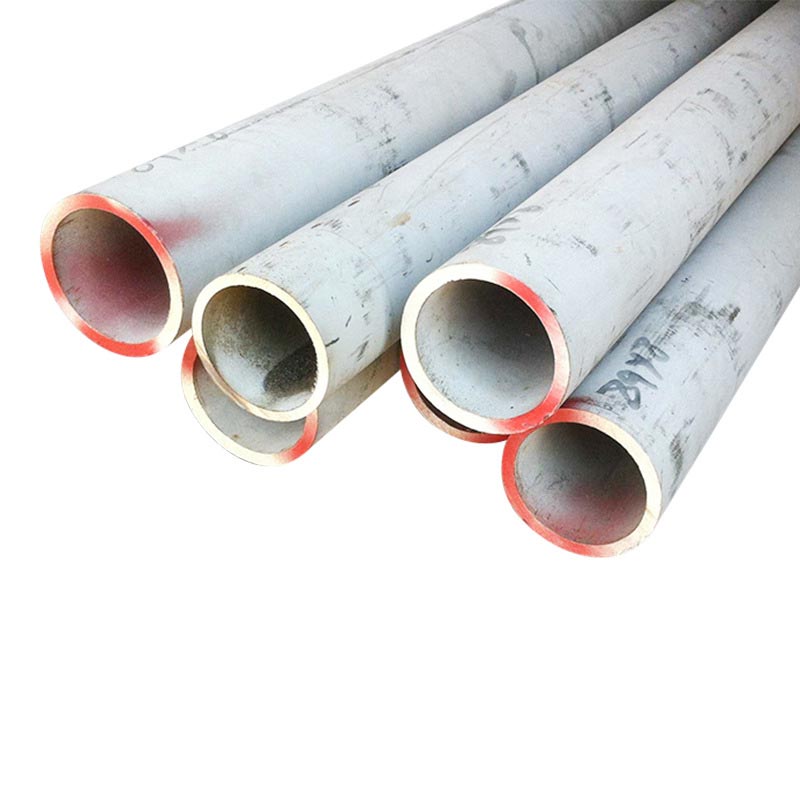
316 stainless steel tubes deliver higher tensile strength than 316L variants.
Tensile strength of 316 stainless steel tube: above 520 MPa
Tensile strength of 316L stainless steel tube: above 480 MPa
Carbon acts as a strong austenite stabilizer that noticeably boosts the tensile strength of stainless steel, which accounts for this performance difference.
Practical Application Distinction
The cost difference between 316 and 316L stainless steel is insignificant, yet 316L boasts markedly better corrosion resistance and weldability.
From steel manufacturers’ perspective, conventional 316 stainless steel has extremely low market demand, so mills are reluctant to produce it.
As a result, ultra-low-carbon 316L dominates the market circulation. Standard 316 stainless steel tubes are only supplied upon special customized requests.
Contrasting Welding Treatment Requirements
Carbon exerts adverse impacts on stainless steel’s corrosion resistance, especially for welded components.
After welding, conventional 316 stainless steel suffers inferior anti-corrosion performance compared to 316L.
To restore satisfactory corrosion resistance, welded joints of 316 stainless steel must undergo solution annealing post-welding.
In contrast, 316L stainless steel requires no solution annealing after welding.
Variation in Corrosion Resistance
316L stainless steel tubes possess stronger anti-corrosion capacity, suitable for severely corrosive environments such as coastal areas.
For service scenarios with harsh corrosive conditions, standard 316 stainless steel tubes are not recommended.
Scope of Application Difference
In most general scenarios, 304 stainless steel tubes can fully meet usage requirements.
Due to the higher cost of 316L stainless steel tubes, their material cost is roughly 1.5 times that of 304 tubes. Therefore, 316L tubes shall be selected and customized only when necessary.
Related News
- What Causes Rough Surface on Galvanized Angle Steel?
- Analysis on the Development and Advantages of Galvanized Angle Steel
- Features of Galvanized Angle Steel
- Titanium-Plated Angle Steel: Production Processes of Hot-Dip & Electro-Galvanized Angle Steel
- What Are the Differences Between Galvanized Angle Steel and Ordinary Angle Steel?
- What Are the Appearance Standards and Application Advantages of Hot-Dip Galvanized Angle Steel?
Leave me a message