News
What Are the Standard Process Conditions for Bright Annealing of 304 Stainless Steel Pipes?
What Are the Standard Process Conditions for Bright Annealing of 304 Stainless Steel Pipes?
Chinese Polished Version
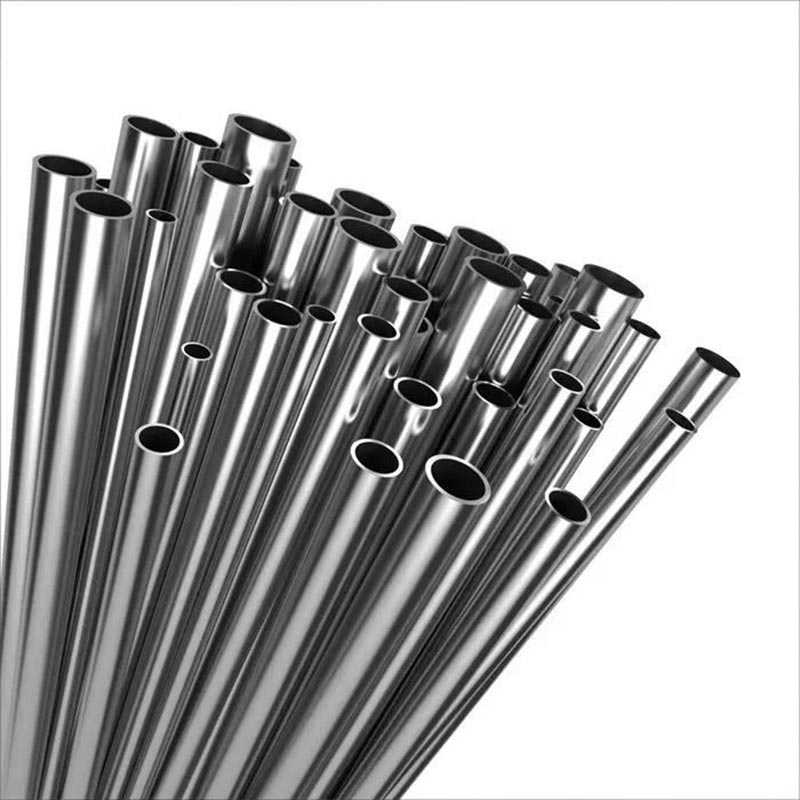
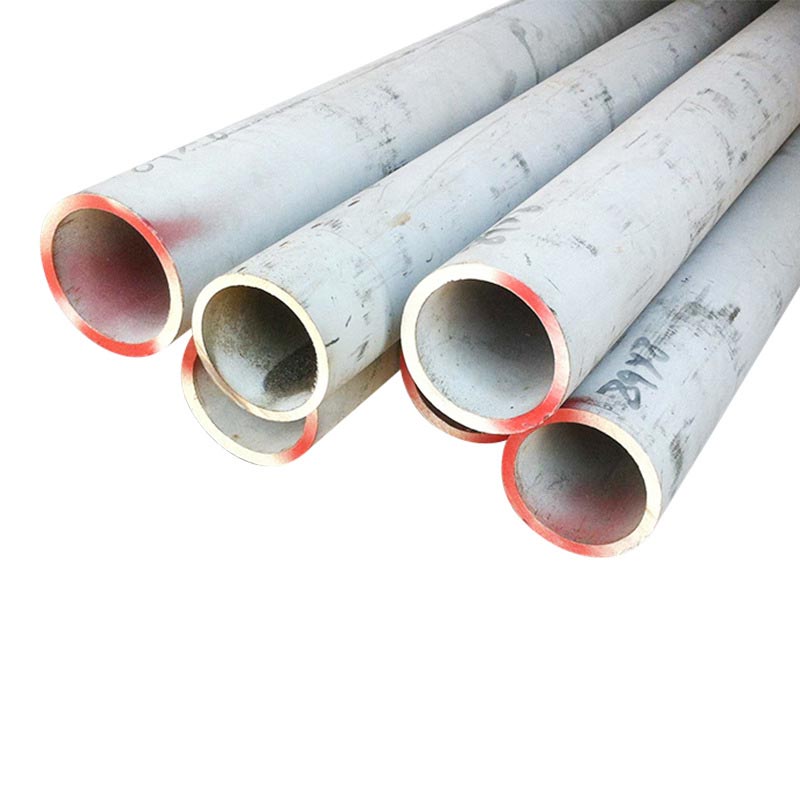
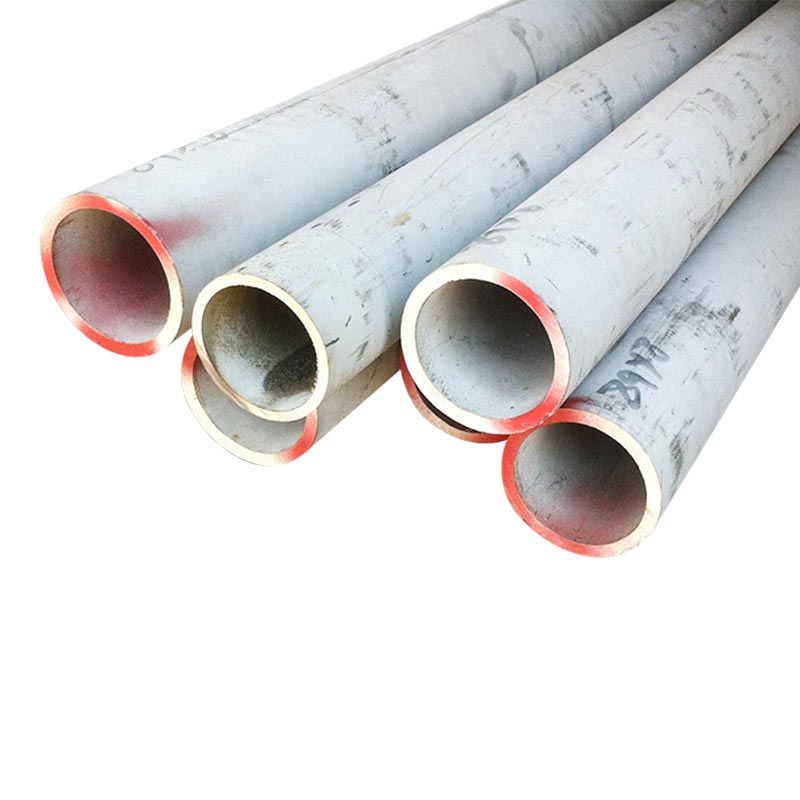
Bright annealing is a key heat treatment process for 304 stainless steel pipes, which can optimize the internal metallographic structure, eliminate internal stress, and ensure smooth and oxide-free surface of pipes. To achieve ideal bright annealing effect, the production process must strictly meet five core process conditions as follows.
1. Strict Furnace Sealing Performance
The bright annealing furnace must be well sealed to completely isolate the internal cavity from external air and avoid pipe oxidation. When high-purity hydrogen is used as the protective gas, only one reserved exhaust port is required for gas circulation, and all other furnace valves and gaps must be fully closed and sealed.
2. Zero Water Vapor Inside the Furnace
Excessive water vapor is a major cause of annealing defects and surface discoloration. Before production, it is necessary to double-check: the furnace interior and auxiliary materials are completely dry, and the incoming 304 stainless steel pipes have no residual water or moisture on both inner and outer surfaces.
3. Stable Positive Pressure Protection
To prevent external air from penetrating through tiny gaps, the protective gas inside the furnace must maintain a continuous stable positive pressure. When hydrogen serves as the protective medium, the internal furnace pressure needs to be kept above 20kBar to ensure effective air isolation.
4. Standardized Annealing Temperature Control
The bright annealing of 304 stainless steel pipes adopts solution heat treatment, with the standard temperature range controlled at 1040℃ to 1120℃. Workers can observe the pipe state through the furnace viewing hole: qualified annealed pipes present a uniform incandescent state without softening, sagging or deformation.
5. High-purity Hydrogen Protective Atmosphere
Pure hydrogen is the exclusive protective atmosphere for bright annealing, with the purity required to be close to 100%. The furnace cavity must not contain excessive oxygen and water vapor. Impurities in the atmosphere will directly cause surface oxidation, dullness and reduced corrosion resistance of stainless steel pipes, determining the final annealing quality.
English Version
Bright annealing is a critical heat treatment process for 304 stainless steel pipes, which optimizes metallographic structure, relieves internal stress, and delivers an oxide-free, bright surface. Qualified bright annealing effects rely on five strict standard process conditions.
1. Reliable Furnace Sealing
The annealing furnace must be fully sealed to cut off contact with outside air. When hydrogen is used as the protective gas, only one exhaust port is reserved for gas discharge, and all other valves and gaps must be tightly closed to prevent air infiltration and pipe oxidation.
2. Complete Removal of Internal Water Vapor
Water vapor is a key factor leading to defective annealing. Before operation, ensure the furnace interior and accessories are thoroughly dry, and all incoming 304 stainless steel pipes are free from surface and internal moisture.
3. Continuous Furnace Positive Pressure
To avoid micro air leakage, the internal protective gas must maintain stable positive pressure. For hydrogen protection systems, the furnace pressure should be consistently maintained above 20kBar to isolate external air effectively.
4. Precise Annealing Temperature Range
304 stainless steel bright annealing adopts solution heat treatment at a standard temperature of 1040℃ to 1120℃. Through the furnace observation window, qualified pipes show an even incandescent appearance without softening, sagging or structural deformation.
5. High-purity Protective Atmosphere
Bright annealing requires nearly 100% pure hydrogen as the protective atmosphere. Excessive oxygen and water vapor impurities are strictly prohibited, as they will cause surface oxidation and performance degradation, directly affecting the finished quality of annealed stainless steel pipes.
Related News
- What Causes Rough Surface on Galvanized Angle Steel?
- Analysis on the Development and Advantages of Galvanized Angle Steel
- Features of Galvanized Angle Steel
- Titanium-Plated Angle Steel: Production Processes of Hot-Dip & Electro-Galvanized Angle Steel
- What Are the Differences Between Galvanized Angle Steel and Ordinary Angle Steel?
- What Are the Appearance Standards and Application Advantages of Hot-Dip Galvanized Angle Steel?
Leave me a message