News
How to Distinguish Unmarked 201 and 304 Stainless Steel Pipes?
How to Distinguish Unmarked 201 and 304 Stainless Steel Pipes?
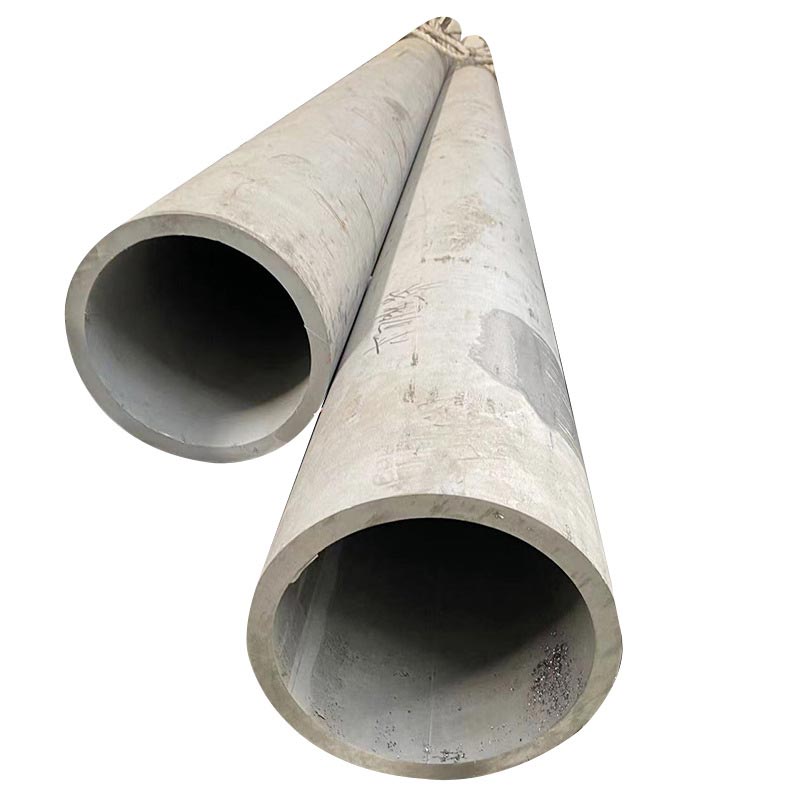
304 stainless steel pipes have gained growing market popularity due to their outstanding corrosion resistance. In contrast, 201 stainless steel pipes feature inferior anti-corrosion performance. They are not suitable for long-term humid environments and coastal areas with high salt fog, and are only applied to dry conditions and scenarios with low quality requirements. With excellent moisture and salt corrosion resistance, 304 stainless steel pipes are widely used in humid coastal regions such as Guangdong, Fujian and Zhejiang.
Thanks to the performance gap, 201 stainless steel pipes are more cost-effective with lower prices. Some unscrupulous merchants deliberately pass off 201 products as 304 stainless steel pipes to reap excessive profits. This shoddy substitution not only disrupts the market order, but also brings hidden risks such as corrosion and aging for practical engineering and equipment operation.
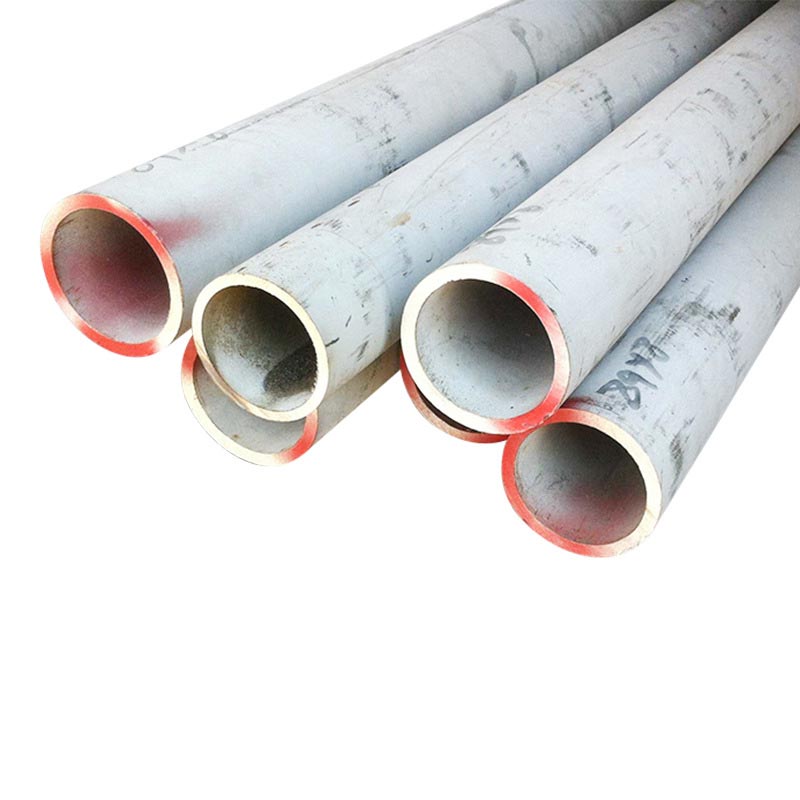
Most counterfeit stainless steel pipes are not marked with official steel stamps, making it hard for users to identify their materials intuitively. Here are three simple and effective methods to distinguish unmarked 201 and 304 stainless steel pipes accurately.
1. Appearance, Touch and Water Stain Test
Both pipes have matte surfaces but differ greatly in details. 304 stainless steel pipes present bright and clean luster with a smooth touch, while 201 pipes are dull and rough. After being wiped with wet hands, water stains and fingerprints on 304 pipes can be removed easily, whereas those on 201 pipes are stubborn and hard to clean thoroughly.
2. Grinding Spark Identification
Use a grinder with a grinding wheel to polish the pipe surface gently with uniform force. 201 stainless steel produces dense, thick and long sparks during grinding, while 304 stainless steel, with better structural stability, generates sparse, thin and short sparks, creating a distinct visual difference.
3. Pickling Paste Detection
Apply special stainless steel pickling paste evenly on the pipe surface and observe the color change after 2 minutes. Blackened coating indicates 201 stainless steel, while unchanged or slightly whitened coating confirms qualified 304 stainless steel. This method is simple to operate with high accuracy.
Related News
- How to Inspect and Maintain the High Pressure Hoses for Safety?
- Corrosion Resistance Performance of 304 Thin-Walled Stainless Steel Water Pipes
- What Is 304 Stainless Steel Sheet? How to Identify It?
- What Is 304 Stainless Steel Sheet? How to Identify It?
- Analysis of Oxidation Causes of 316L Stainless Steel Sheets
- The Role of Alloying Elements in Stainless Steel Composition
Leave me a message