News
How to Identify Unmarked 201 and 304 Stainless Steel Pipes?
How to Identify Unmarked 201 and 304 Stainless Steel Pipes?
Chinese Polished Version
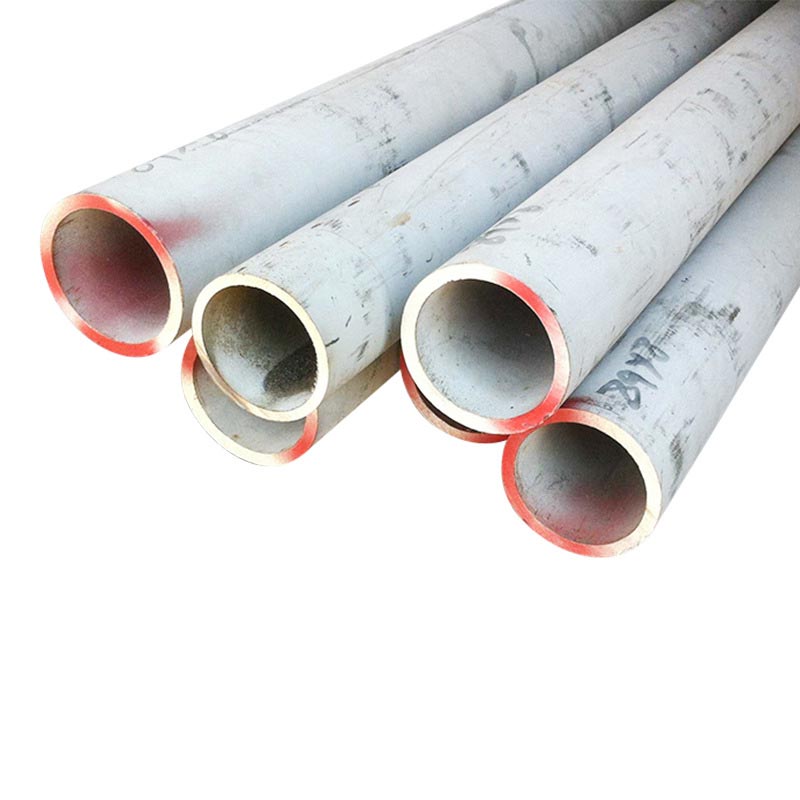
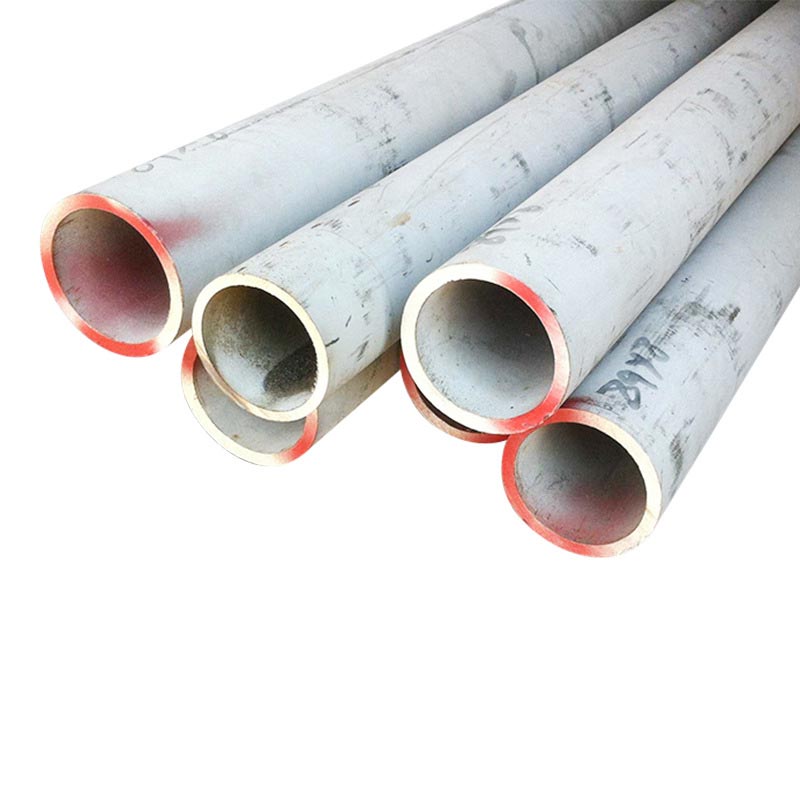
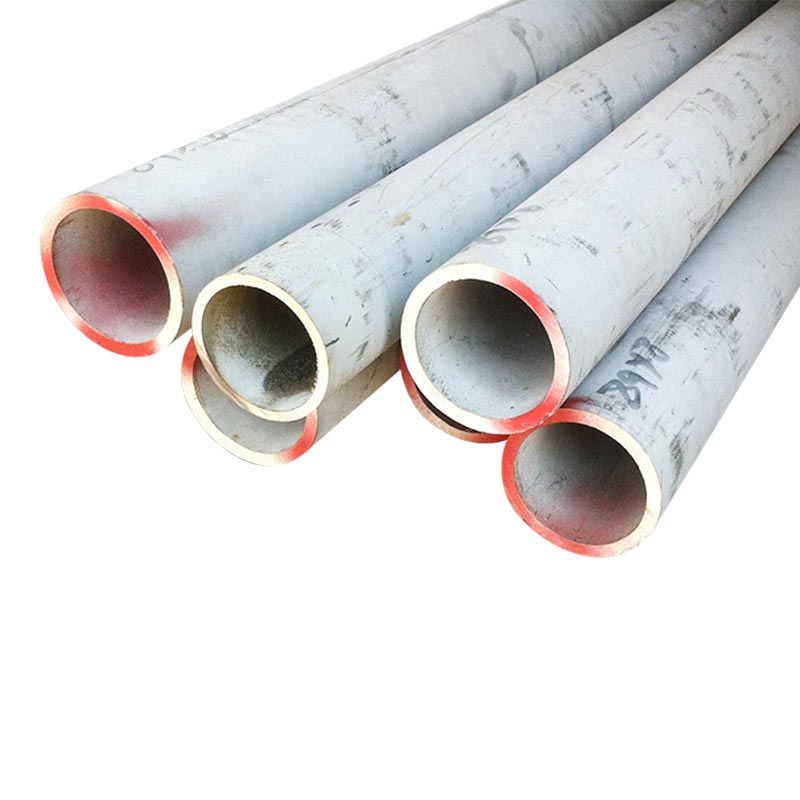
304 stainless steel pipes are widely favored in industrial and civil fields for their excellent corrosion resistance. In comparison, 201 stainless steel pipes have poor anti-corrosion performance and are only suitable for dry indoor environments and low-standard engineering scenarios. They cannot adapt to long-term humid conditions and coastal areas with high salt fog erosion. Therefore, coastal regions such as Guangdong, Fujian and Zhejiang mostly adopt 304 stainless steel pipes for long-term stable use.
Due to the obvious performance gap, 201 stainless steel pipes have lower production costs and market prices. Driven by profit, many unscrupulous merchants counterfeit 304 products with unmarked 201 stainless steel pipes, shoddy goods passed off as qualified products. This deceptive behavior not only disrupts the market order, but also easily causes pipe rust, performance failure and other hidden dangers in later use, affecting project safety and service life.
Since many counterfeit pipes have no official material stamps, it is difficult for ordinary users to distinguish them with naked eyes. The following three simple and efficient identification methods can quickly and accurately tell unmarked 201 and 304 stainless steel pipes apart.
1. Appearance and Water Stain Identification
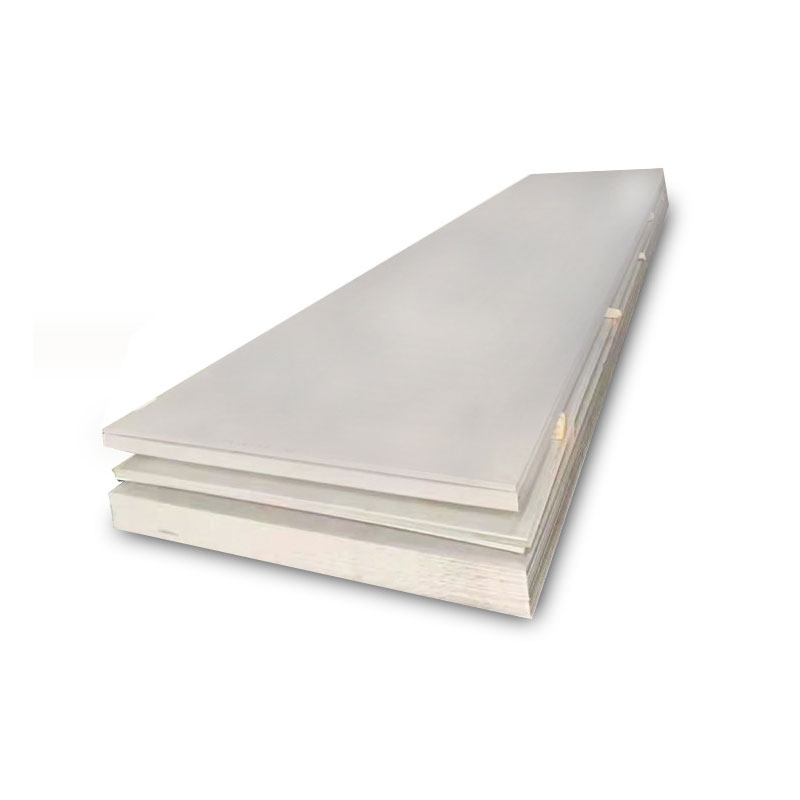
Both types of stainless steel pipes present a matte surface, with subtle but distinguishable differences. 304 stainless steel pipes have uniform and bright surface luster with delicate and smooth touch. In contrast, 201 stainless steel pipes are dark and dull with a rough surface. The water stain test further improves accuracy: after touching the pipe surface with wet hands, water marks and fingerprints on 304 pipes can be wiped off completely with ease, while those on 201 pipes are stubborn and hard to clean.
2. Grinding Spark Comparison
Fix a grinding wheel on a polisher and polish the two pipes gently with consistent force. Obvious differences can be observed from the sparks. 201 stainless steel produces dense, thick and long spark lines during grinding; while 304 stainless steel features stable material properties, generating sparse, thin and short sparks, which forms a clear contrast for rapid identification.
3. Pickling Paste Chemical Test
Apply special stainless steel pickling paste evenly on the surfaces of the two pipes and leave it for 2 minutes. Observe the color change of the coated area: blackening indicates 201 stainless steel pipes, while no color change or slight whitening confirms genuine 304 stainless steel pipes. This method features simple operation and high accuracy.
English Version
304 stainless steel pipes are widely popular thanks to their superior corrosion resistance. In contrast, 201 stainless steel pipes deliver weaker anti-rust performance, which restricts their application to dry environments and low-quality requirement scenarios. They are not applicable to permanently humid spaces and high-salt coastal areas. Hence, 304 stainless steel pipes are the preferred choice for coastal regions including Guangdong, Fujian and Zhejiang.
With lower cost and price, 201 stainless steel pipes are often disguised as 304 products by profit-driven merchants. Such counterfeiting without official steel stamps brings potential risks of pipe corrosion and performance degradation in practical use, seriously affecting engineering quality and service life.
Without standard identification stamps, it is hard to distinguish the two materials intuitively. Here are three practical and reliable methods to identify unmarked 201 and 304 stainless steel pipes efficiently.
1. Visual Inspection and Water Stain Test
Though both pipes have matte surfaces, they differ in luster and texture. 304 stainless steel pipes have bright, uniform luster and a sleek surface. 201 stainless steel pipes look dark and dull with a rough texture. After touching with wet hands, water stains and fingerprints on 304 pipes can be easily erased, whereas marks on 201 pipes are difficult to remove.
2. Grinding Spark Observation
Polish the two pipes gently with a grinder under the same force. 201 stainless steel generates abundant, thick and long sparks, while 304 stainless steel produces fewer, thinner and shorter sparks due to its stable material structure, enabling straightforward differentiation.
3. Pickling Paste Detection
Coat the pipe surface with stainless steel pickling paste and wait for 2 minutes. A blackened coating means the pipe is made of 201 stainless steel; if the coating remains unchanged or turns slightly white, the product is standard 304 stainless steel.
Related News
- What Causes Rough Surface on Galvanized Angle Steel?
- Analysis on the Development and Advantages of Galvanized Angle Steel
- Features of Galvanized Angle Steel
- Titanium-Plated Angle Steel: Production Processes of Hot-Dip & Electro-Galvanized Angle Steel
- What Are the Differences Between Galvanized Angle Steel and Ordinary Angle Steel?
- What Are the Appearance Standards and Application Advantages of Hot-Dip Galvanized Angle Steel?
Leave me a message