News
Origin and Characteristics of 304 Stainless Steel Sheet
Origin and Characteristics of 304 Stainless Steel Sheet
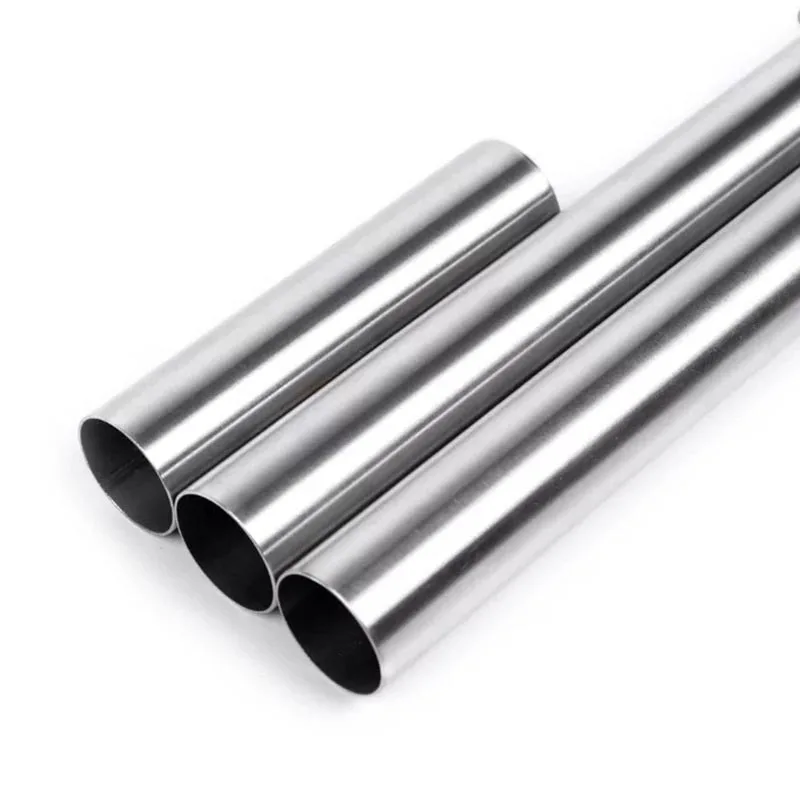
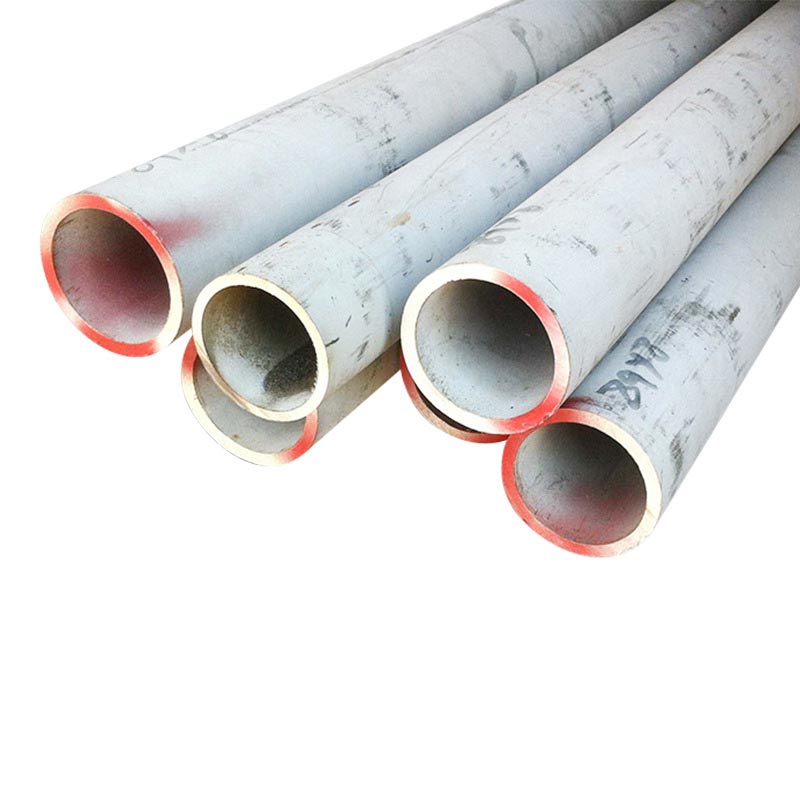
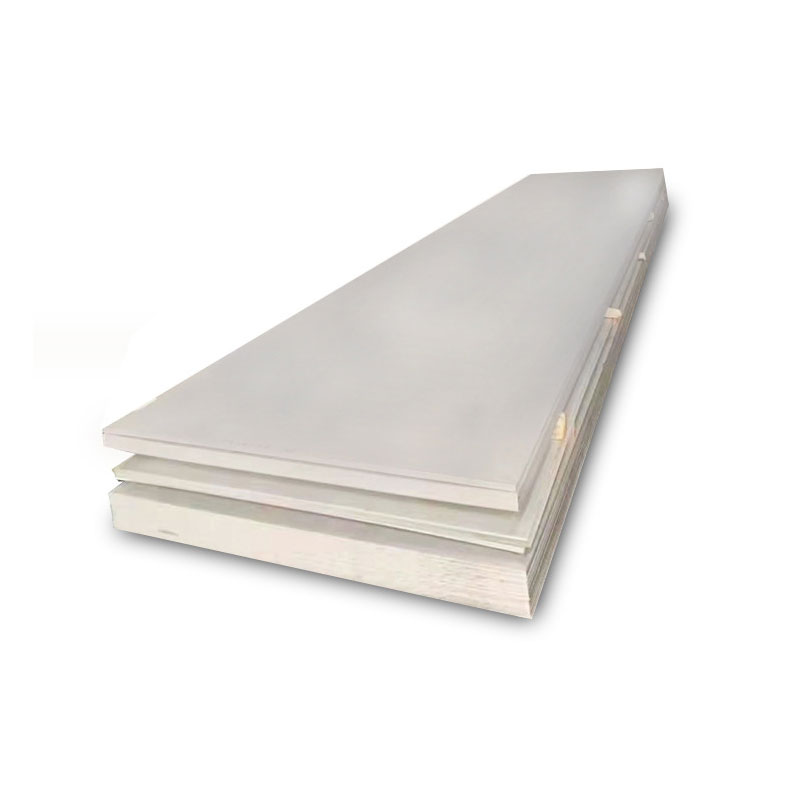
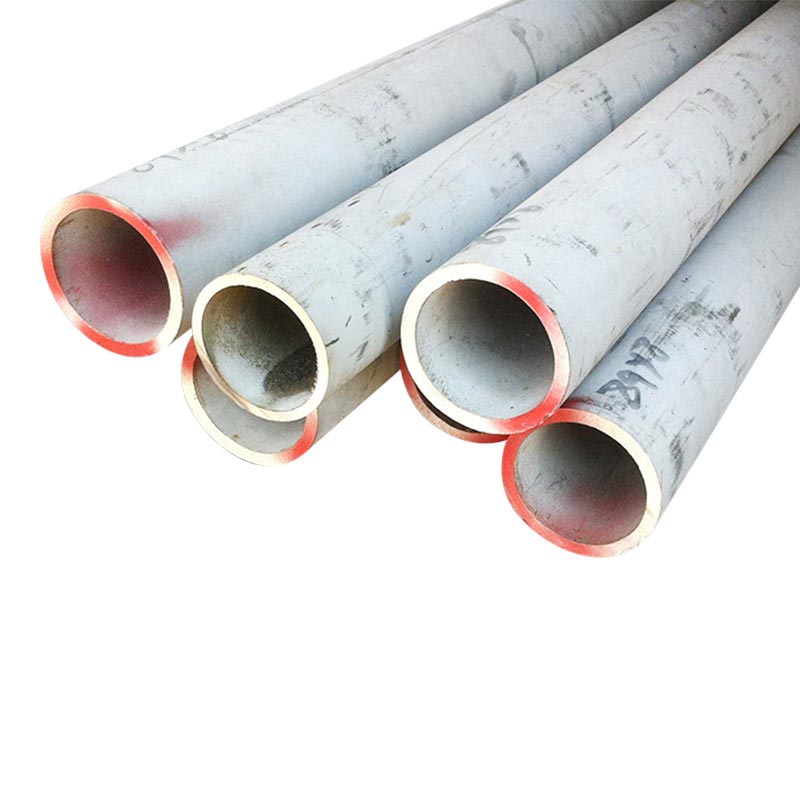
304 stainless steel sheet is one of the most common materials in the stainless steel sheet category and also a top-selling product. It is widely used across various industries and is often referred to as 18/8 stainless steel sheet in the trade. Why is 304 stainless steel sheet so popular? The answer lies in its exceptional properties, such as corrosion resistance, high-temperature resistance, wear and scratch resistance, and strong ductility, which are also evident in everyday applications.
So, what exactly is 304 stainless steel sheet, or how is it defined? In practice, the industry commonly defines it as a stainless steel sheet with a nickel content greater than 8% and a chromium content greater than 18%. This is precisely why such sheets are referred to as 18/8 stainless steel sheets. Currently, three common designations for 304 stainless steel are found in the market: 06Cr19Ni10 (Chinese national standard grade), 304 (American standard), and SUS304 (Japanese standard). All of these share a density of 7.93 g/cm³.
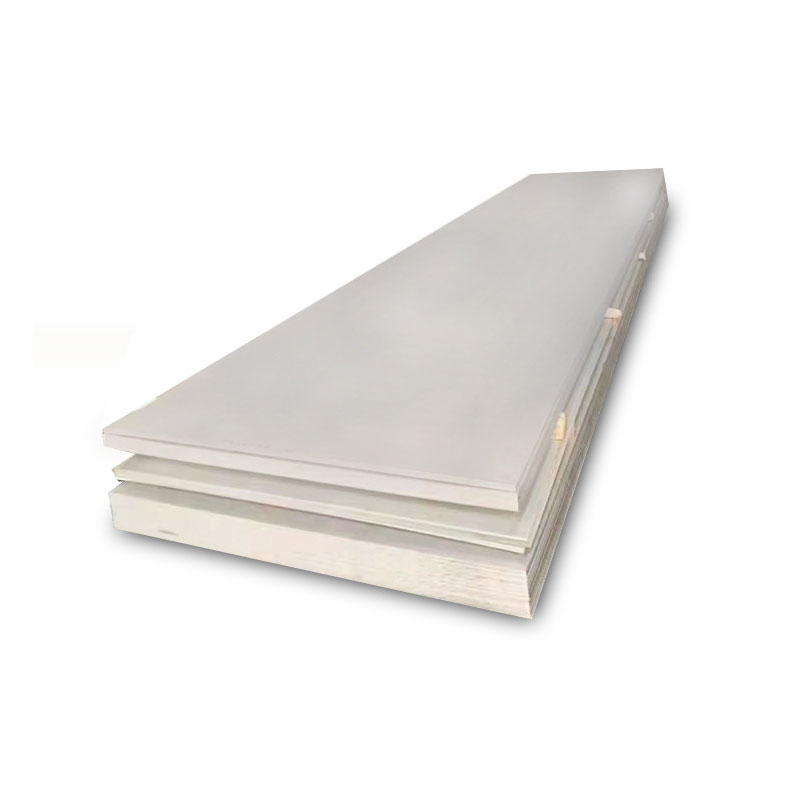
304 stainless steel sheet is a type of austenitic stainless steel sheet, possessing all the characteristics of austenitic stainless steel. Its strong corrosion resistance allows it to be used outdoors. However, in industrial atmospheres or heavily polluted areas, regular cleaning is necessary to prevent corrosion. Additionally, it is suitable for food processing, storage, and transportation, as 304 stainless steel sheet is recognized as a food-grade material. Its excellent workability and mechanical properties make it widely applicable in household appliances, environmental protection machinery, finished products, construction materials, and the chemical industry.
Perhaps the most notable characteristics of 304 stainless steel sheet are its corrosion resistance and non-magnetic properties. Its non-magnetic nature means it does not generate heat on the surface when used in high-voltage electromagnetic environments—a feature not found in other stainless steel materials. Although 304 stainless steel sheet offers strong corrosion resistance, it is not entirely rust-proof. Certain specific conditions, such as exposure to chloride ions like those in salt, seawater, or sea breeze, can lead to rusting. In environments with chloride ions, the protective passivation film on the surface of 304 stainless steel sheet can be compromised. As a friendly reminder, it is advisable to avoid using 304 stainless steel decorative sheets in environments containing chloride ions.
Related News
- What Causes Rough Surface on Galvanized Angle Steel?
- Analysis on the Development and Advantages of Galvanized Angle Steel
- Features of Galvanized Angle Steel
- Titanium-Plated Angle Steel: Production Processes of Hot-Dip & Electro-Galvanized Angle Steel
- What Are the Differences Between Galvanized Angle Steel and Ordinary Angle Steel?
- What Are the Appearance Standards and Application Advantages of Hot-Dip Galvanized Angle Steel?
Leave me a message