News
What Are the Differences Between Galvanized Angle Steel and Ordinary Angle Steel?
What Are the Differences Between Galvanized Angle Steel and Ordinary Angle Steel?
Hot-dip galvanized angle steel, often referred to as galvanized angle steel, obtains superior anti-corrosion performance through the hot-dip galvanizing process and has many prominent advantages. It features a bright surface and uniform zinc coating without skip plating or sagging. The coating boasts strong adhesion and outstanding corrosion resistance. When applied in suburban environments, the galvanized protective layer can serve stably for more than 50 years without maintenance.
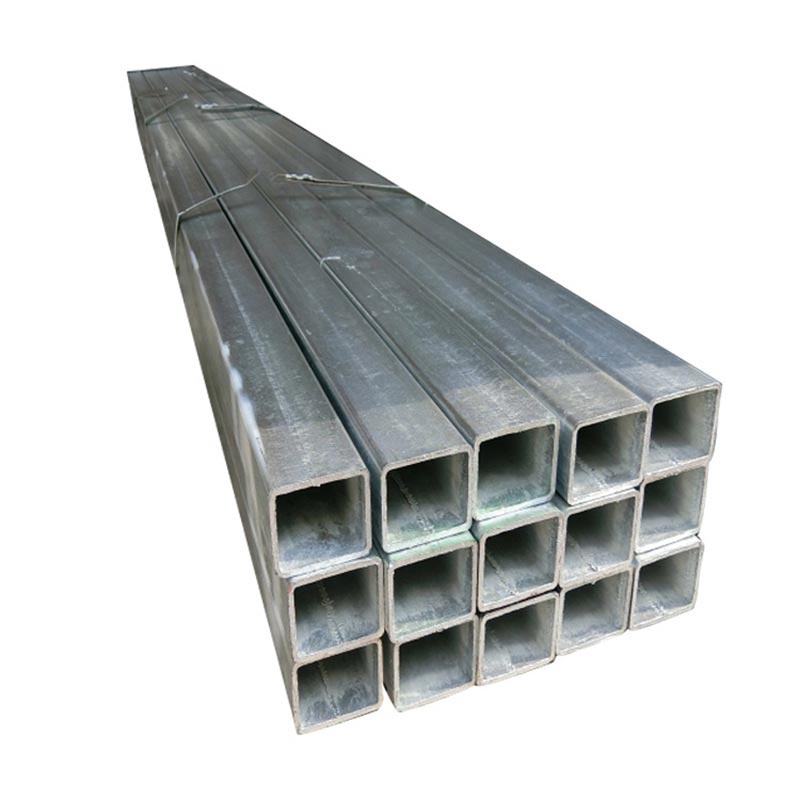
Even in corrosive urban or coastal areas, the protective layer can remain effective for over 20 years. The overall cost of hot-dip galvanizing is lower than that of various anti-corrosion paint coating solutions. The galvanized layer forms a metallurgical bond with the steel substrate and becomes part of the steel surface, delivering reliable coating durability. Hot-dip galvanizing is more efficient than on-site painting. No secondary on-site coating is required after component installation, which greatly saves working hours and labor. The galvanizing process achieves full coverage, providing complete protection for recesses, sharp corners and hidden gaps of profiles without blind spots.
Ordinary angle steel is carbon structural steel, generally hot-rolled without additional galvanized anti-corrosion treatment. Industry standards impose clear restrictions on its surface quality. Finished products shall be free from harmful defects such as scars, delamination and cracks that impair service performance. Standards also control geometric tolerances, including camber, edge width, edge thickness, vertex angle and theoretical weight. Obvious torsion deformation is not allowed. As a basic section steel, ordinary angle steel is widely used for metal components and workshop frames. The material is required to have good weldability, ductility and mechanical strength. It is produced from low-carbon square billets, and finished products are delivered in hot-rolled or normalized states.
Related News
- What Causes Rough Surface on Galvanized Angle Steel?
- Analysis on the Development and Advantages of Galvanized Angle Steel
- Features of Galvanized Angle Steel
- Titanium-Plated Angle Steel: Production Processes of Hot-Dip & Electro-Galvanized Angle Steel
- What Are the Appearance Standards and Application Advantages of Hot-Dip Galvanized Angle Steel?
- Why Do Stainless Steel Angle Irons Suffer from Corrosion?
Leave me a message