News
What Causes Rough Surface on Galvanized Angle Steel?
What Causes Rough Surface on Galvanized Angle Steel?
1. Over-pickling during pre-galvanizing treatment and its effect on the rough surface of galvanized coating on angle steel.
Over-pickling roughens the steel surface or forms pockmarks, which is one of the reasons for rough surface after hot-dip galvanizing of workpieces.
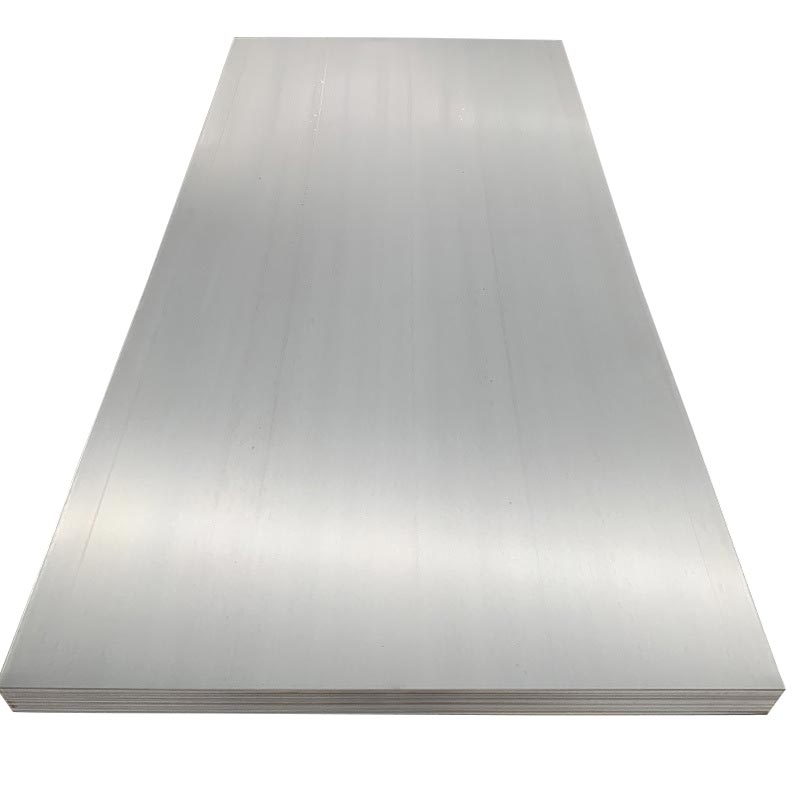
2. Excessively high zinc bath temperature or prolonged dipping time and their impact on the rough coating surface of galvanized angle steel.
When the zinc bath temperature is too high and the dipping time is too long, or affected by the steel composition of angle steel and the Sandelin effect, excessive or uneven Zn-Fe alloy phases will form, resulting in rough surfaces. The thicker the galvanized coating, the rougher the surface tends to appear. Rough surface may also occur if hot-dip galvanized angle steel cools slowly after being lifted from the zinc bath, the steel section is overly thick, or the angle steel is stacked immediately without separation after galvanizing.
3. Influence of the composition and surface condition of the base steel used for angle steel production on the surface roughness of galvanized coating.
In fact, the smoothness and roughness of galvanized coating are relative concepts. Unlike continuous hot-dip galvanizing for steel sheets, steel pipes or steel wires, hot-dip galvanizing for angle steel belongs to batch hot-dip galvanizing process without air knife wiping. If the base steel for angle steel has an inherently rough surface, corrosion pits or obvious rolling marks, the finished galvanized surface will generally not become smoother than the original substrate.
Related News
- Analysis on the Development and Advantages of Galvanized Angle Steel
- Features of Galvanized Angle Steel
- Titanium-Plated Angle Steel: Production Processes of Hot-Dip & Electro-Galvanized Angle Steel
- What Are the Differences Between Galvanized Angle Steel and Ordinary Angle Steel?
- What Are the Appearance Standards and Application Advantages of Hot-Dip Galvanized Angle Steel?
- Why Do Stainless Steel Angle Irons Suffer from Corrosion?
Leave me a message