News
Comparison of Advantages Between 304 Stainless Steel Water Pipes and PPR Pipes
Comparison of Advantages Between 304 Stainless Steel Water Pipes and PPR Pipes
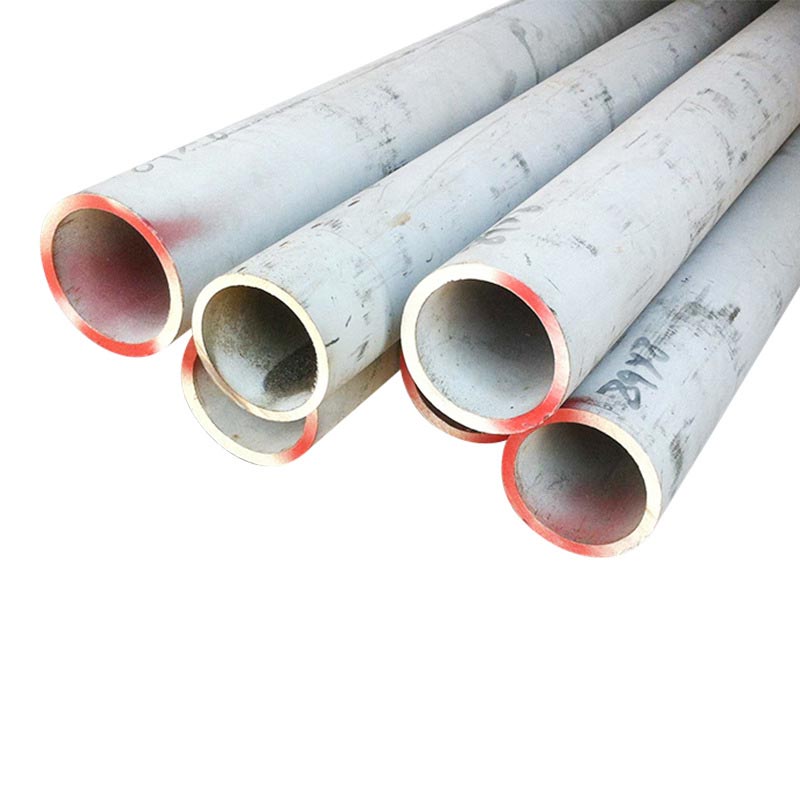
Hello everyone. Today we will compare the advantages of 304 stainless steel water pipes and PPR pipes.
With technological advancement, construction practices have changed greatly. Indoor pipelines are now mostly concealed or installed in pipe shafts, highlighting the importance of pipe material selection. Improper material choice can lead to costly problems later. Good piping should meet criteria: safety and reliability, economy and hygiene, energy saving, and environmental friendliness.
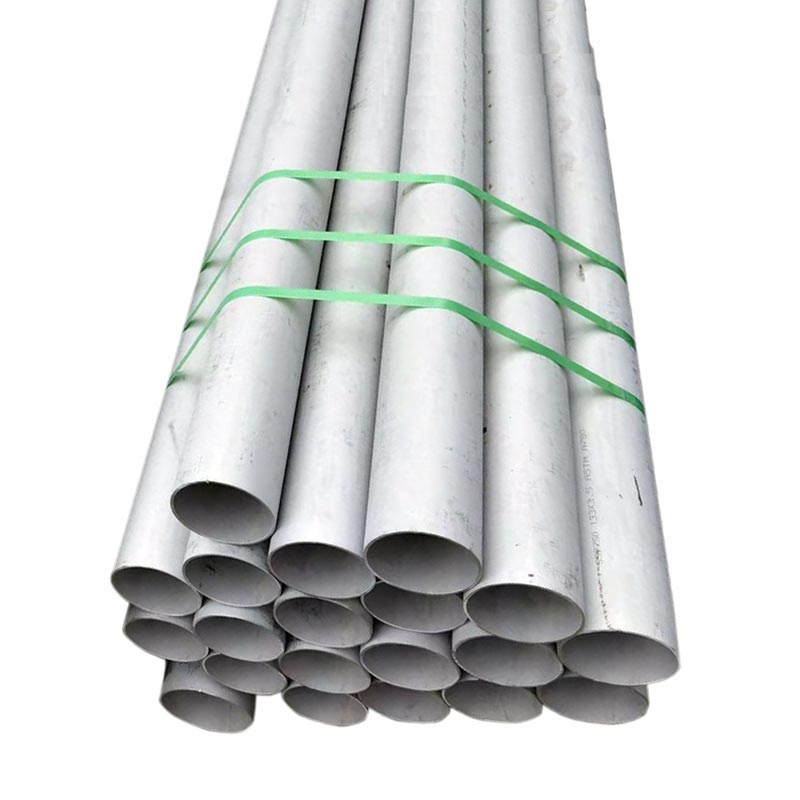
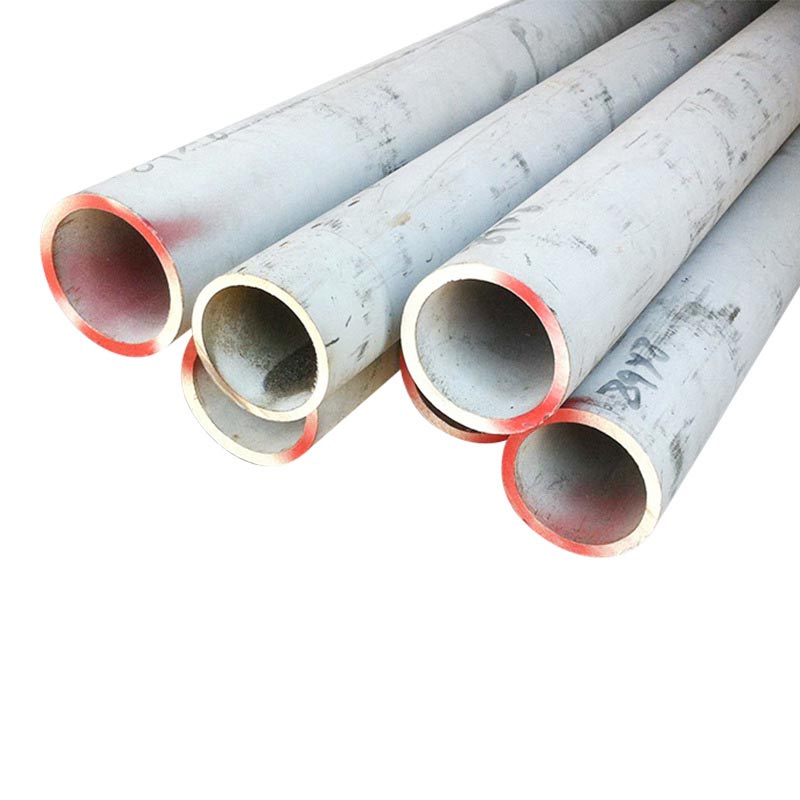
Among various pipes, 304 thin-wall stainless steel water pipes satisfy these standards. Below is a comparison with plastic PPR pipes.
Safety and reliability is critical for water supply pipes. In terms of strength:
Tensile strength of 304 stainless steel pipe: >520 MPa
Tensile strength of PPR plastic pipe: >49 MPa
Data shows stainless steel pipes are 8–10 times stronger than PPR pipes, ensuring sturdiness, impact resistance, and safety.
In terms of thermal expansion coefficient:
Stainless steel pipe: 17.3
PPR pipe: 70
304 stainless steel expands and contracts slowly with temperature changes. PPR’s excessive expansion coefficient makes it unsuitable for high-temperature hot water lines, especially in concealed applications with large temperature fluctuations, where leakage easily occurs. Some may mention composite pipes, which combine metal and plastic advantages. However, mismatched thermal expansion coefficients between metal and plastic can cause delamination and pipe rupture under long-term high temperatures.
304 stainless steel pipes form a chromium-rich oxide film when chromium in the steel reacts with oxidants, enhancing corrosion resistance. A polyethylene coating can also be applied for extra protection in walls.
PPR pipes are made of random copolymer polypropylene and resist acids, alkalis, and salts in cement, offering decent corrosion resistance.
For hygiene and environmental protection:
304 stainless steel is food-grade and biocompatible. Pipes made from it are hygienic, do not breed microorganisms in long-term water contact, and are 100% recyclable without polluting water or the environment, eliminating stagnant water risks.
Plastic pipes have relatively low inner-wall smoothness and density. Water transported above 75°C may develop odors, and plastic is difficult to degrade and recycle.
On the market, copper pipes perform best but are costly. Plastic pipes are cheap but prone to problems. 304 stainless steel pipes are moderately priced, hygienic, and reliable—an excellent choice for healthy water supply.
Article 6: How to Flatten Deformed Stainless Steel Sheets & Daily Cleaning Methods
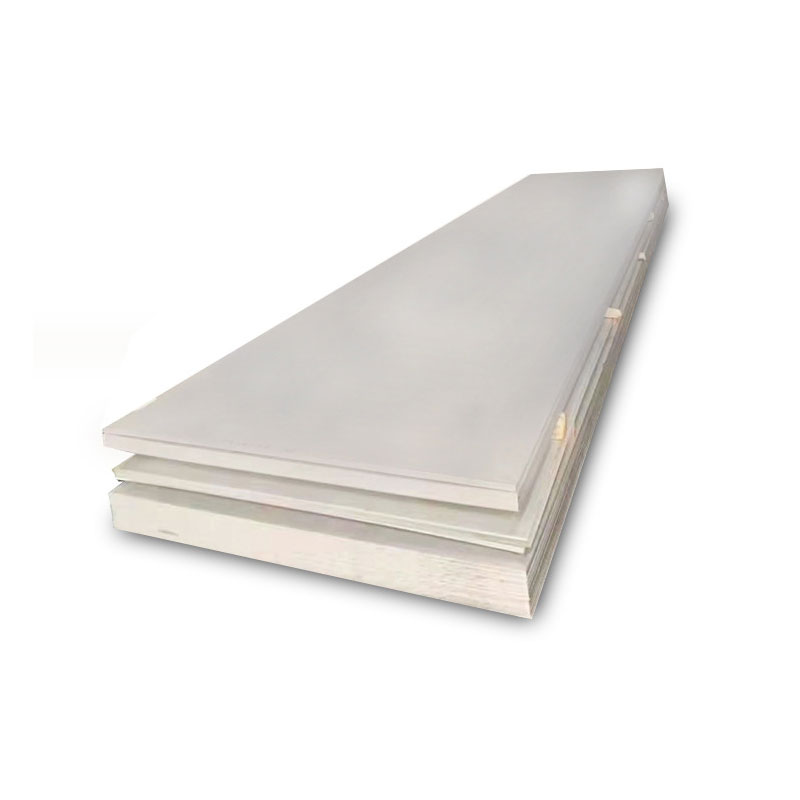
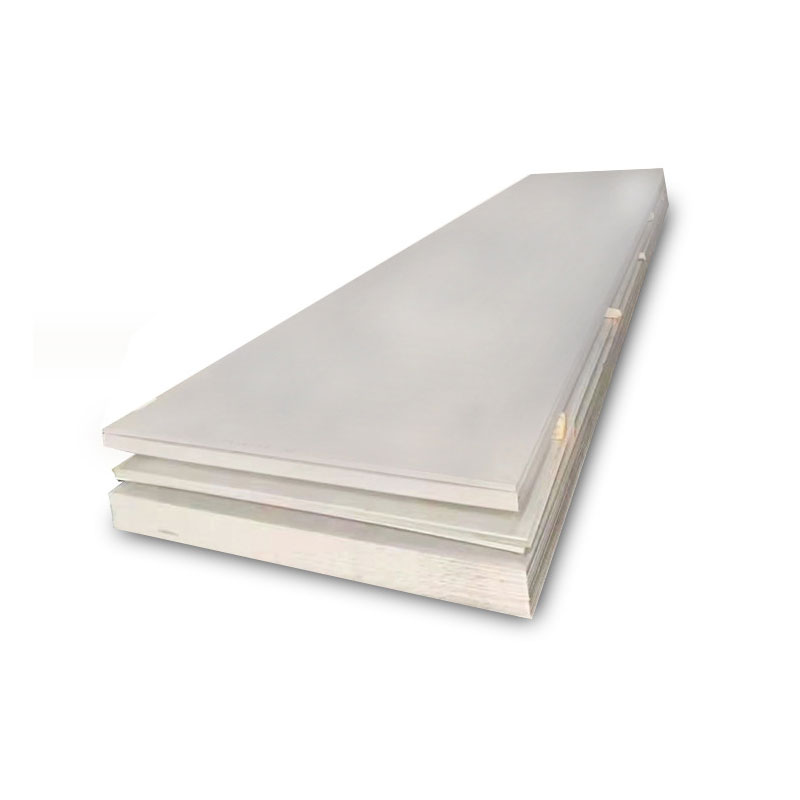
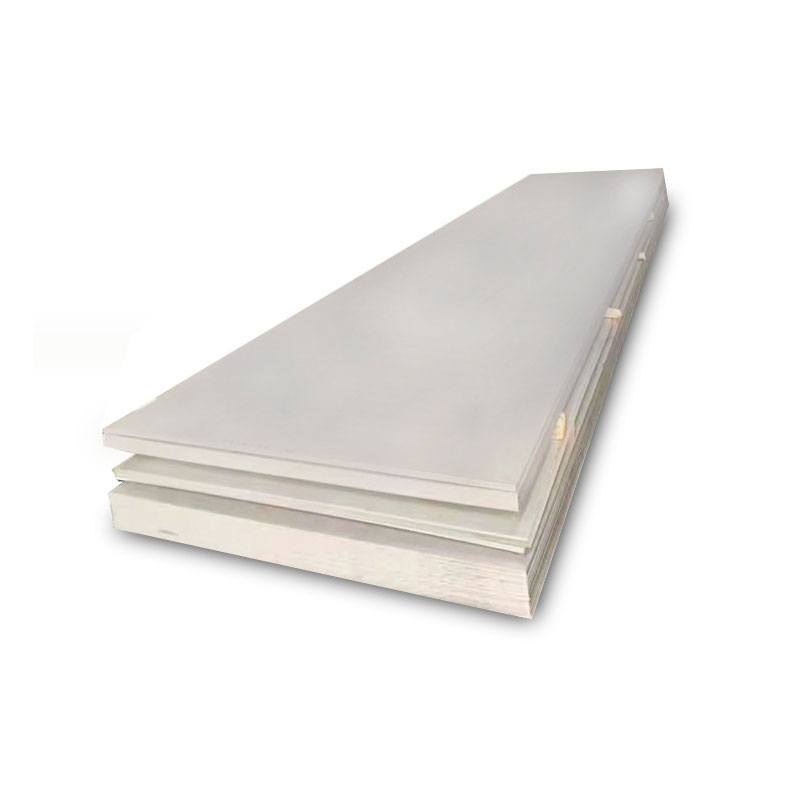
In daily use, stainless steel sheets such as 304 may become deformed, warped, or uneven. Conventional methods like hammering or bending have little effect, as the sheet often springs back after release. Below are effective flattening methods and cleaning tips.
Methods to Flatten Deformed Stainless Steel Sheets
1. Stretching and Hammering
Lay the stainless steel sheet on a flat base and forcefully hammer uneven areas. Stretching and thinning protruding areas will level the sheet. This method is suitable for thin sheets with low elasticity.
2. Heating, Quenching, and Hammering
For thick, highly elastic deformed sheets: Heat the sheet until red-hot, quench it with plenty of cold water, then forge vigorously to restore flatness.
3. Annealing and Pressing
Clamp and compress the stainless steel sheet tightly between flat tools. Heat it thoroughly until red-hot and hold for a period; the entire sheet will regain flatness.
Daily Cleaning Methods for Stainless Steel Sheets
1. Warm Water Cleaning
For surface dust and debris, clean with warm water, soap, or hand soap.
2. Organic Solvent Cleaning
Labels and stickers on stainless steel can be removed with alcohol or organic solvents without damaging the surface.
3. Neutral Detergent Cleaning
For oily surface contaminants, scrub repeatedly with a neutral detergent until clean.
Stainless steel sheets feature excellent fire resistance, heat resistance, and corrosion resistance, supporting a wide range of applications.
Related News
- What Causes Rough Surface on Galvanized Angle Steel?
- Analysis on the Development and Advantages of Galvanized Angle Steel
- Features of Galvanized Angle Steel
- Titanium-Plated Angle Steel: Production Processes of Hot-Dip & Electro-Galvanized Angle Steel
- What Are the Differences Between Galvanized Angle Steel and Ordinary Angle Steel?
- What Are the Appearance Standards and Application Advantages of Hot-Dip Galvanized Angle Steel?
Leave me a message