News
What Is 304 Stainless Steel Sheet? How to Identify It?
What Is 304 Stainless Steel Sheet? How to Identify It?
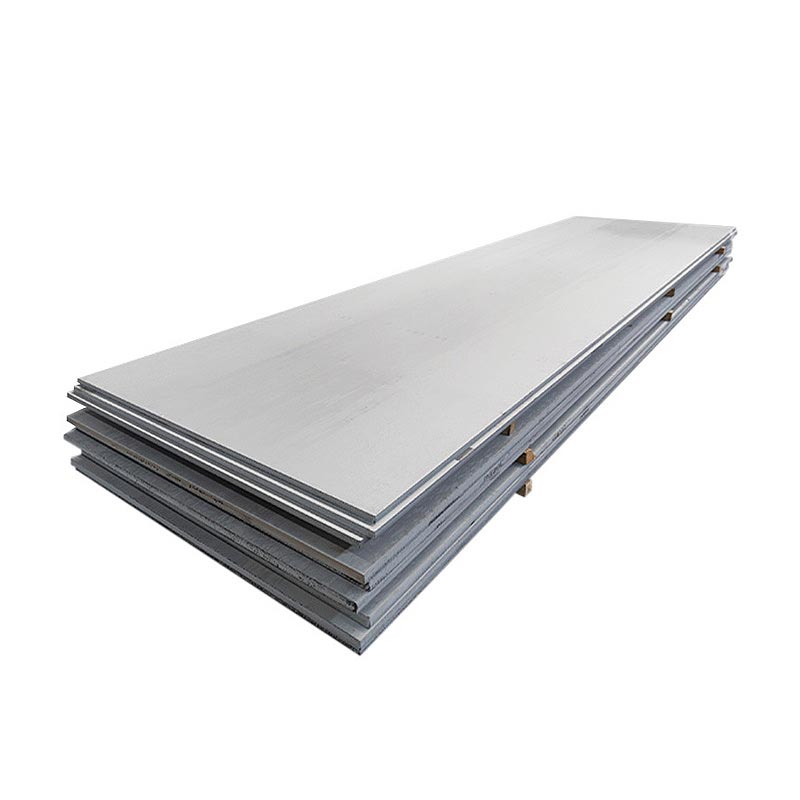
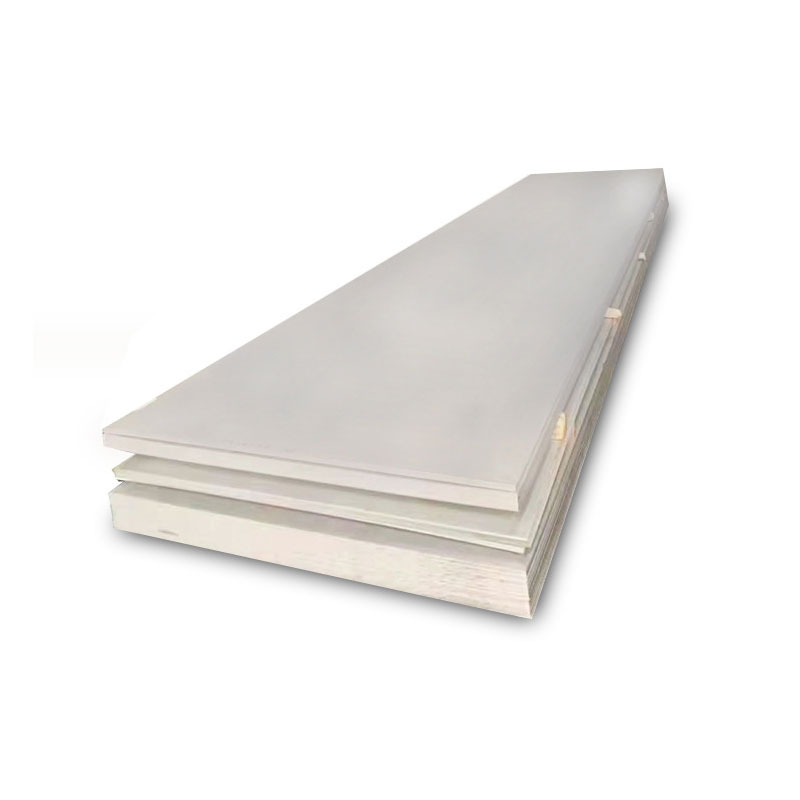
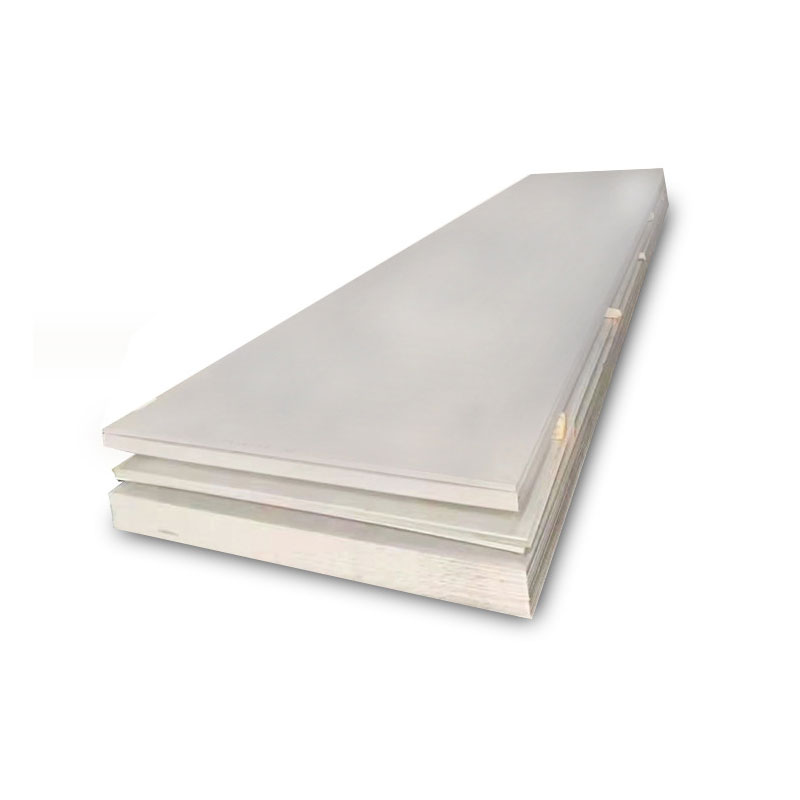
304 stainless steel is a widely used material with good corrosion resistance, heat resistance, cryogenic stability, high compressive strength, and excellent formability such as stamping and bending. Pipes made of 304 stainless steel are extensively applied in residential drinking water and community clean water supply systems.
304 stainless steel belongs to austenitic stainless steel, which resists weak corrosive media such as air, steam, and water or possesses rust resistance. Common thicknesses of 304 stainless steel sheets range from 0.35mm to 65mm.
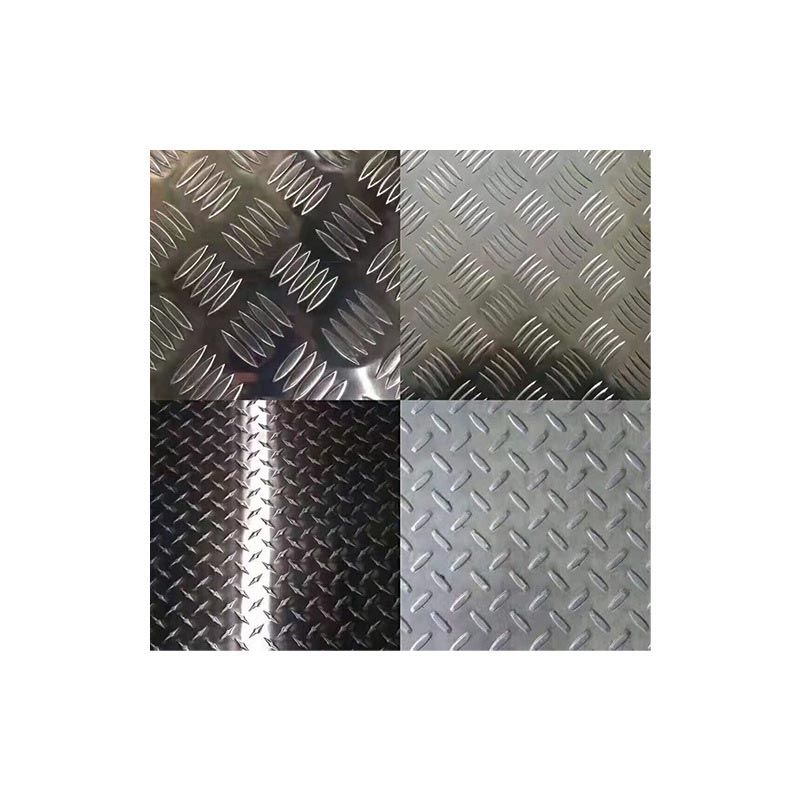
Surface finishes include 8K mirror, 2B finish, brushed (sanding), titanium coating, rice-grain pattern, oil-brushed finish, and BA finish.
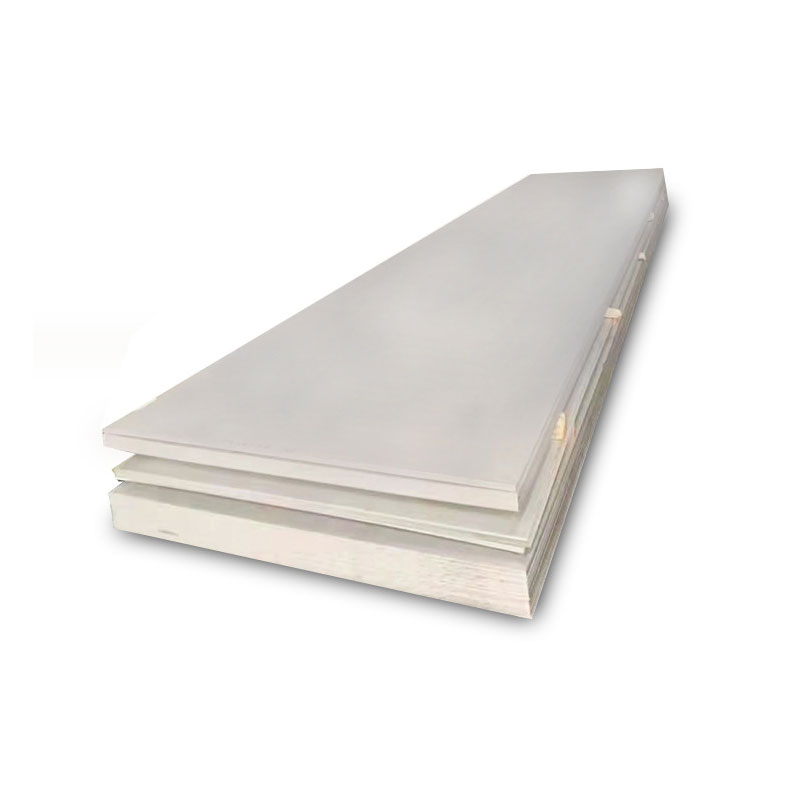
304 stainless steel decorative sheets offer better corrosion and rust resistance than 201 stainless steel decorative sheets. As food-grade stainless steel, it is widely used in kitchenware and other food processing products, especially in humid southern regions or outdoor applications with high-quality requirements.
304 stainless steel decorative sheets deliver strong performance, high quality, and wide application, but at a significantly higher price than 201 material.
There are three common identification methods for 304 stainless steel: chemical test solution, magnetism, and grinding spark test.
Chemical test solution: Ni8 test solution is specially used for 304 stainless steel. High-quality 304 stainless steel turns red when in contact with Ni8 solution, while non-304 stainless steel turns yellow or colorless.
Magnetism: 304 stainless steel is austenitic and is non-magnetic or weakly magnetic. Cold working during processing can transform its structure to martensitic, resulting in slight magnetism.
Grinding spark test: Observe sparks generated when grinding stainless steel on a bench grinder. Streamlined sparks with dense, numerous bursts indicate high-manganese steel or manganese-nitrogen steel. Sparks without bursts indicate chromium steel or chromium-nickel stainless steel.
Overall, the chemical test solution method is the most reliable, while the magnetism method has the lowest accuracy.
Related News
- How to Inspect and Maintain the High Pressure Hoses for Safety?
- How to Distinguish Unmarked 201 and 304 Stainless Steel Pipes?
- Corrosion Resistance Performance of 304 Thin-Walled Stainless Steel Water Pipes
- What Is 304 Stainless Steel Sheet? How to Identify It?
- Analysis of Oxidation Causes of 316L Stainless Steel Sheets
- The Role of Alloying Elements in Stainless Steel Composition
Leave me a message