News
What are the applications of stainless steel?
What are the applications of stainless steel?
Stainless steel is characterized by an attractive appearance, diverse usability, excellent corrosion resistance, greater durability than ordinary steel, ease of cleaning, and a high-gloss finish. As a result, the application areas of stainless steel are exceptionally broad.
Architectural Decoration:
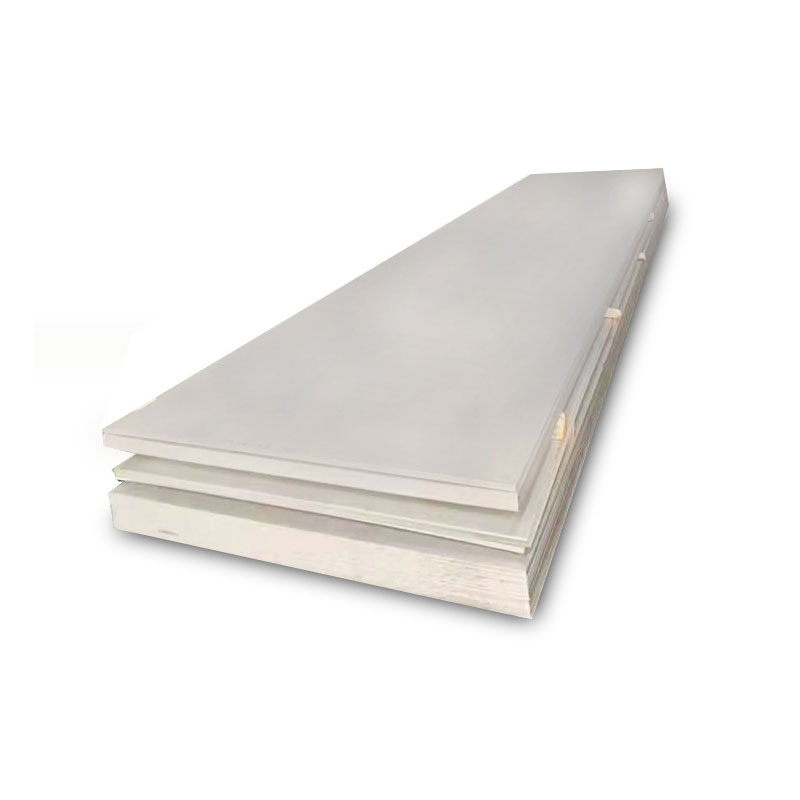
The most commonly used stainless steel grades in the construction field are 304 and 316, along with their low-carbon variants 304L and 316L. Due to its corrosion resistance and aesthetic appeal, stainless steel is often chosen for the exterior walls of high-rise buildings, offering a lifespan that can extend for centuries. Meanwhile, kitchens and bathrooms, being consistently damp environments, require materials that are hygienic and easy to clean. Naturally, stainless steel becomes the ideal choice.
Water Industry:
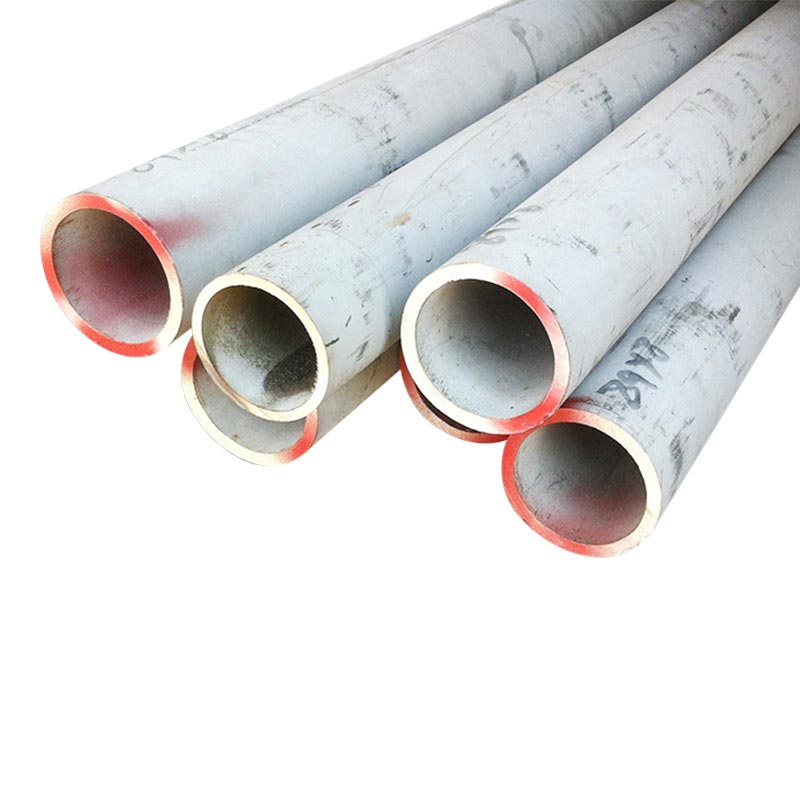
Materials used for water transportation, storage, and purification must meet stringent requirements. Stainless steel, being environmentally friendly and corrosion-resistant, effectively prevents water contamination during transport and significantly reduces leakage rates. Currently, national policies actively support the development of stainless steel water pipes to ensure public water safety.
Automotive Industry:
Compared to traditional steel, stainless steel offers not only high strength but also excellent toughness, formability, and weldability. Consequently, stainless steel is widely used in automotive frames, enhancing crash resistance, reducing weight, improving safety and reliability, and extending vehicle lifespan. Fuel tanks made from stainless steel eliminate the risk of fuel leakage, provide outstanding corrosion resistance and good formability, and can reduce or even simplify the painting process.
Related News
- How to Inspect and Maintain the High Pressure Hoses for Safety?
- How to Distinguish Unmarked 201 and 304 Stainless Steel Pipes?
- Corrosion Resistance Performance of 304 Thin-Walled Stainless Steel Water Pipes
- What Is 304 Stainless Steel Sheet? How to Identify It?
- What Is 304 Stainless Steel Sheet? How to Identify It?
- Analysis of Oxidation Causes of 316L Stainless Steel Sheets
Leave me a message