News
How to Inspect and Maintain the High Pressure Hoses for Safety?
High-pressure hoses are vulnerable safety components of drilling and jet grouting rigs, bearing ultra-high fluid pressure for a long time. Aging, wear, cracking and leakage of hoses will cause pipeline burst, slurry spraying and safety accidents, threatening on-site construction safety. Regular standardized inspection and maintenance are essential to ensure the safe operation of high-pressure hose systems.
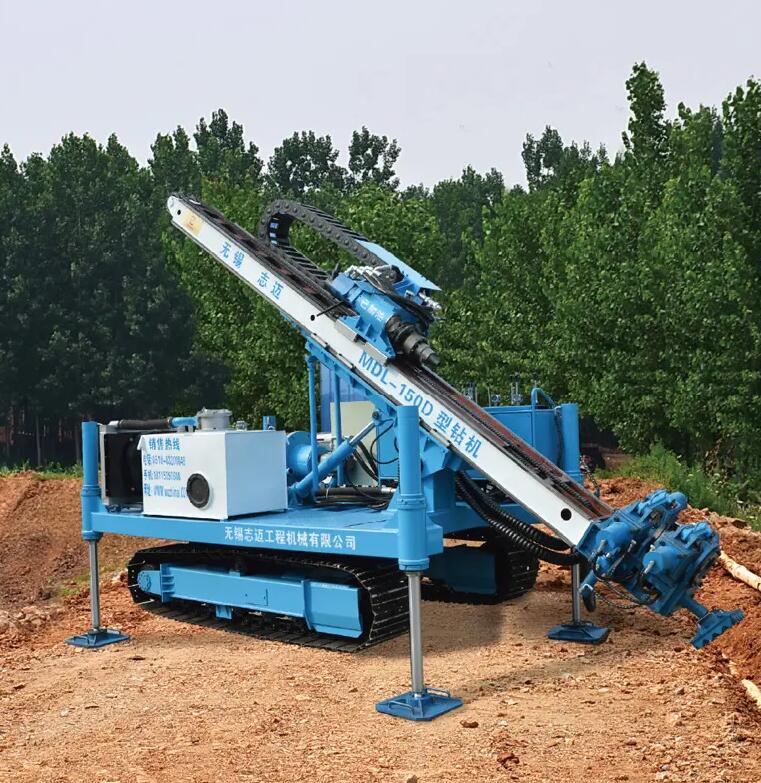
Daily visual inspection is the basic link. Operators need to check the hose surface for cracks, bulges, abrasion and oil leakage before each shift. Focus on bending parts, joint connections and friction contact areas with equipment, where fatigue damage is most likely to occur. Check whether the hose joints are loose, whether the sealing sleeves are aging and failed, and confirm that the hose layout is free of excessive bending, stretching and extrusion to avoid structural damage.
Regular professional maintenance includes pressure testing and timing replacement. Conduct regular static pressure testing on high-pressure hoses according to industry standards to verify pressure resistance and fatigue performance, and eliminate hoses with potential burst risks. Keep the hose surface clean to prevent slurry, chemical corrosion and sharp object scratching. Avoid long-term high-temperature baking and sun exposure to delay rubber aging. Strictly implement the timing replacement system, replace hoses that reach the service life in time, and standardize hose storage and use management to fundamentally prevent high-pressure hose safety accidents.
Related News
- How to Distinguish Unmarked 201 and 304 Stainless Steel Pipes?
- Corrosion Resistance Performance of 304 Thin-Walled Stainless Steel Water Pipes
- What Is 304 Stainless Steel Sheet? How to Identify It?
- What Is 304 Stainless Steel Sheet? How to Identify It?
- Analysis of Oxidation Causes of 316L Stainless Steel Sheets
- The Role of Alloying Elements in Stainless Steel Composition
Leave me a message