News
Introduction to 316 Stainless Steel Sheet
Introduction to 316 Stainless Steel Sheet
The most commonly used stainless steel grades in daily applications are 304 and 316 stainless steel. The primary chemical difference between the two is that 316 contains molybdenum. It is widely accepted that 316 stainless steel offers better corrosion resistance and performs better in high-temperature environments compared to 304. Therefore, in high-temperature operating environments, components made from 316 stainless steel are often used.
However, there are exceptions. In concentrated sulfuric acid environments, 316 stainless steel should not be used, even at elevated temperatures. Otherwise, significant issues may arise. Those who have studied mechanical engineering are familiar with threads and may recall a black solid lubricant used to prevent thread seizure in high-temperature conditions—molybdenum disulfide (MoS₂). Two key points can be concluded from this: first, molybdenum is indeed a high-temperature-resistant substance, such as the molybdenum crucible used for melting gold; second, molybdenum readily reacts with high-valence sulfur ions to form sulfides. Therefore, no stainless steel is absolutely resistant to all forms of corrosion. Ultimately, stainless steel is a type of alloy steel with impurities. Although it is more corrosion-resistant than ordinary steel, it can still react with other substances.
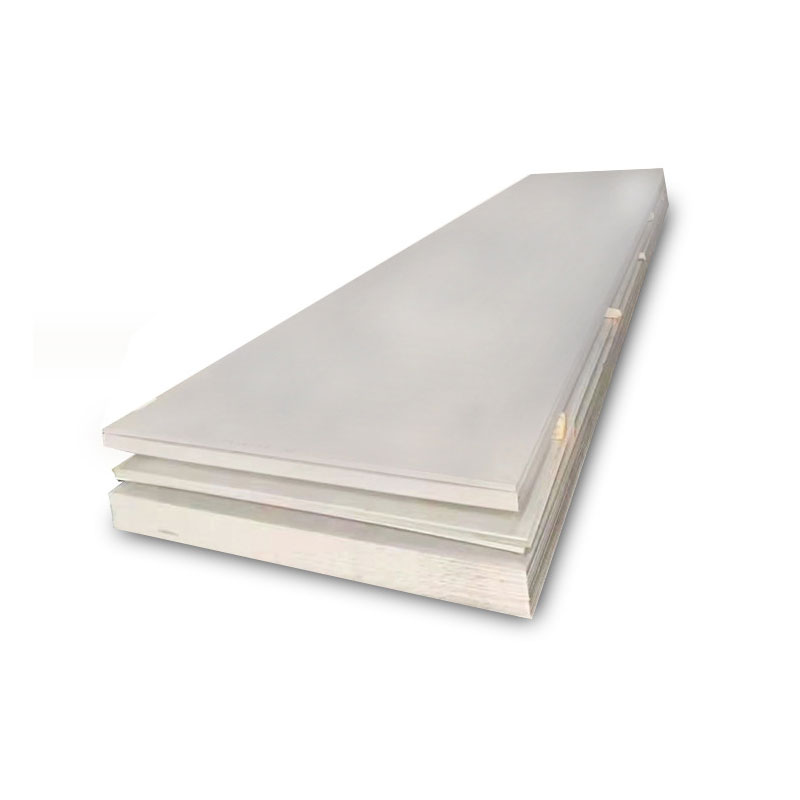
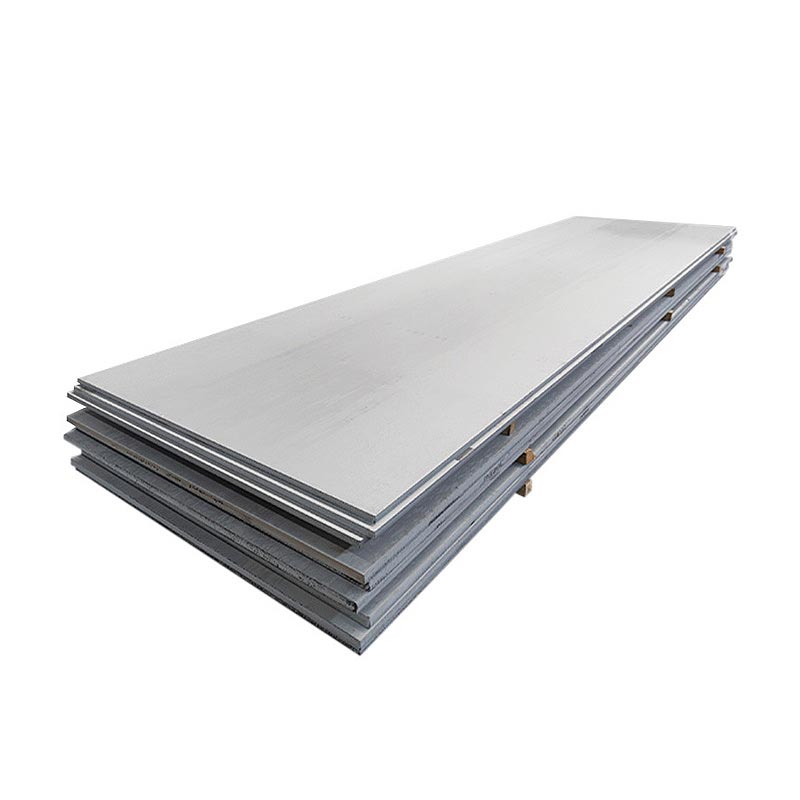
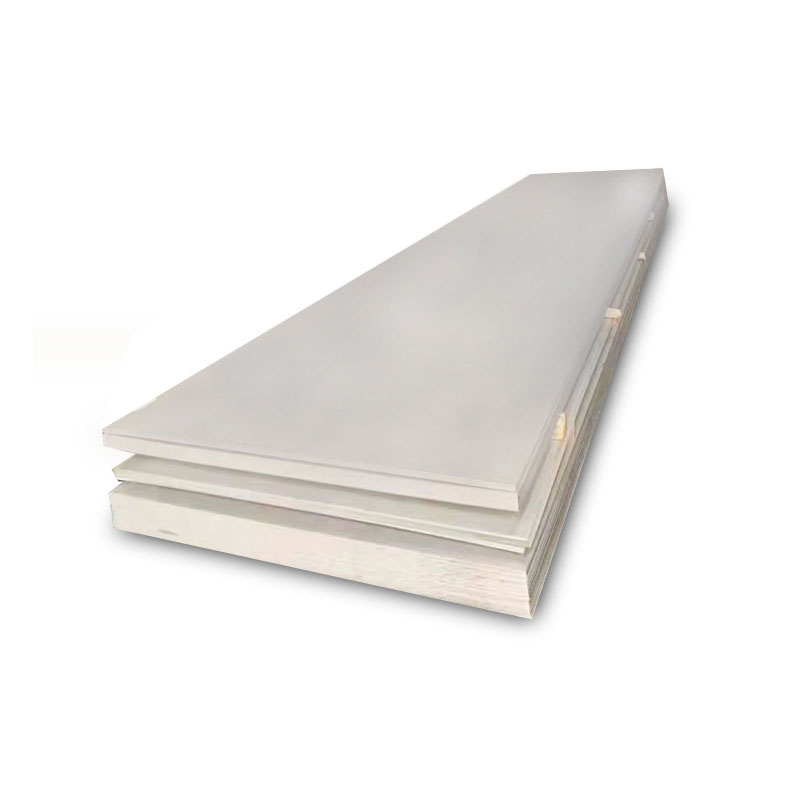
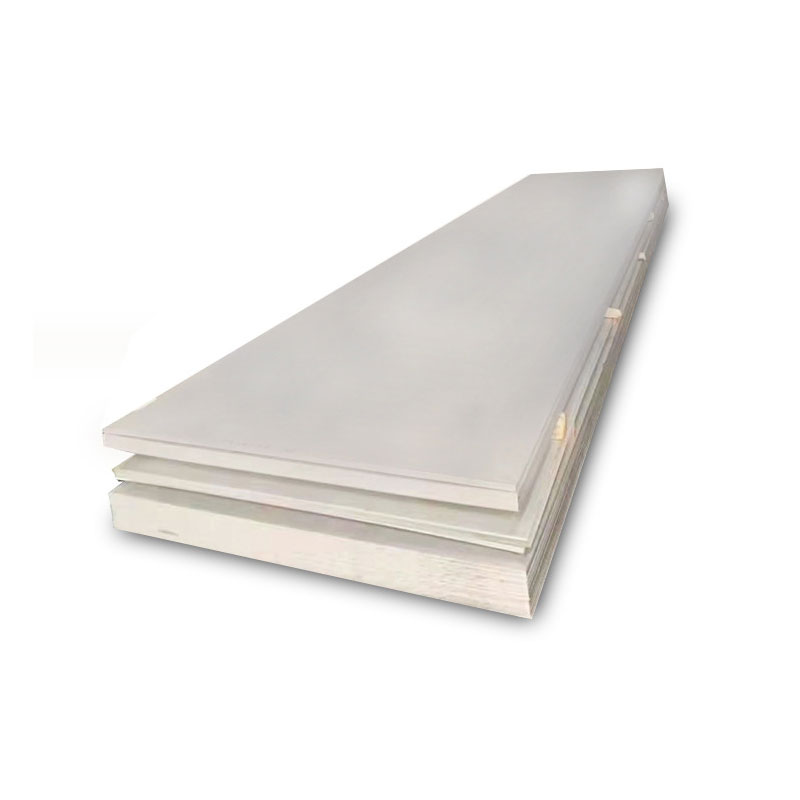
There are many varieties of 316 stainless steel sheets, mainly categorized as polished stainless steel sheets, bright stainless steel sheets, precision stainless steel sheets, 6K finish stainless steel sheets, BA finish stainless steel sheets, 2B finish stainless steel sheets, 8K finish stainless steel sheets, mirror finish stainless steel sheets, ultra-thin stainless steel sheets, medium-thick stainless steel sheets, thick stainless steel sheets, and extra-thick stainless steel sheets.
Thickness classifications of 316 stainless steel sheets include thin sheets (0.2mm-4mm), medium plates (3mm-30mm), thick plates (4mm-60mm), and extra-thick plates (60-115mm).
With economic development, the use of 316 stainless steel sheets is becoming increasingly widespread. Stainless steel is closely related to daily life, yet many people have limited understanding of its properties and know little about the maintenance and care of 316 stainless steel sheets. Those unfamiliar with it may believe that stainless steel never rusts. In fact, stainless steel merely has good corrosion resistance because a passivation layer forms on its surface, which exists in nature as a more stable oxide. This means that although the degree of oxidation varies depending on the conditions of use, stainless steel is ultimately oxidized—a phenomenon commonly referred to as corrosion. When exposed to corrosive environments, the entire surface of the metal undergoes electrochemical or chemical reactions, resulting in uniform corrosion.
In the passivation layer on the surface of a 316 stainless steel sheet, areas with weaker corrosion resistance can also undergo pitting reactions due to self-excited reactions, forming small pores. When chloride ions approach, highly corrosive solutions are generated, accelerating the corrosion rate. Additionally, intergranular corrosion cracking within the stainless steel can damage the passivation layer on its surface. Therefore, regular cleaning and maintenance of the stainless steel surface are essential to preserve the beauty of the 316 stainless steel sheet and extend its service life.
Related News
- What Causes Rough Surface on Galvanized Angle Steel?
- Analysis on the Development and Advantages of Galvanized Angle Steel
- Features of Galvanized Angle Steel
- Titanium-Plated Angle Steel: Production Processes of Hot-Dip & Electro-Galvanized Angle Steel
- What Are the Differences Between Galvanized Angle Steel and Ordinary Angle Steel?
- What Are the Appearance Standards and Application Advantages of Hot-Dip Galvanized Angle Steel?
Leave me a message