News
What type of stainless steel is commonly used in elevator manufacturing?
What type of stainless steel is commonly used in elevator manufacturing?
Stainless steel is primarily used in elevators for various components such as cabin decoration, ceilings, cabin and hall doors, door frames, floor indicators, control panels, and handrails. In escalators, it is used for skirt panels, inner and outer cover plates, steps, entrance/exit cover plates, and decorative cladding.
Among these, 304 stainless steel is the most widely used, while 316 stainless steel is mainly employed in coastal areas, highly corrosive environments, and heavy-duty escalators. 430 stainless steel is commonly used for steps, and 443 stainless steel can partially replace 304 stainless steel under specific conditions. The stainless steel grades used for elevators include:
Conventional 300-series austenitic stainless steel grades: 06Cr19Ni10 (S30408, 304), 022Cr19Ni10 (S30403, 304L), 022Cr17Ni12Mo2 (S31603, 316L).
400-series ferritic stainless steel grades: 10Cr17 (S11710, 430), 022Cr17NbTi (S11763, 439), 022Cr18Ti (S11863, 439), 019Cr21CuTi (S12182, SUS443J1).
Additional high-strength nitrogen-containing austenitic QN-series stainless steel grades: 12Cr17Mn7Ni2Cu2N (QN1701), 08Cr19Mn6Ni3Cu2N (QN1803), 05Cr19Mn6Ni4Cu2N (QN1804), 05Cr19Ni6Mn4MoCu2N (QN1906).
Typically, stainless steel with a thickness of 0.8 mm is used in elevators. Estimating for a 10-story building, the demand for stainless steel in elevators of three standard sizes in China ranges approximately from 249 kg to 345 kg.
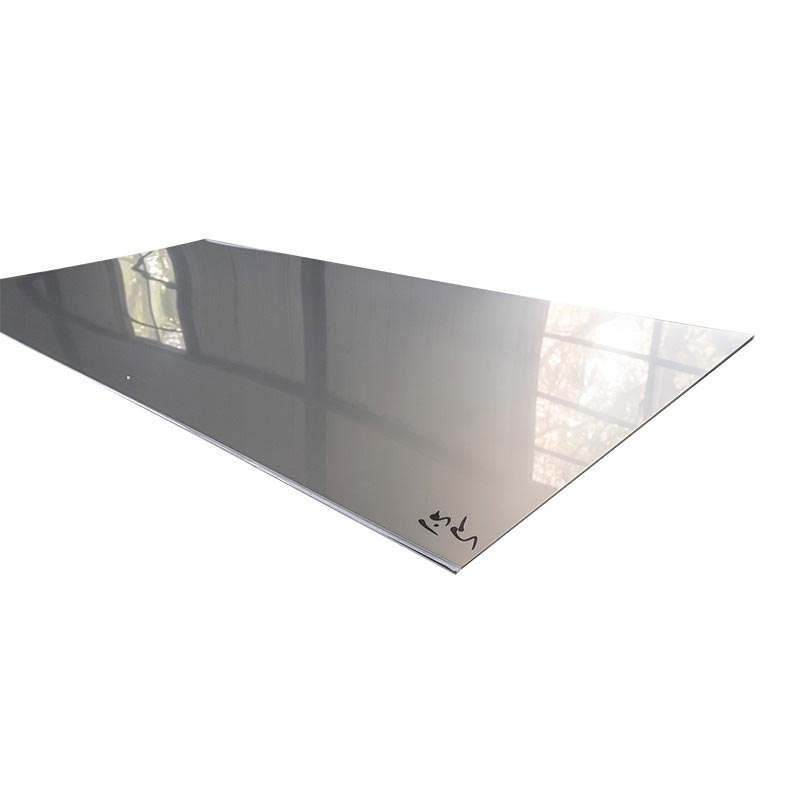
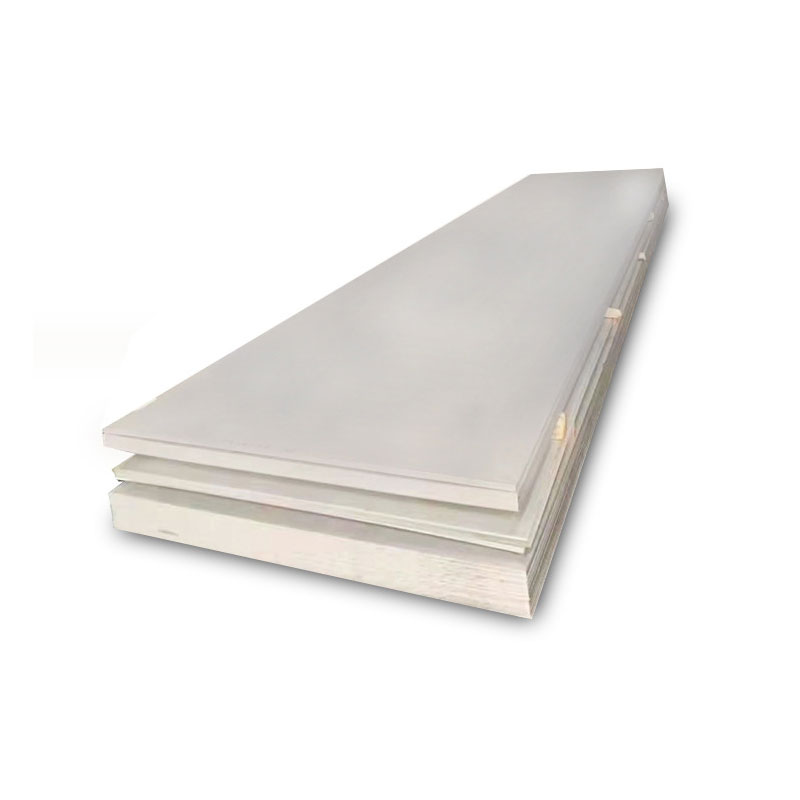
Additionally, after processing, stainless steel sheets exhibit a smooth surface with a moderate shine, presenting a silver-gray metallic luster. To enrich the decorative role of stainless steel and achieve an aesthetically pleasing effect, surface treatments are applied. These processes include brushing, mirror polishing, and coloring.
Currently, these techniques are used in elevator hall doors, ceilings, and cabin panels, providing diverse decorative effects and imparting a sense of elegance and luxury.
Stainless steel used in elevators has relatively high quality requirements, mainly reflected in the following three aspects:
First, the sheet must be flat, typically requiring no warping or belly waves, with edge waves controlled within 1 mm.
Second, dimensional accuracy is generally required to be within 1 mm, as exceeding this tolerance can affect sheet metal processing or assembly.
Third, surface requirements are strict, with defects such as irregular grain patterns, color differences, scratches, and indentations not permitted.
Related News
- What Causes Rough Surface on Galvanized Angle Steel?
- Analysis on the Development and Advantages of Galvanized Angle Steel
- Features of Galvanized Angle Steel
- Titanium-Plated Angle Steel: Production Processes of Hot-Dip & Electro-Galvanized Angle Steel
- What Are the Differences Between Galvanized Angle Steel and Ordinary Angle Steel?
- What Are the Appearance Standards and Application Advantages of Hot-Dip Galvanized Angle Steel?
Leave me a message