Differences Between 201 Stainless Steel and 202 Stainless Steel
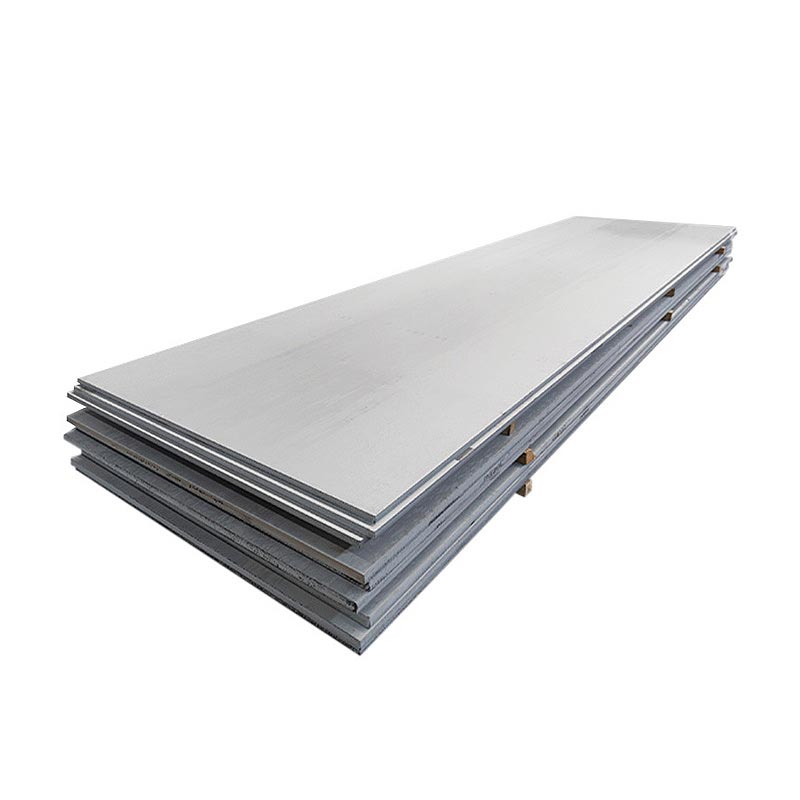
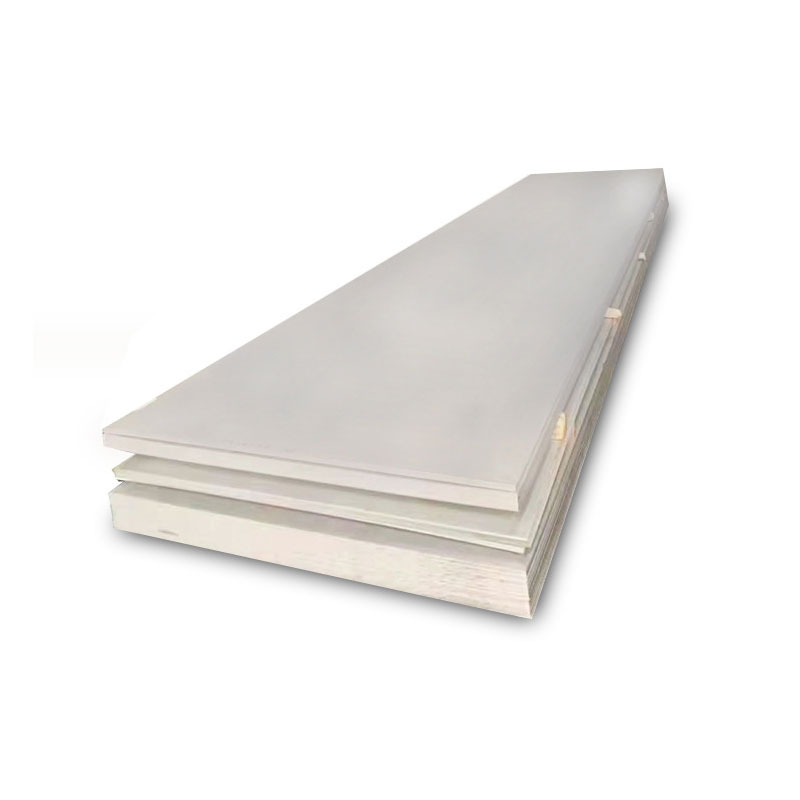
Firstly, both 201 stainless steel and 202 stainless steel are widely used in architectural decoration. Their differences are as follows:
The composition of 202 stainless steel and 201 stainless steel differs, leading to significant variations in their corrosion resistance.
202 stainless steel is primarily used for architectural decoration, such as in hotel facilities, glass handrails, and public installations.
201 stainless steel offers resistance to acids and alkalis, along with high density and a pinhole-free structure, making it suitable for producing various watch cases and watchbands.
In the stainless steel industry, "201" refers to a specific material. 201 stainless steel is a general term for both 201 stainless steel and acid-resistant steel. Specifically, 201 stainless steel resists corrosion from weak media such as air, steam, and water, while acid-resistant steel resists corrosion from chemically aggressive media like acids, alkalis, and salts. Its national standard grade is 1Cr17Mn6Ni5N. In 201 stainless steel, elements like manganese (and nitrogen) partially or fully replace nickel, potentially resulting in lower nickel content and the formation of a ferritic structure.
202 stainless steel belongs to the 200 series of stainless steels, with the national standard grade 1Cr18Mn8Ni5N. The 200 series stainless steels are low-nickel, high-manganese types, with nickel content below 5% and manganese content around 8%, making them nickel-saving stainless steels. "202" is the American standard designation, serving as an alternative to 1Cr18Ni9. Austenitic stainless steels, like 202, are characterized by high phase transition temperatures, making them suitable as heat-resistant steels. For phase transformation to occur in austenitic stainless steel, heating above 1000°C is required. At 350°C, no changes in the metallographic structure occur, meaning the fundamental properties of the steel remain unchanged. Minor expansion due to heating is negligible under normal conditions. This property gives 202 stainless steel excellent high-temperature resistance, making it widely used in architectural decoration, municipal engineering, highway guardrails, hotel facilities, shopping malls, glass handrails, and public installations. It is produced using high-precision automated pipe-making equipment, featuring self-fusion welding and roll-forming processes. Without any metal filler, gas protection is applied during welding (both inside and outside the pipe) using TIG (Tungsten Inert Gas) welding technology, followed by online solid solution eddy current testing.
We use cookies to offer you a better browsing experience, analyze site traffic and personalize content. By using this site, you agree to our use of cookies. Privacy Policy