News
The difference between stainless steel original plates and cut-to-length plates
The difference between stainless steel original plates and cut-to-length plates
The difference between an original flat panel and an open flat panel
In colloquial terms, the original flat plate and the cut-to-length flat plate should be referred to as: single-rolled steel plate and shear-cut steel plate (or continuous-rolled steel plate) (actually, this is not entirely accurate, as many single-rolled steel plates are of double or triple length and can also be shear-cut).
Stainless steel plates come out of the steel mill in rolls, and the flat plates that are flattened by machines are called flattened plates, just like pulling out a whole roll of toilet paper. The flattened plates have a high degree of internal stress, resulting in poor dimensional stability. Depending on the process parameters during the flattening operation, the distribution of internal stress varies, leading to differences in load-bearing capacity in different directions along the vertical length. Moreover, this load-bearing capacity is difficult to measure using common strength indicators. Therefore, flattened plates undergo significant welding deformation during welding, making it difficult to adjust. Therefore, components with high requirements for appearance quality cannot use flattened plates. The flattened plates are originally steel strips when they leave the steel mill and can be rolled into steel plates of a certain thickness and width according to user requirements.
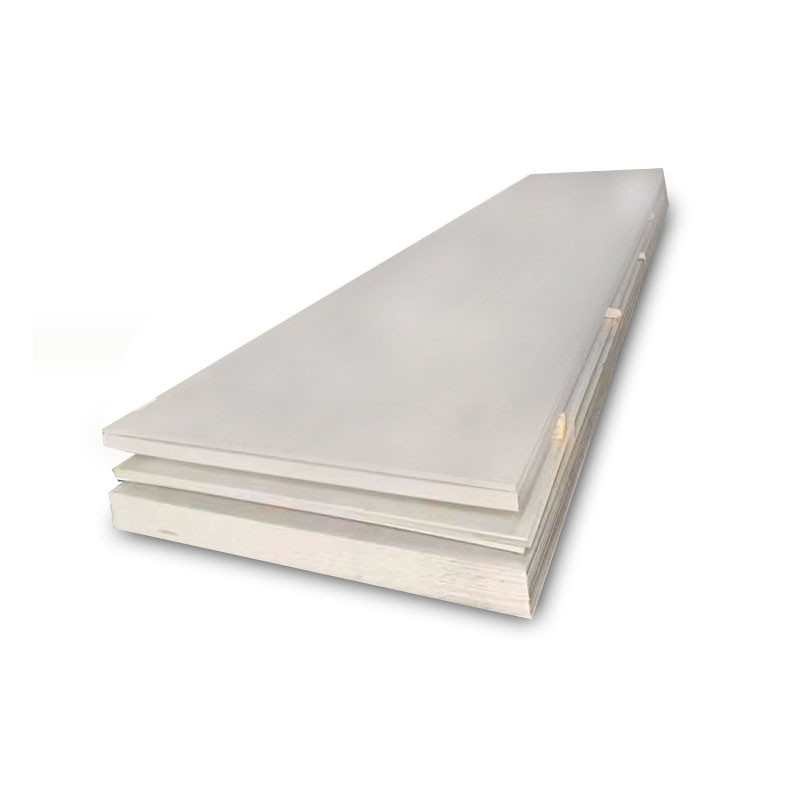
Original tablet
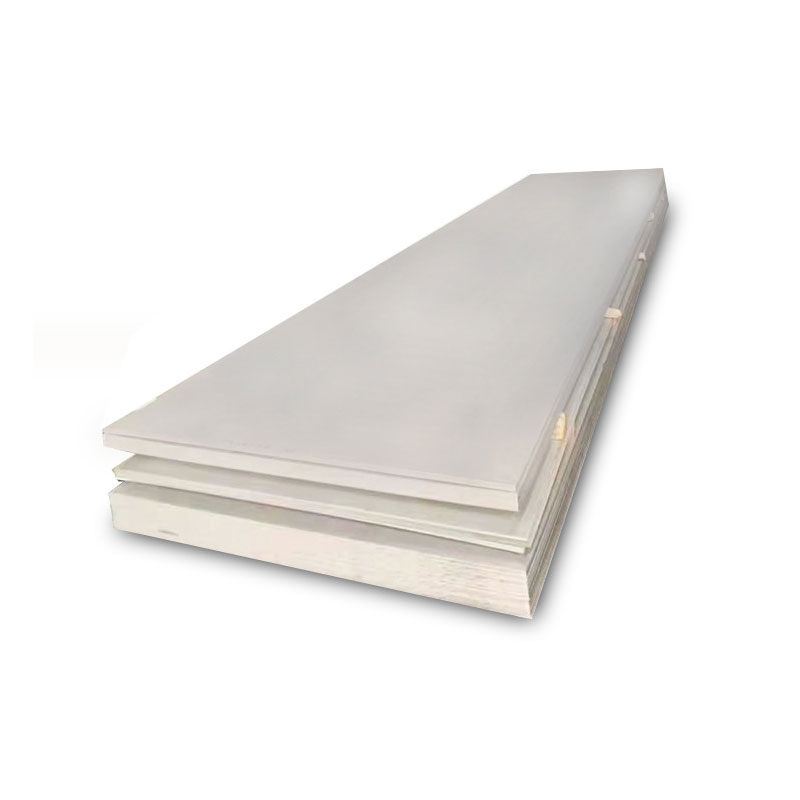
When leaving the steel factory, it is rolled to the size required by the national standard. The ordinary original flat plate has strict dimensions and good performance.
Generally speaking, flat plates (continuous-rolled steel plates) are thinner, narrower in width, and have higher tolerance requirements.
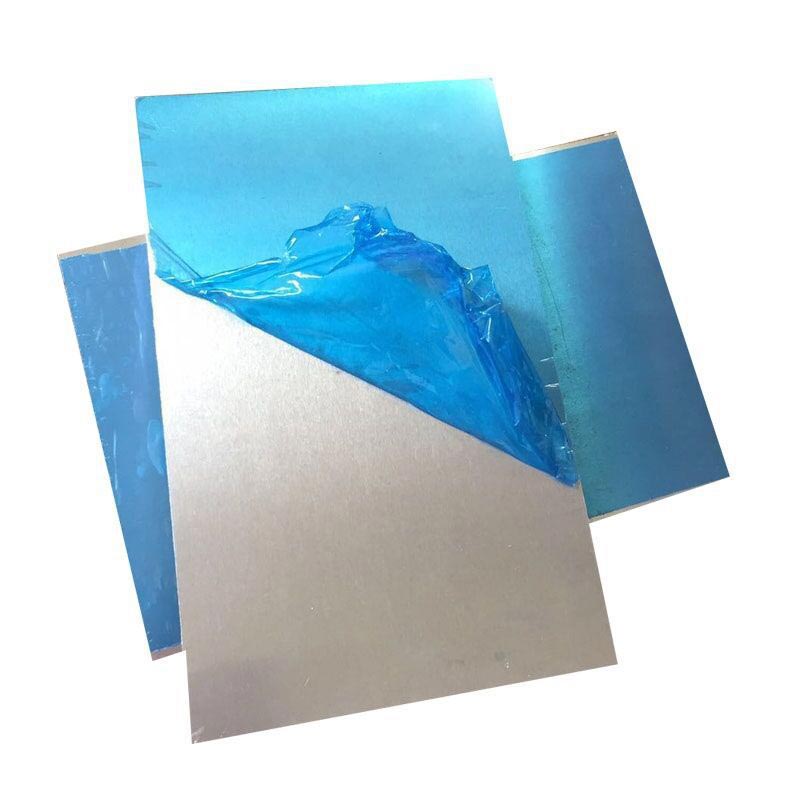
2. The unevenness (flatness) of the cut plate should be significantly worse than that of the original plate. Since the cut plate was originally a strip steel and was rolled, it has less oxide scale. After being placed for the same period of time, the color of the cut plate and the original plate will differ. The original plate will turn red, while the cut plate will turn blue.
3. Different cutting methods at the factory: The original flat plates are usually cut on all four sides, while the cut-to-size flat plates are usually cut on two sides.
4. The flat plate is produced through the processes of uncoiling, leveling, and shearing of strip steel, which facilitates transportation. It can be cut to the required size according to practical needs, saving costs. However, its overall mechanical properties are not as good as those of the original flat plate. Therefore, the original flat plate is used in some important places, and attention should be paid during procurement.
5. The original flat plate is more expensive than the cut-to-size flat plate, which is cheaper and allows for free determination of length.
Special note: When welding, the flat plate may undergo significant welding deformation, making it difficult to adjust. Therefore, it is advisable not to use flat plates for components that require high appearance quality.
Related News
- How to Inspect and Maintain the High Pressure Hoses for Safety?
- How to Distinguish Unmarked 201 and 304 Stainless Steel Pipes?
- Corrosion Resistance Performance of 304 Thin-Walled Stainless Steel Water Pipes
- What Is 304 Stainless Steel Sheet? How to Identify It?
- What Is 304 Stainless Steel Sheet? How to Identify It?
- Analysis of Oxidation Causes of 316L Stainless Steel Sheets
Leave me a message