News
Common Degreasing Methods for 310S Stainless Steel Tubes
Common Degreasing Methods for 310S Stainless Steel Tubes
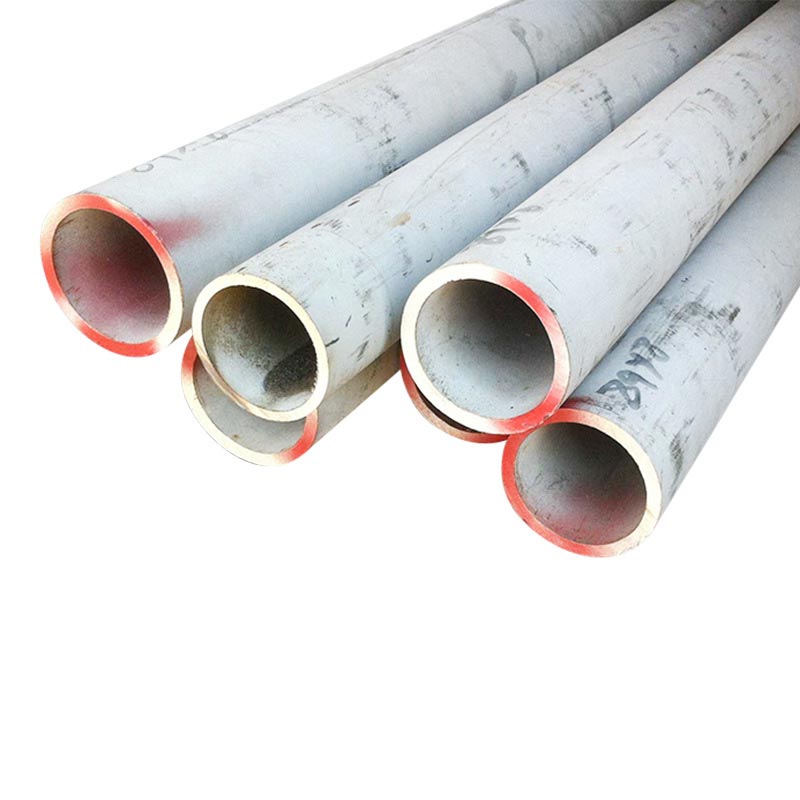
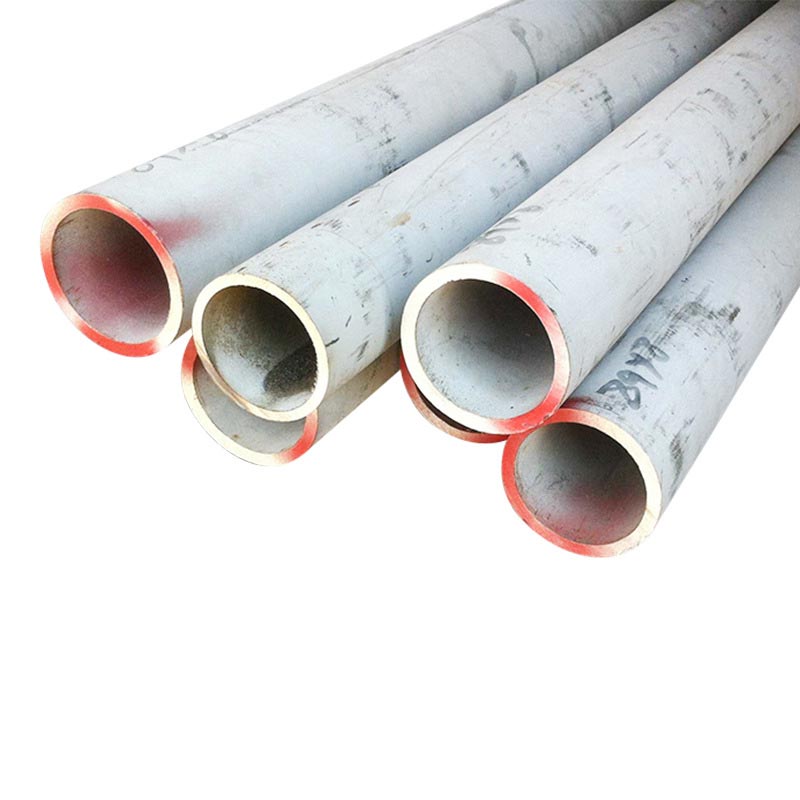
If there is rust and dirt on the inner surface of the Stainless Steel Tube, a circular wire brush and cloth strips can be tied to thick iron wire or thin steel rope, and pulled back and forth through the tube (for large-diameter fittings, a winch can also be used for dragging back and forth). Then, steam or water is introduced for rinsing, followed by drying the tube with compressed air or an exhaust fan. After this, degreasing can be performed.
During degreasing, one end of the Stainless Steel Tube can first be plugged, and 15-20% of the tube's volume of degreasing solvent is poured into the tube (for bent tubes, the amount of degreasing solvent should be appropriately increased). Then, the other end is also plugged, and the tube is placed flat on a clean, level surface or on a workbench with sleepers, soaking for 1-1.5 hours. The Stainless Steel Tube should be rotated every 15 minutes to ensure all areas are immersed (alternatively, the tube can be immersed in a sealed long trough filled with degreasing solvent for degreasing). Afterward, the solvent is poured out, and the tube is dried using an exhaust fan, or oil-free compressed air or nitrogen. Natural ventilation for 24 hours is also acceptable, but the key is to ensure the tube is dry.

To check whether the degreasing of each Stainless Steel Tube is qualified, a method involves using a clean, degreased gauze to form a plug, tying it to an iron wire, and pulling it through the tube to check for any remaining grease.
After degreasing, the Stainless Steel Tube needs to be sealed at both ends with degreased cloth or plastic film to prevent re-contamination of the inner surface. For installed pipelines that require degreasing, they should be disassembled into sections without dead ends before degreasing. Stainless Steel Tubes that cannot be disassembled after installation must be degreased before installation to ensure they remain uncontaminated during and after the installation process.
Related News
- What Causes Rough Surface on Galvanized Angle Steel?
- Analysis on the Development and Advantages of Galvanized Angle Steel
- Features of Galvanized Angle Steel
- Titanium-Plated Angle Steel: Production Processes of Hot-Dip & Electro-Galvanized Angle Steel
- What Are the Differences Between Galvanized Angle Steel and Ordinary Angle Steel?
- What Are the Appearance Standards and Application Advantages of Hot-Dip Galvanized Angle Steel?
Leave me a message