News
Why is cold storage material selection the core key to the construction and operation of cold storage factories?
The selection of cold storage panels is a core link that determines the construction quality, service life and operating cost of cold storage factories, and directly affects the temperature control stability, moisture and corrosion resistance, and later maintenance efficiency of cold storages. At present, the mainstream raw materials for cold storage thermal insulation panels in the market mainly include polyethylene, polystyrene and polyurethane, and panels made of different raw materials have significant differences in performance and application scenarios.Polystyrene foamed thermal insulation materials have a loose structure and low density with poor thermal insulation performance, which are only suitable for thermal insulation supporting scenarios of some special equipment and rarely used in the main construction of large and medium-sized cold storages.
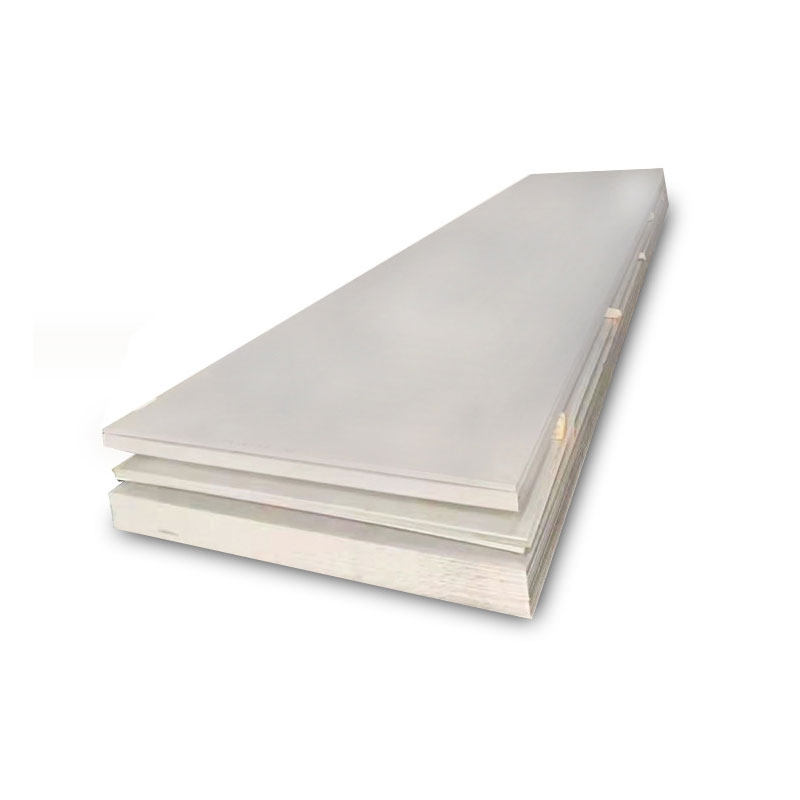
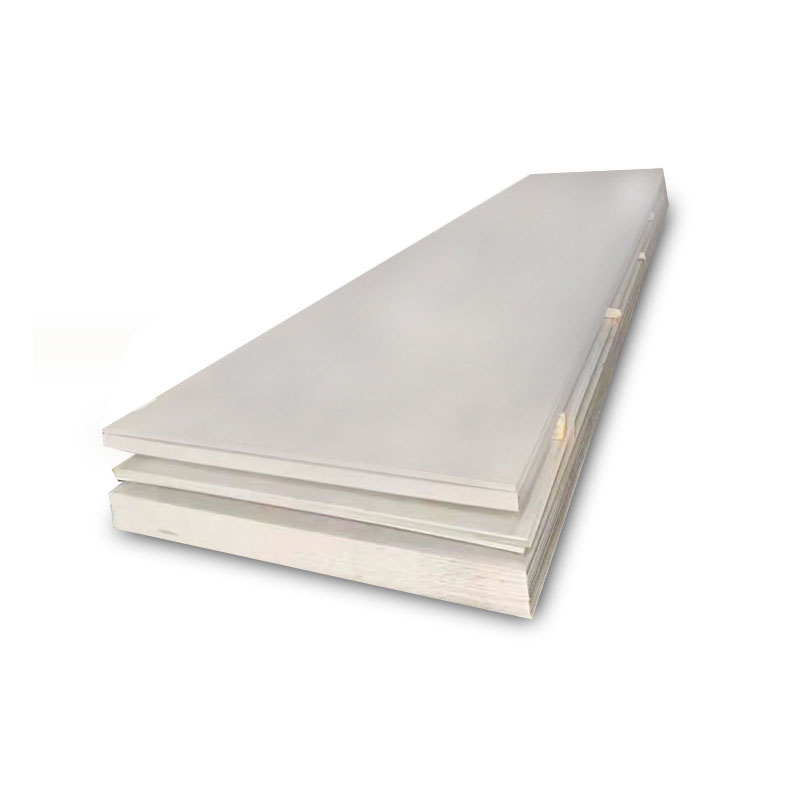
After scientific proportioning and foaming treatment, polyethylene raw materials can form thermal insulation panels with uniform density, excellent thermal insulation effect and good load-bearing capacity, with outstanding cost performance, making them commonly used base materials for cold storage construction. As a high-end cold storage panel, polyurethane sandwich panels have the core advantages of excellent thermal insulation performance, no water absorption and strong moisture and condensation resistance, suitable for various high-standard cold storage projects, with the only disadvantage of a relatively high market price.The surface protection material of cold storage panels is also crucial. The mainstream types in the industry include stainless steel patterned plates, ordinary stainless steel plates, color galvanized stainless steel plates, salted stainless steel plates and 1.0mm galvanized standard floor plates. The mainstream prefabricated cold storage panels on the market are all made of metal plates as the surface layer, poured with rigid polyurethane foam raw materials inside, and integrally formed through curing and pressure treatment.
The metal surface layer can be rolled into different corrugated shapes, which greatly improves the overall rigidity and bearing capacity of the panels. Especially for high-standard scenarios such as medical cold storages, polyurethane materials have extremely strong adhesion, which can be closely bonded to the metal surface layer as a whole without additional bonding accessories, ensuring excellent structural stability.Compared with ordinary warehouses, cold storages have extremely strict requirements on constant temperature and humidity, air tightness and thermal insulation, which makes panel selection a top priority in cold storage construction. High-quality thermal insulation panels need to balance high-performance thermal insulation, moisture and seepage prevention and economic practicality, and the selection should adapt to local conditions according to site conditions. Traditional polystyrene panels are low in cost but have strong water absorption and poor thermal insulation performance, resulting in poor use experience. Polyurethane prefabricated cold storage panels have become the mainstream choice for modern cold storage projects and a new energy-saving and environmental protection building material with reliable technology and economic rationality by virtue of stable performance, solid structure and wide adaptability.At present, domestic cold storage construction is gradually moving towards standardized and prefabricated development.
Prefabricated warehouse components integrate moisture-proof and thermal insulation layers and are assembled on site directly, with convenient operation, short construction period, and flexible advantages of disassembly and migration, while the overall cost is slightly higher than that of traditional construction methods. In terms of panel specification selection, 10cm thick panels are generally suitable for medium and high-temperature cold storages, and 12cm or 15cm thickened panels are required for low-temperature and frozen cold storages. For non-standard customized panels, two core parameters need to be checked: first, the panel foaming density, with the national standard of 38-40KG per cubic meter; second, the thickness of the surface stainless steel plate, and the thickness of products from regular manufacturers is not less than 0.4mm.In conclusion, the selection of cold storage panels directly determines the long-term operation effect of cold storages. Reasonable material selection can not only ensure accurate temperature control and stable operation of cold storages, but also greatly reduce the later operation and maintenance difficulty and maintenance cost, which is a core process that cannot be ignored in the construction of cold storage factories.
Related News
- What Causes Rough Surface on Galvanized Angle Steel?
- Analysis on the Development and Advantages of Galvanized Angle Steel
- Features of Galvanized Angle Steel
- Titanium-Plated Angle Steel: Production Processes of Hot-Dip & Electro-Galvanized Angle Steel
- What Are the Differences Between Galvanized Angle Steel and Ordinary Angle Steel?
- What Are the Appearance Standards and Application Advantages of Hot-Dip Galvanized Angle Steel?
Leave me a message