News
304 cold-rolled stainless steel is good, but what makes it good?
304 cold-rolled stainless steel is good, but what makes it good?
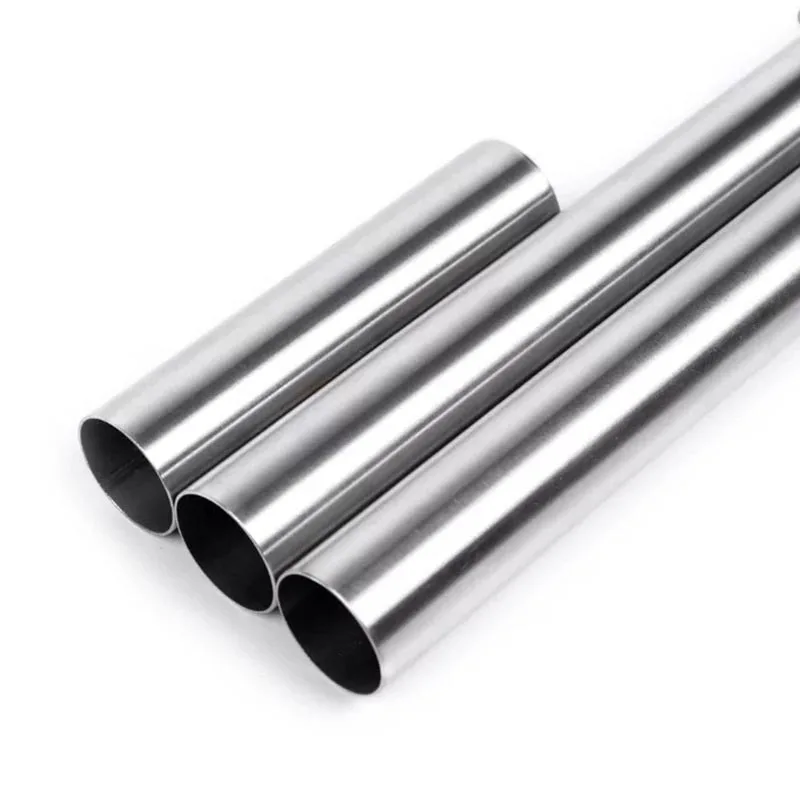
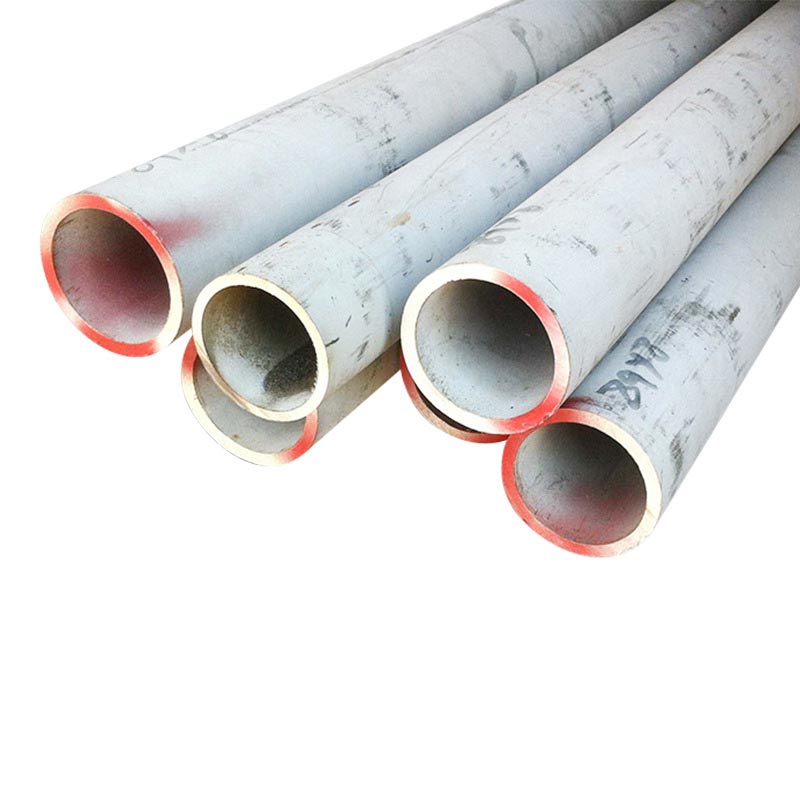
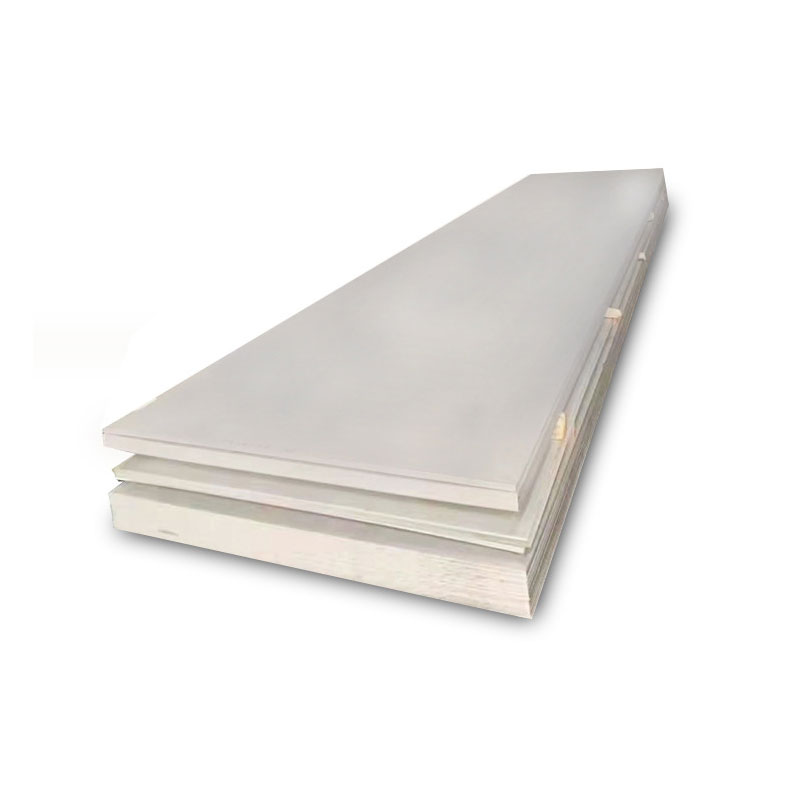
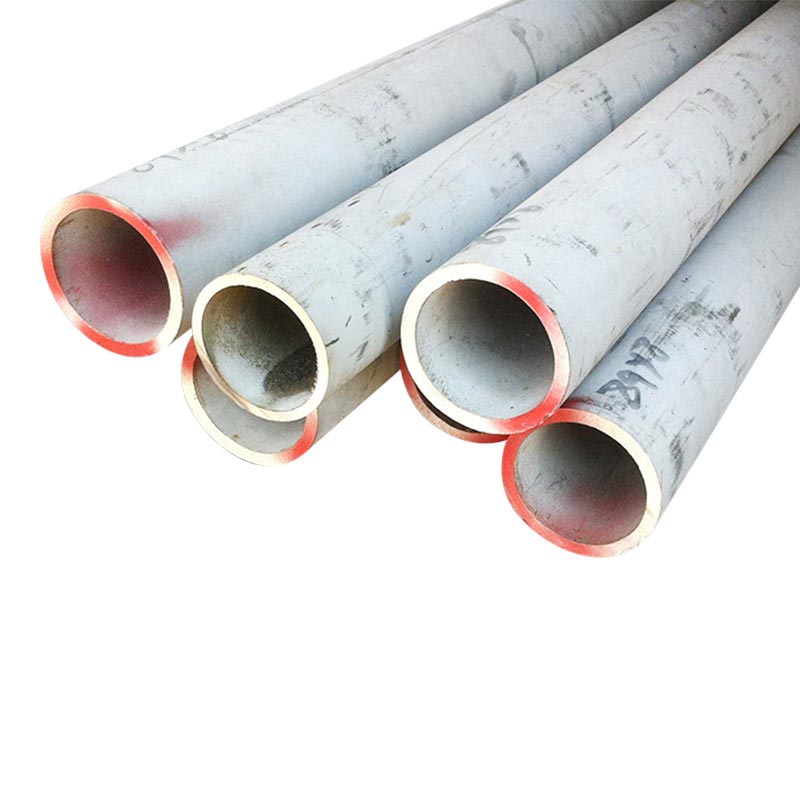
304 stainless steel is beautiful. It occupies a majority of daily necessities in our daily lives, such as stainless steel cups, stainless steel kitchenware, stainless steel home appliances, etc. Its application possibilities are diverse. Due to its corrosion resistance, high strength, and durable compressive strength that are stronger than ordinary steel, as well as its easy cleaning and good aesthetics, it attracts people's attention. Therefore, 304 stainless steel is very popular in many fields!
So, what exactly is 304 stainless steel? To understand 304 stainless steel, it is necessary to have a basic understanding of stainless steel.
Stainless steel does not refer to a specific type of material, but rather a broad category. Currently, there are hundreds of stainless steel materials available in the market, each applied in different industries. For stainless steel, chromium is the material that prevents rust, while nickel is the corrosion-resistant material.
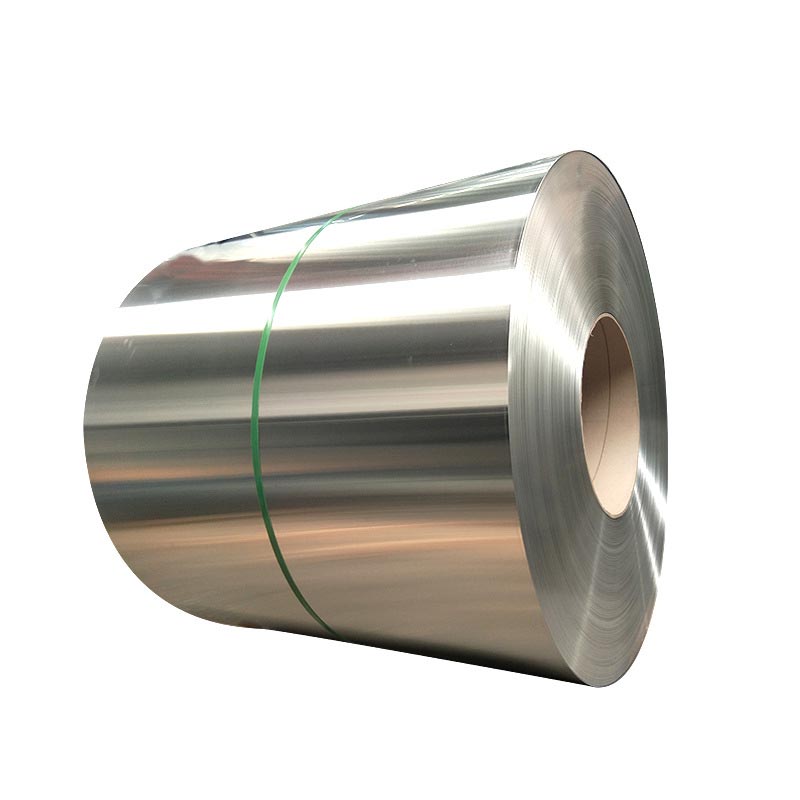
Stainless steel can maintain its luster and resist rusting in the air, primarily due to its content of chromium alloy elements (not less than 10.5%). Chromium alloy elements enable the steel surface to form an oxide film that is insoluble in certain media. The addition of nickel further enhances the properties of stainless steel, making it exhibit excellent chemical stability in various aqueous solutions of acids, alkalis, and salts. It even maintains its corrosion resistance in high or low temperature environments. 304 stainless steel is a chromium-nickel stainless steel. 304 is a grade of stainless steel produced according to the American ASTM standard and is considered food-grade stainless steel. The most important elements in 304 stainless steel are Cr and Ni, but it is not limited to these two elements. The industry commonly determines that as long as the Cr content is greater than 18% and the Ni content is greater than 8%, it can be considered as 304 stainless steel. This is also why the industry refers to this type of stainless steel as 18/8 stainless steel.
Firstly, 304 stainless steel exhibits stronger corrosion resistance. Due to its chromium-to-nickel ratio of 18:8, a dense oxide film forms on the surface of the stainless steel, which can prevent the internal iron material from coming into contact with oxygen, thus avoiding rusting of the stainless steel caused by oxidation.
Secondly, products made of 304 stainless steel are superior in safety compared to those made of other materials. This is mainly due to the unstable properties of stainless steel products such as 201 and 202, which may easily rust after being used for a period of time. Manganese is widely present in rust, and excessive intake of manganese by the human body can cause damage to the nervous system, leading to memory loss or mental sluggishness. However, the more stable properties of 304 stainless steel ensure its safety in use.
In addition, 304 stainless steel products are not only safer but also more beneficial to health. Nutritionists point out that a long-term deficiency of trace elements such as chromium and nickel in the diet can increase the risk of diabetes and cardiovascular and cerebrovascular diseases. Since 304 stainless steel contains a certain amount of chromium and nickel, long-term use of 304 stainless steel kitchenware can bring great benefits to the elderly, especially those who suffer from such diseases, as well as to young people.
Related News
- What Causes Rough Surface on Galvanized Angle Steel?
- Analysis on the Development and Advantages of Galvanized Angle Steel
- Features of Galvanized Angle Steel
- Titanium-Plated Angle Steel: Production Processes of Hot-Dip & Electro-Galvanized Angle Steel
- What Are the Differences Between Galvanized Angle Steel and Ordinary Angle Steel?
- What Are the Appearance Standards and Application Advantages of Hot-Dip Galvanized Angle Steel?
Leave me a message