News
How to Distinguish 201 and 304 Stainless Steel Tubes Without Material Markings
How to Distinguish 201 and 304 Stainless Steel Tubes Without Material Markings
Three Practical Methods to Tell 201 Apart from 304 Stainless Steel Tubes Without Stamps
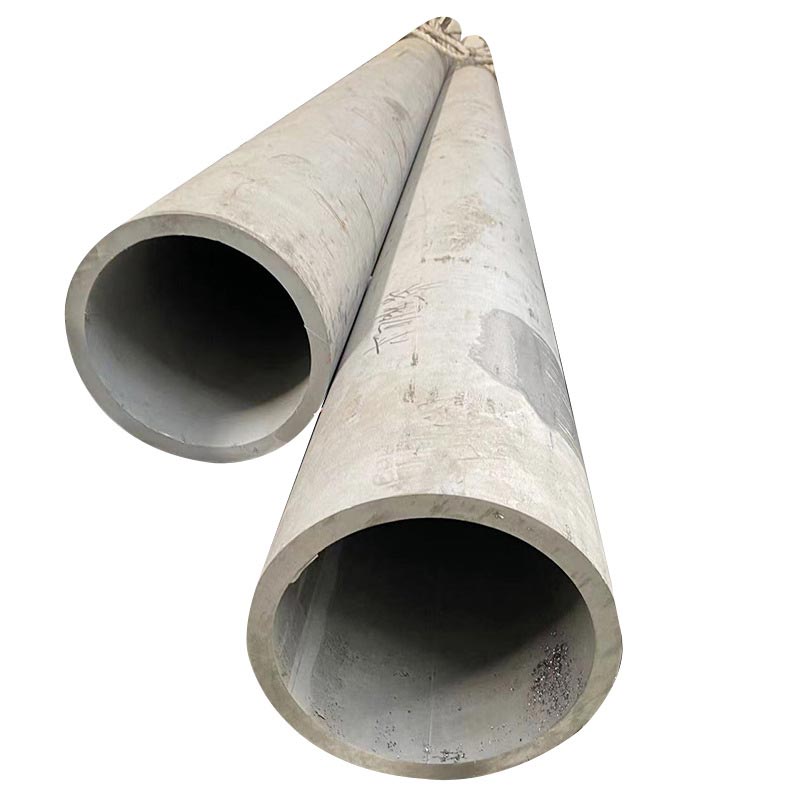
304 stainless steel tubes have gained soaring popularity in recent years. Compared with 304 grade, 201 stainless steel tubes feature weaker corrosion resistance. They are not recommended for long-term humid environments or coastal regions, and are mainly used in dry areas and low-standard applications.
304 stainless steel tubes deliver outstanding corrosion resistance, ideal for humid locations and coastal provinces including Guangdong, Fujian and Zhejiang.
Driven by the performance gap, 201 stainless steel tubes carry a far lower price tag. Unscrupulous merchants often pass off low-grade 201 tubes as 304 products for excess profits, bringing hidden risks to end users.
How to differentiate 201 and 304 stainless steel tubes when there are no engraved material stamps? Below are three simple identification methods:
Visual & Tactile Inspection
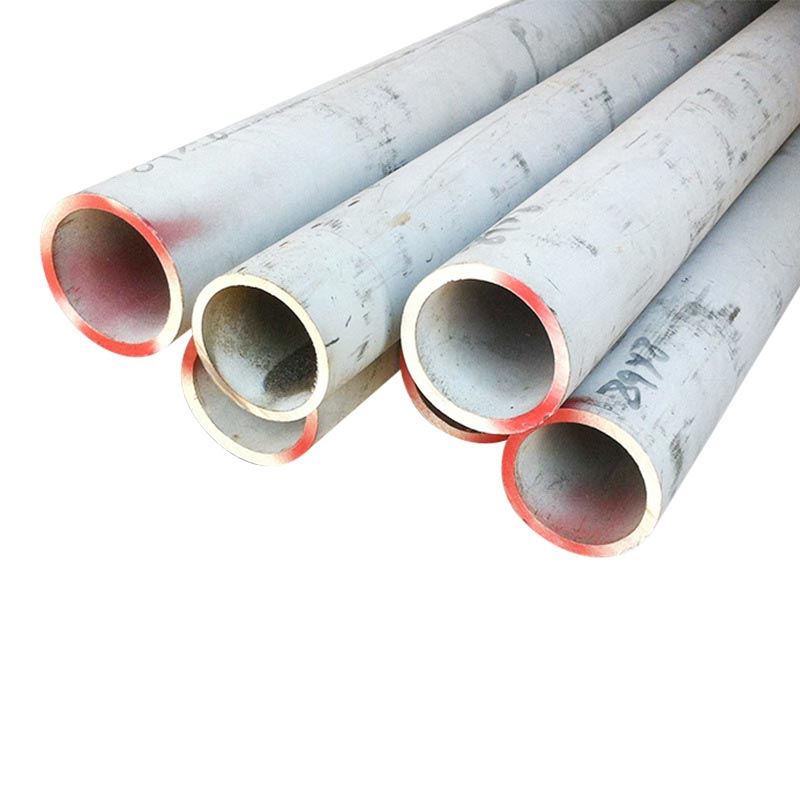
Both 201 and 304 tubes come with matte surfaces, yet subtle differences exist:
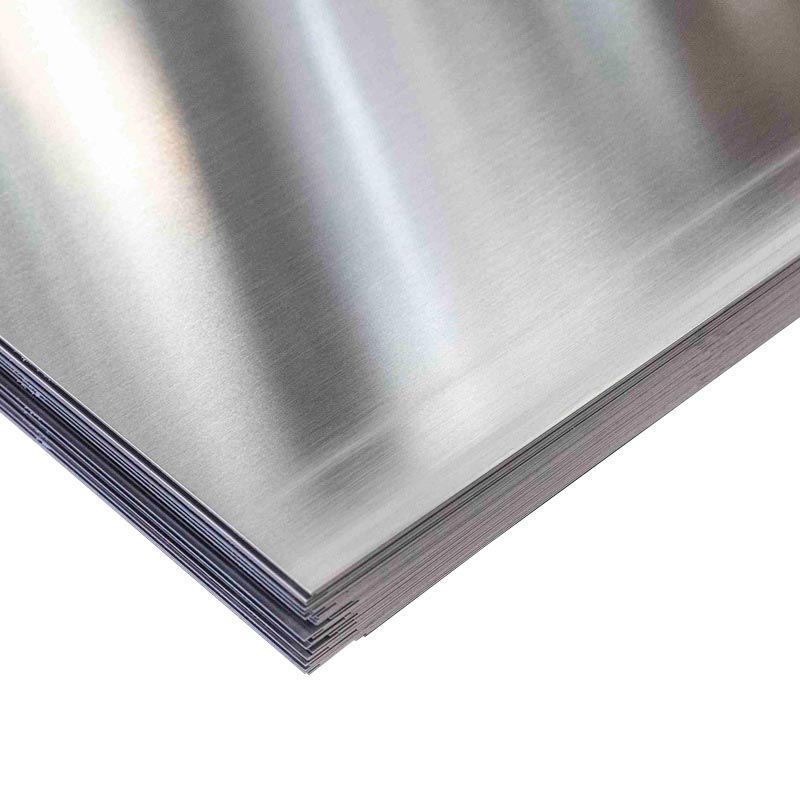
304 stainless steel tube: bright metallic luster, smooth touch; water stains and fingerprints left by wet hands wipe off easily.
201 stainless steel tube: dull, dim surface with rough texture; water marks and fingerprints are hard to remove.
Grinding Spark Test
Mount an abrasive wheel on a grinder and lightly grind both tube samples with identical force:
201 material produces long, thick and dense sparks during grinding;
304 material generates short, thin and sparse sparks.
Note: Apply gentle and consistent grinding pressure for accurate comparison.
Stainless Steel Pickling Paste Test
Coat pickling paste separately on the two tube surfaces and wait for 2 minutes, then observe color changes:
Coated area turns black = 201 stainless steel tube
Coated area remains pale or unchanged = 304 stainless steel tube
Related News
- What Causes Rough Surface on Galvanized Angle Steel?
- Analysis on the Development and Advantages of Galvanized Angle Steel
- Features of Galvanized Angle Steel
- Titanium-Plated Angle Steel: Production Processes of Hot-Dip & Electro-Galvanized Angle Steel
- What Are the Differences Between Galvanized Angle Steel and Ordinary Angle Steel?
- What Are the Appearance Standards and Application Advantages of Hot-Dip Galvanized Angle Steel?
Leave me a message