News
What Are the Differences Between 201 and 304 Stainless Steel Profiles?
What Are the Differences Between 201 and 304 Stainless Steel Profiles?
The 201 stainless steel profile offers certain resistance to acids and alkalis, features high density, and is free from bubbles or pinholes after polishing, making it a high-quality material for manufacturing watch cases, watchbands, and back covers. It is primarily used for decorative pipes, industrial pipes, and lightly drawn products.
Even professionals in the building materials industry can find it challenging to distinguish between 201 and 304 stainless steel profiles. Some unscrupulous merchants may even sell 201 materials as 304 to customers. This not only causes financial losses for buyers and disrupts market order but could also lead to serious safety hazards. Here is a guide from a 201 stainless steel profile manufacturer on how to differentiate between the two:
Chemical Composition: The chemical designation for 201 is 1Cr17Mn6Ni5, while for 304 it is 06Cr19Ni10. The key difference lies in the nickel and chromium content: 304 contains 19% chromium and 10% nickel, whereas 201 contains 17% chromium and 5% nickel.
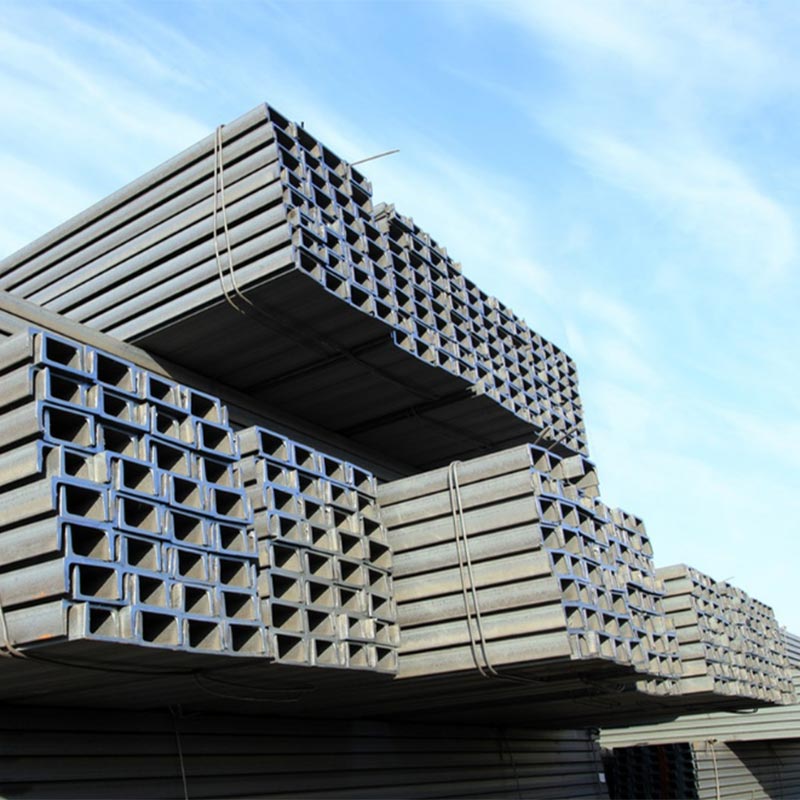
Manganese Content and Appearance: The 201 stainless steel profile contains manganese, which 304 does not. This gives 201 a slightly darker and less bright appearance compared to the whiter, brighter finish of 304. However, this difference is often subtle and difficult to discern with the naked eye.
Corrosion Resistance and Physical Properties: Due to its lower nickel content, the corrosion resistance of 201 is significantly inferior to that of 304. Its resistance to acids and alkalis is also weaker. Furthermore, 201 has a higher carbon content, making it harder and more brittle. 304 is more ductile. A hard scratch from a sharp tool will typically leave a clear mark on a 201 surface, while the mark on 304 will be much less noticeable.
Rusting Tendency: Because it contains manganese, the 201 stainless steel profile is prone to rusting when exposed for long periods to damp, salty air, whereas 304 generally will not rust. If a material marked as 304 does rust, it is likely not genuine 304, regardless of the "304" stamp it may bear.
Practical Identification Method: A highly convenient and reliable method is to use a stainless steel testing solution. A few drops applied to the surface can distinguish the type within seconds. The principle involves a chemical reaction between elements in the material and the solution, producing a colored substance. This method is extremely convenient, accurate, and feasible. Currently, such testing solutions are readily available for purchase online, though they may be harder to find in local physical markets.
Related News
- What Causes Rough Surface on Galvanized Angle Steel?
- Analysis on the Development and Advantages of Galvanized Angle Steel
- Features of Galvanized Angle Steel
- Titanium-Plated Angle Steel: Production Processes of Hot-Dip & Electro-Galvanized Angle Steel
- What Are the Differences Between Galvanized Angle Steel and Ordinary Angle Steel?
- What Are the Appearance Standards and Application Advantages of Hot-Dip Galvanized Angle Steel?
Leave me a message