News
What is stainless steel and why is it used?
What is stainless steel and why is it used?
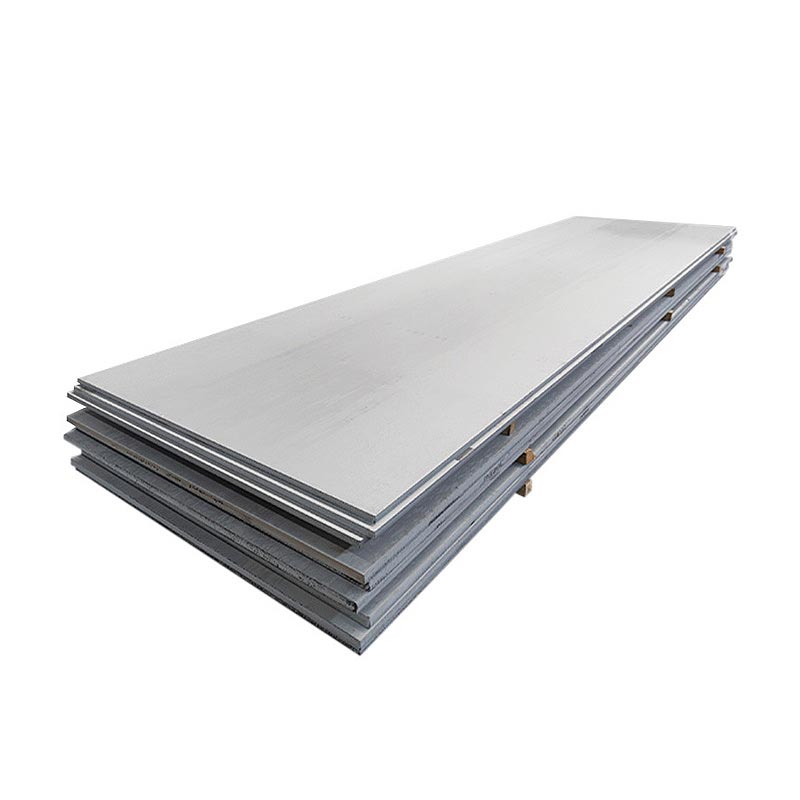
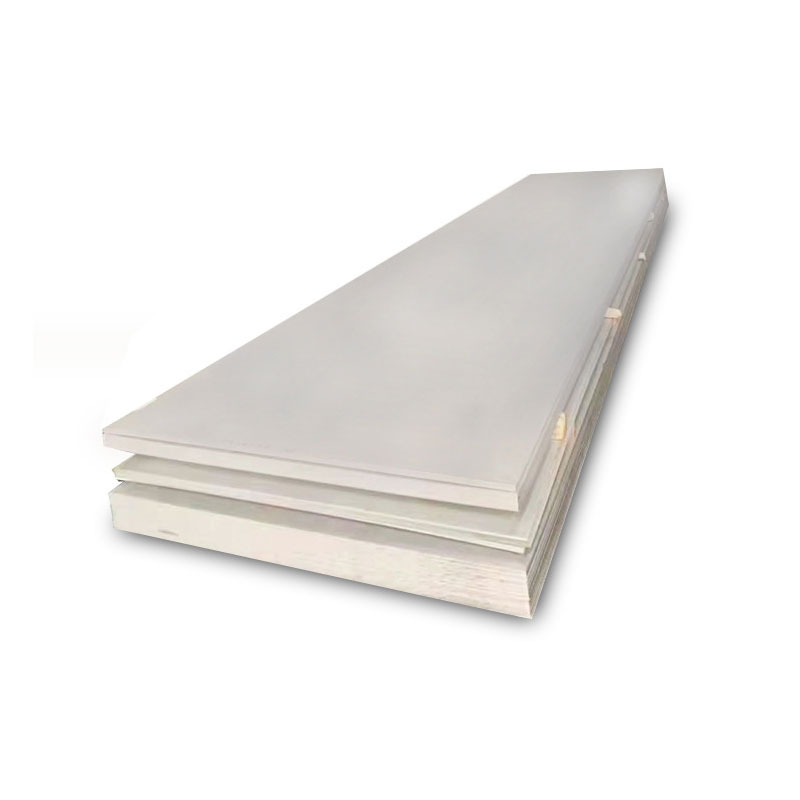
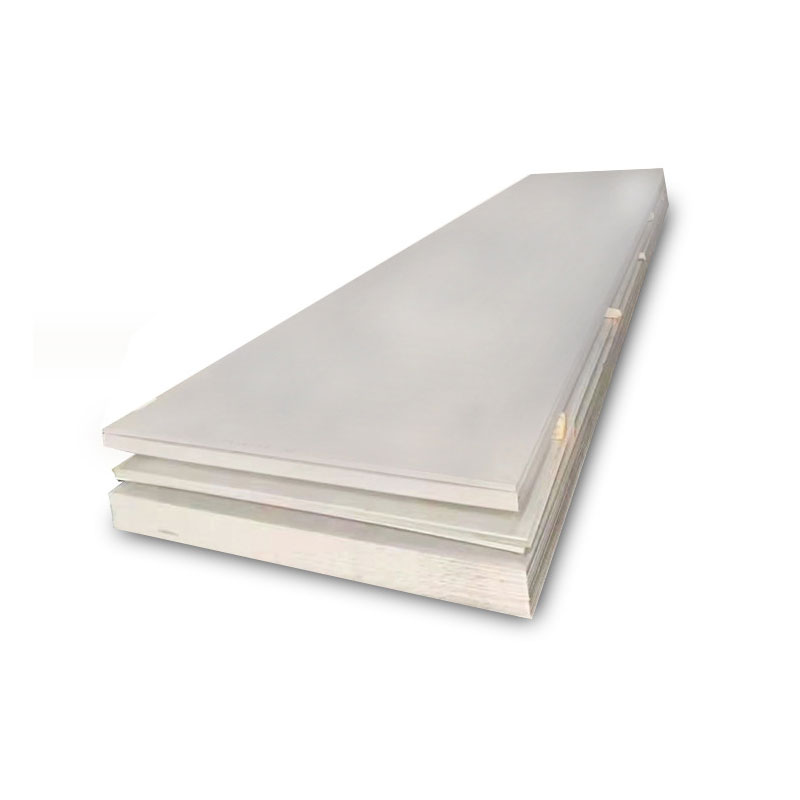
Stainless steel is an alloy, meaning it is composed of different elements. As the name suggests, it is a material that does not corrode. Stainless steel is a metal that contains chromium along with chemical impurities such as nitrogen and nickel, which provide good plasticity and toughness.

What is unique about chromium? It reacts with oxygen! In the presence of oxygen, a thin, insoluble layer of chromium oxide forms on the surface of stainless steel products. This oxide film creates the "superpower" of hot-rolled steel, enabling it to resist corrosion even in highly aggressive environments at high temperatures. The oxide layer makes stainless steel alloy essentially inert: it prevents the alloy elements from reacting chemically with the environment, including oxidation.
There are many types of stainless steel, but they can be divided into five main categories:
Austenitic Stainless Steel
This is one of the highly alloyed variants of iron. It has a face-centered cubic lattice. It easily maintains its structure even at very low temperatures. Austenitic stainless steel exhibits high strength values and is resistant to high temperatures and heavy loads.
Ferritic Stainless Steel
Modern ferritic stainless steels stand out for their corrosion resistance. They maintain high quality and are in many ways comparable to chromium-nickel alloys. In various environments, this type of stainless steel material outperforms its counterparts and demonstrates better resistance.
Martensitic Stainless Steel
Martensitic crystals have a tetragonal structure, with iron atoms located at lattice sites. In appearance, martensite appears as multiple dark iron needles on a light background. The angle between these needles averages 60 degrees relative to each other. Since martensite is entirely in a dissolved state, no traces of carbon can be detected on its surface.
Duplex Stainless Steel
Duplex stainless steel is considered among the best worldwide. What are its characteristics? First, the high strength of this stainless steel material allows for a reduction in the final weight of any product. Second, it is known for its extremely strong corrosion resistance, particularly when considering resistance to stress corrosion cracking.
Precipitation-Hardening Stainless Steel
These steels are also known as high-strength stainless steels. Precipitation-hardening stainless steels contain aluminum, niobium, or tantalum and acquire their properties through hardening and martensitic transformation.
Stainless steel offers many benefits. Firstly, this material is very strong, wear-resistant, easily formed, non-corrosive, and meets environmental standards. Stainless steel products can have a service life of up to 50 years. During this considerable period, the stainless steel material hardly loses its original properties. Additionally, the material requires no extra care or regular painting.
Elemental analysis required for producing the highest quality stainless steel can be performed using two methods: X-ray fluorescence (XRF) and optical emission spectroscopy (OES).
The first method is one of the best techniques in the field of metalworking. Portable X-ray analyzers can analyze entire metals and classify them by type within seconds.
OES is a technique for analyzing metals and alloys in laboratories. With its help, the elemental composition of stainless steel material can be quickly analyzed.
Related News
- What Causes Rough Surface on Galvanized Angle Steel?
- Analysis on the Development and Advantages of Galvanized Angle Steel
- Features of Galvanized Angle Steel
- Titanium-Plated Angle Steel: Production Processes of Hot-Dip & Electro-Galvanized Angle Steel
- What Are the Differences Between Galvanized Angle Steel and Ordinary Angle Steel?
- What Are the Appearance Standards and Application Advantages of Hot-Dip Galvanized Angle Steel?
Leave me a message