

News
News
Get latest steel market trends, production technology breakthroughs, and international trade policies from China's leading steel exporter.
 24 2026-04
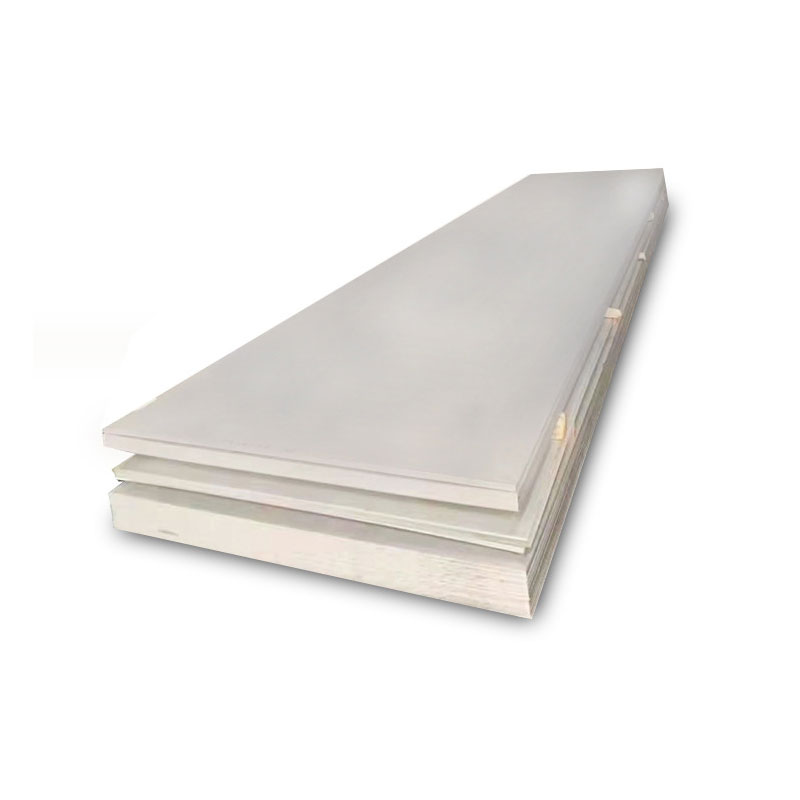
 Analysis of Oxidation Causes of 316L Stainless Steel Sheets
This is one of the main causes of oxidation in finished steel products.
 24 2026-04
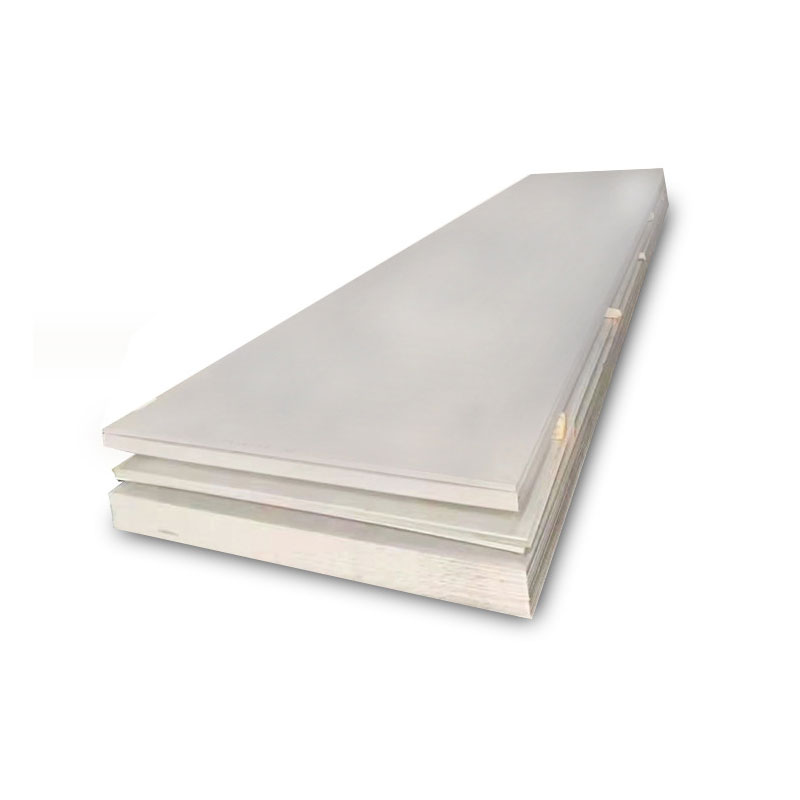
 The Role of Alloying Elements in Stainless Steel Composition
Under normal conditions, pure metals have relatively high plasticity. When other alloying elements are added and a single-phase solid solution is formed, they also have good plasticity.
 23 2026-04
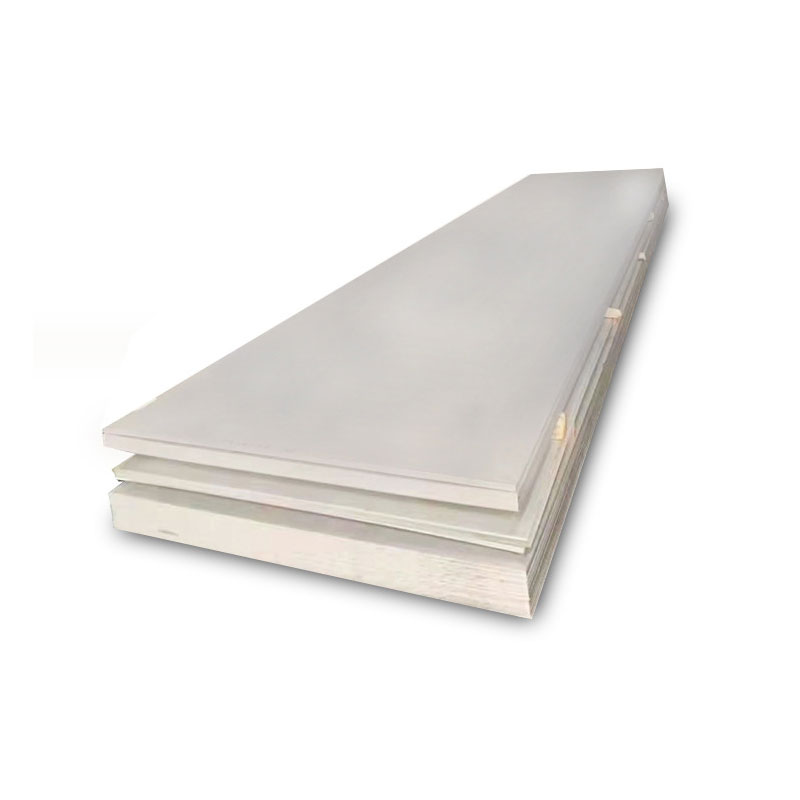
 What is the density of ordinary 304 stainless steel sheet?
304 Stainless Steel Sheet
is a common type of raw material among stainless steels, with a density of 7.93 g/cm3. It is also called 18/8 stainless steel in the industry. It can withstand high temperatures up to 800 degrees, has good processing performance and high durability, and is widely used in industrial and furniture decoration industries, as well as in the food and medical fields.
 23 2026-04
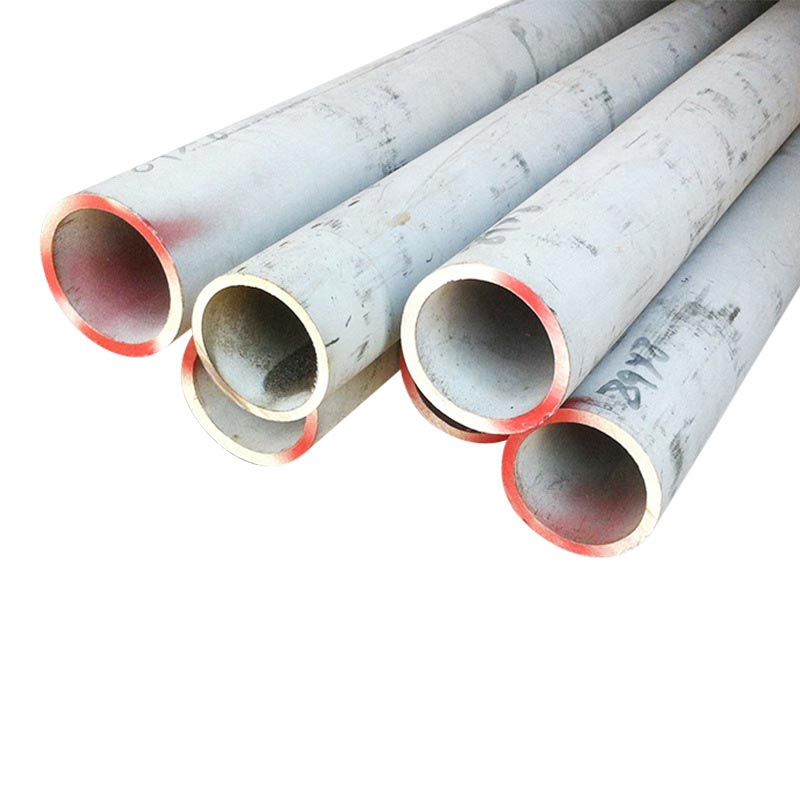
 Basic Knowledge About Stainless Steel
Do you know how to calculate the weight of stainless steel pipes? Do you know the differences between stainless steel pipes of different materials?
 08 2026-04
 The stainless steel plates used for curtain wall decoration are categorized into three main types
Commonly used stainless steel plates for curtain wall decoration are generally divided into three categories based on their structure: single plates (box-type, buckle-type, and cut plates), composite plates, and honeycomb plates
 08 2026-04
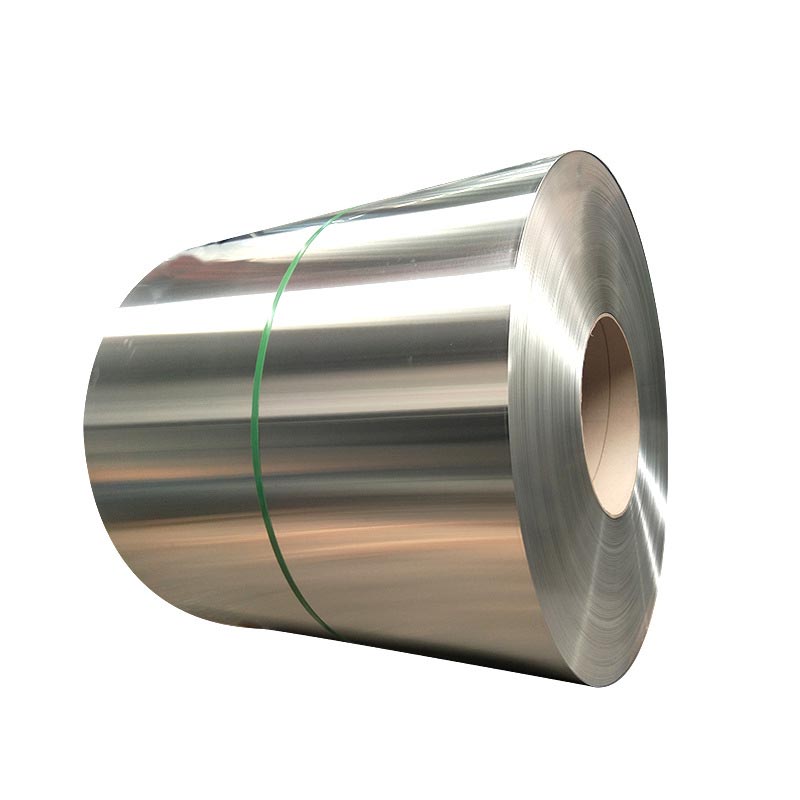
 304 cold-rolled stainless steel is good, but what makes it good?
304 stainless steel is beautiful. It occupies a majority of daily necessities in our daily lives, such as stainless steel cups, stainless steel kitchenware, stainless steel home appliances, etc. Its application possibilities are diverse. Due to its corrosion resistance, high strength, and durable compressive strength that are stronger than ordinary steel, as well as its easy cleaning and good aesthetics, it attracts people's attention.