

News
News
Get latest steel market trends, production technology breakthroughs, and international trade policies from China's leading steel exporter.
 27 2026-06
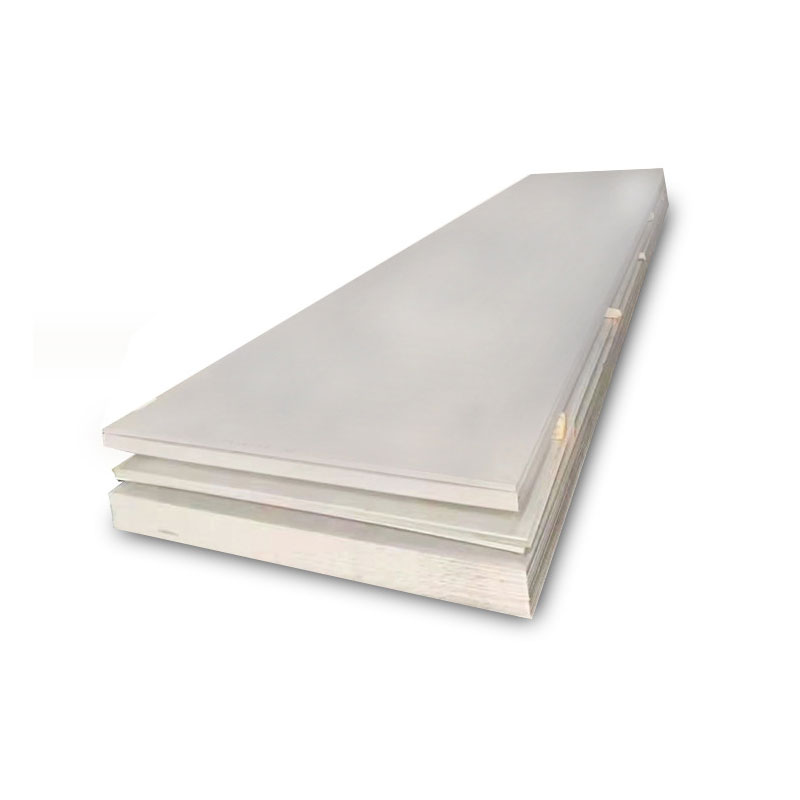
 Advantages of Press-Fit Connection for 304 Thin-Walled Stainless Steel Water Pipes
The press-fit connection technology has become the mainstream joining method for 304 thin-walled stainless steel water pipes, widely recognized in modern plumbing engineering for its superior mechanical performance, construction efficiency and long-term stability.
 25 2026-06
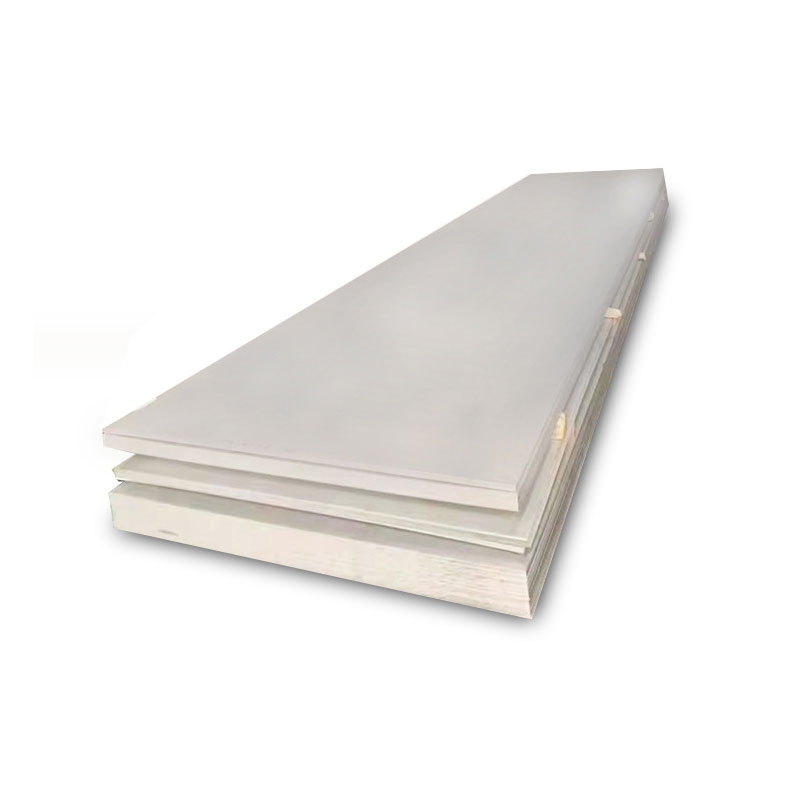
 Corrosion Resistance Performance of 304 Thin-Walled Stainless Steel Water Pipes
304 thin-walled stainless steel water pipes are renowned for their excellent comprehensive corrosion resistance, which is the core reason why they replace traditional galvanized pipes, plastic pipes and copper pipes and become high-quality water supply pipeline materials.
 25 2026-06
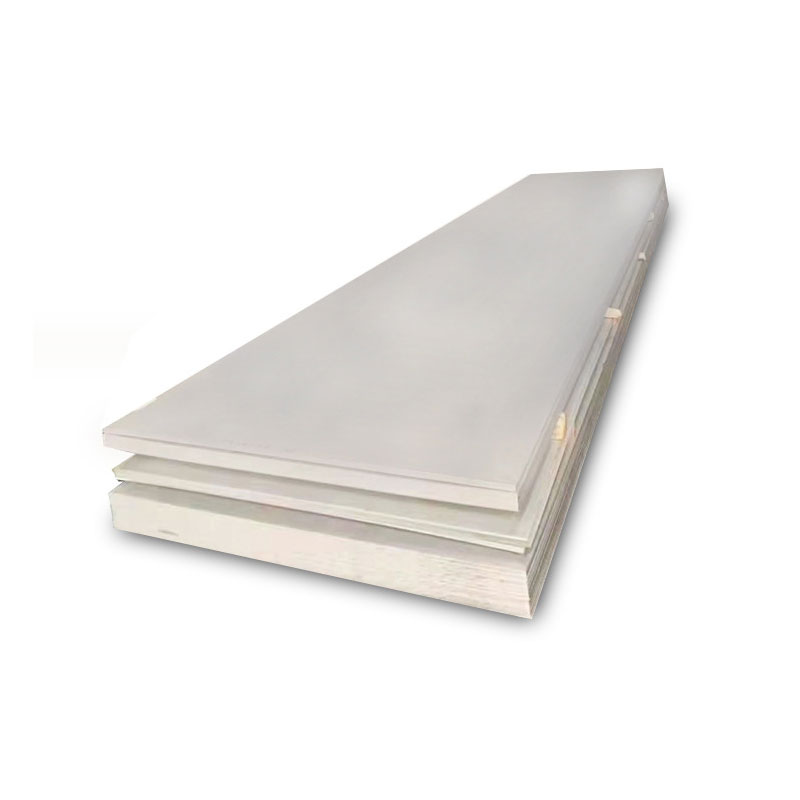
 Application Scenarios of 304 Thin-Walled Stainless Steel Water Pipes
With the advantages of reliable connection, excellent corrosion resistance, hygienic safety and long service life, 304 thin-walled stainless steel water pipes are widely used in civil construction, commercial facilities, industrial production and special fluid transportation fields, covering almost all high-standard water supply and fluid delivery scenarios.
 22 2026-06
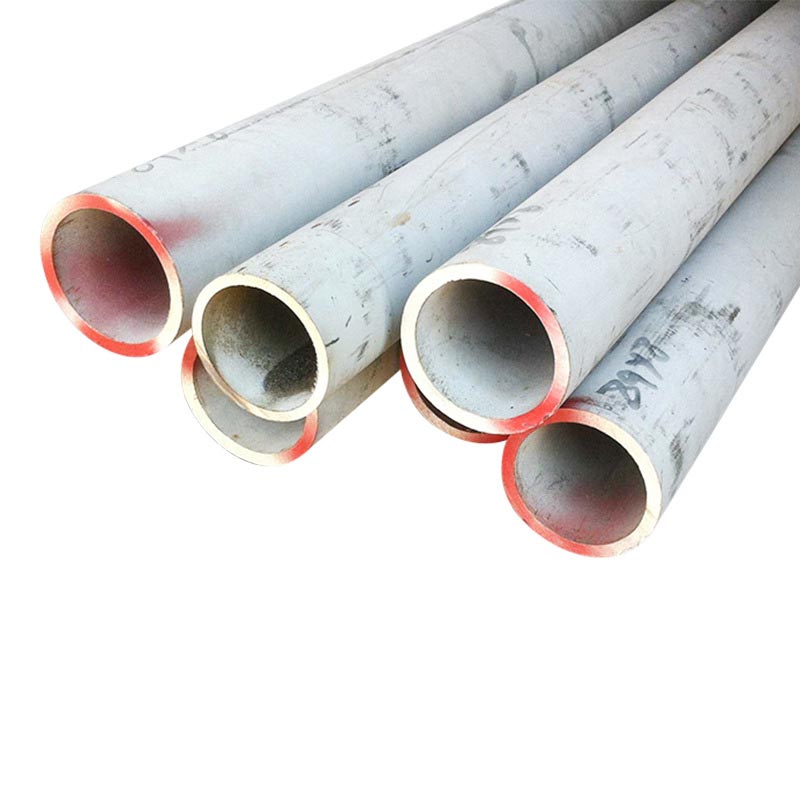
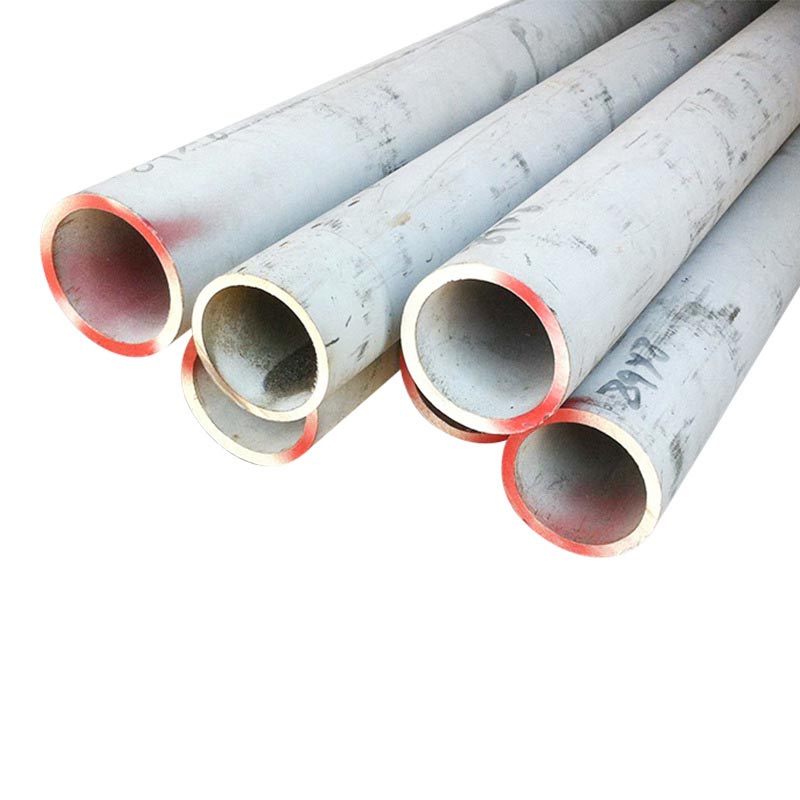
 Confused About 316L and 316 Stainless Steel Tubes?
316L stainless steel tube is a widely applied pipe material in construction engineering, featuring an oval hollow tubular structure.
It is extensively adopted for mechanical equipment, petrochemical facilities, medical devices, food processing and light industry pipelines, as well as mechanical components. Nevertheless, many buyers struggle to distinguish 316L stainless steel tubes from standard 316 stainless steel tubes.
 18 2026-06
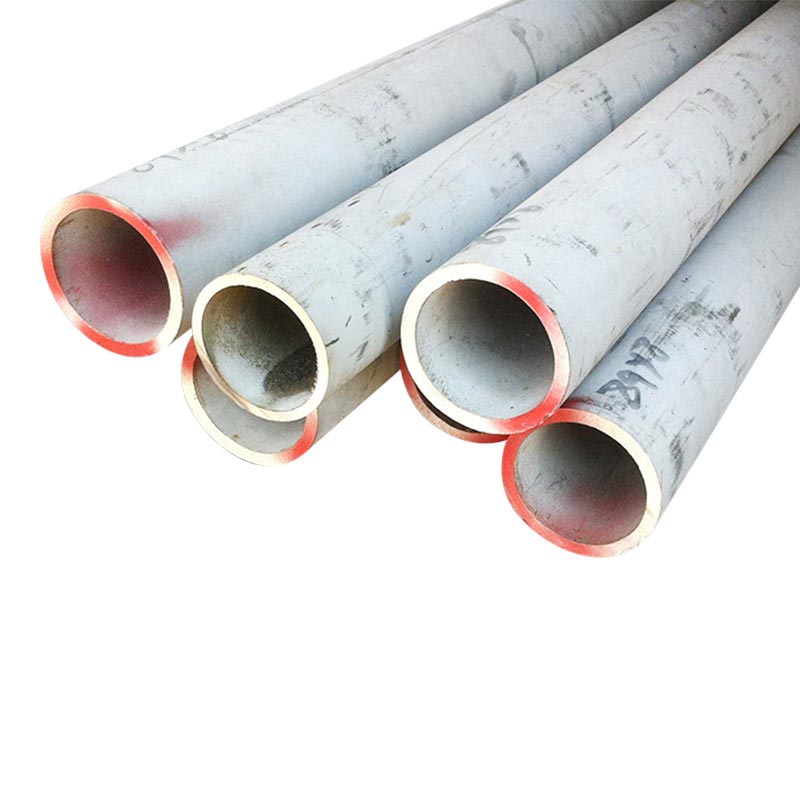
 How to Distinguish 201 and 304 Stainless Steel Tubes Without Material Markings
Three Practical Methods to Tell 201 Apart from 304 Stainless Steel Tubes Without Stamps
304 stainless steel tubes have gained soaring popularity in recent years.
 18 2026-06
 What Are the Mandatory Conditions for Bright Annealing of 304 Stainless Steel Tubes?
Bright annealing relies on strict process parameters for 304 stainless steel tubes. Wuxi Yinshan Stainless Steel Co., Ltd. sorts out the key technical requirements as below: