

News
Company News
 23 2026-03
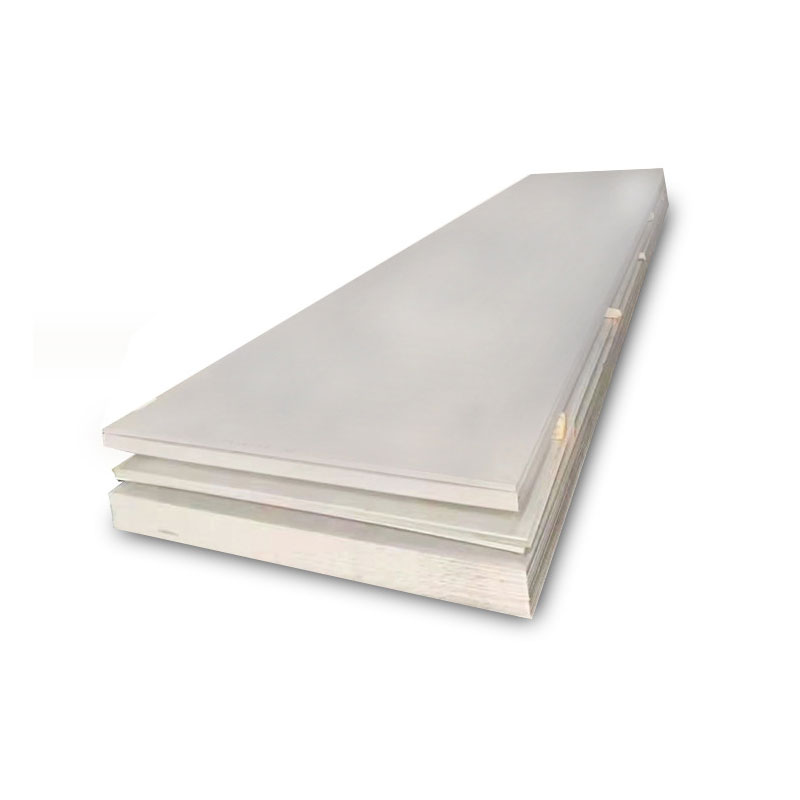
 What is the advantage of 304 stainless steel? It is so popular
304 stainless steel is beautiful. It occupies a large part of our daily life, including stainless steel cups, stainless steel kitchenware, stainless steel home appliances, etc. Its application possibilities are diverse. Due to its corrosion resistance, high strength, and durable compressive strength, which are superior to ordinary steel, it is easy to clean and has good aesthetics, attracting people's attention. Therefore, 304 stainless steel is very popular in many fields!
 12 2026-03
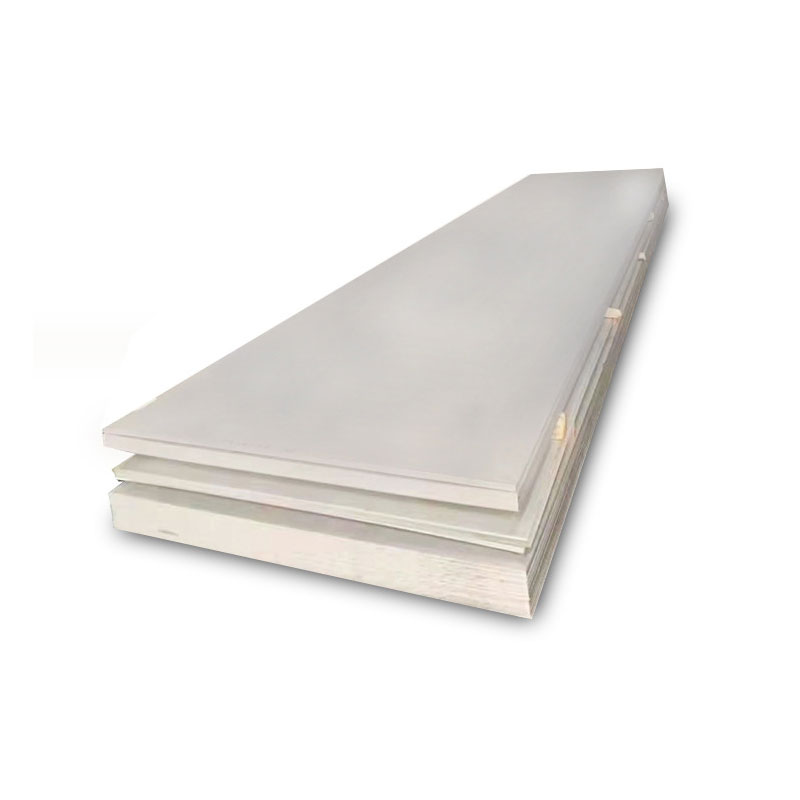
 Differences Between 201 Stainless Steel and 202 Stainless Steel
Firstly, both 201 stainless steel and 202 stainless steel are widely used in architectural decoration. Their differences are as follows:
 06 2026-03
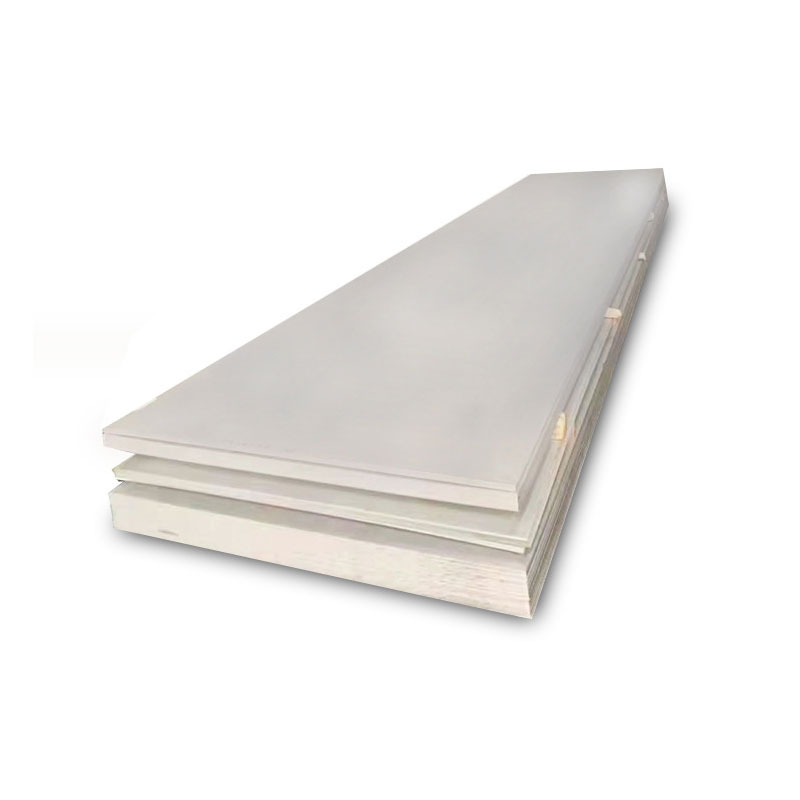
 What are the commonly used colors for colored stainless steel sheets?
Colored stainless steel sheets come in a rich variety of colors and surface finishes, making them highly favored by designers and consumers both domestically and internationally. What are some of the commonly used colors?
 06 2026-03
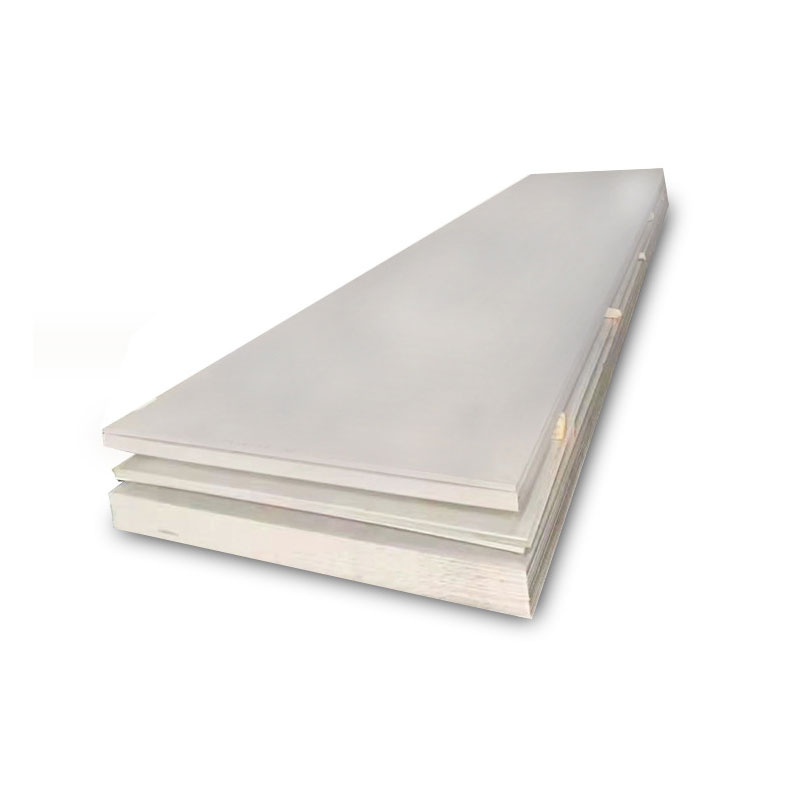
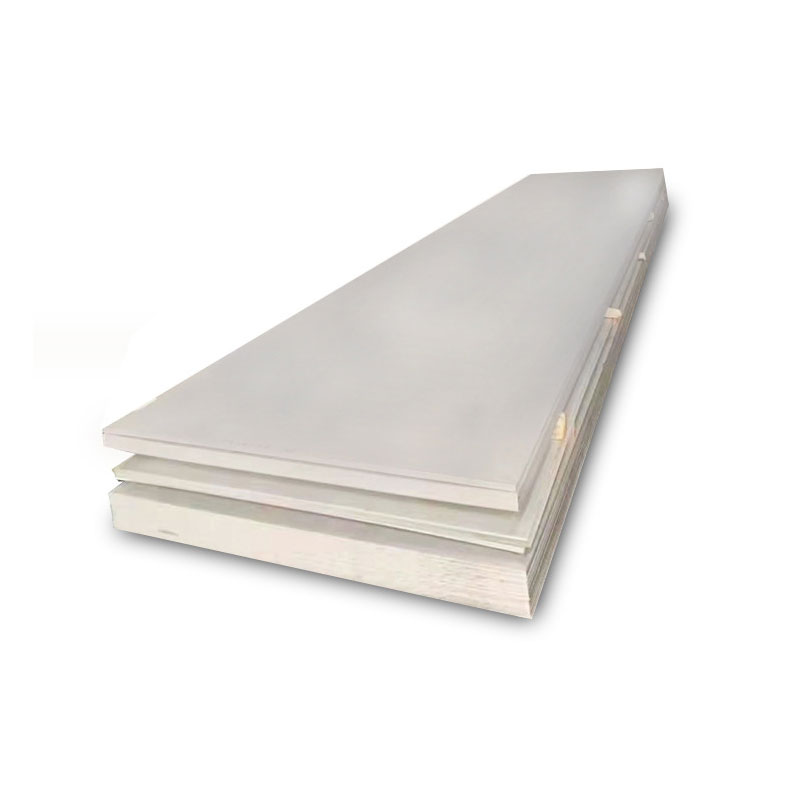
 What Can Stainless Steel Sheets Be Used For? Do You Know Their Classifications and Thicknesses?
Stainless steel sheet is a building material that possesses many ideal properties, making it truly unique among metals. It is widely used in daily life, such as in decoration, outdoor landscape engineering, electromechanical equipment, and exterior building materials.
 25 2026-02
 What are the requirements for inspecting 304 stainless steel sheets?
What are the requirements for inspecting 304 stainless steel sheets? Below, the editor from 304 stainless steel sheet will explain this issue, hoping it will be helpful to you.
 07 2026-02
 Origin and Characteristics of 304 Stainless Steel Sheet
304 stainless steel sheet is one of the most common materials in the stainless steel sheet category and also a top-selling product. It is widely used across various industries and is often referred to as 18/8 stainless steel sheet in the trade. Why is 304 stainless steel sheet so popular? The answer lies in its exceptional properties, such as corrosion resistance, high-temperature resistance, wear and scratch resistance, and strong ductility, which are also evident in everyday applications.