

News
Company News
 22 2026-06
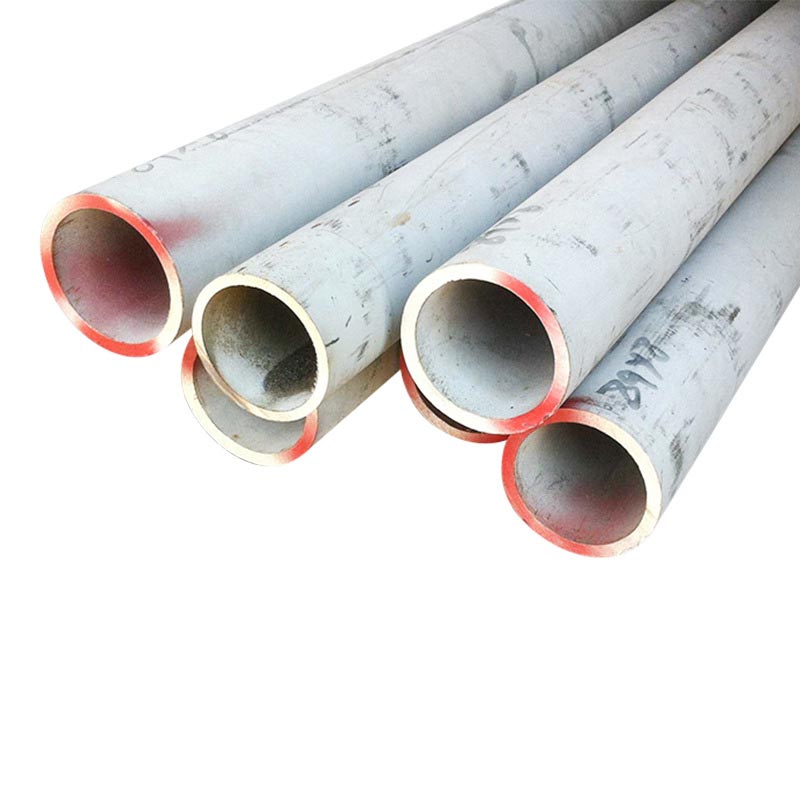
 Confused About 316L and 316 Stainless Steel Tubes?
316L stainless steel tube is a widely applied pipe material in construction engineering, featuring an oval hollow tubular structure.
It is extensively adopted for mechanical equipment, petrochemical facilities, medical devices, food processing and light industry pipelines, as well as mechanical components. Nevertheless, many buyers struggle to distinguish 316L stainless steel tubes from standard 316 stainless steel tubes.
 18 2026-06
 How to Distinguish 201 and 304 Stainless Steel Tubes Without Material Markings
Three Practical Methods to Tell 201 Apart from 304 Stainless Steel Tubes Without Stamps
304 stainless steel tubes have gained soaring popularity in recent years.
 18 2026-06
 What Are the Mandatory Conditions for Bright Annealing of 304 Stainless Steel Tubes?
Bright annealing relies on strict process parameters for 304 stainless steel tubes. Wuxi Yinshan Stainless Steel Co., Ltd. sorts out the key technical requirements as below:
 29 2026-05
 Leak-Tightness of 304 Thin-Wall Stainless Steel Water Pipes
Users familiar with 304 thin-wall stainless steel water pipes know that this type of piping is highly popular and represents a current application trend.
 29 2026-05
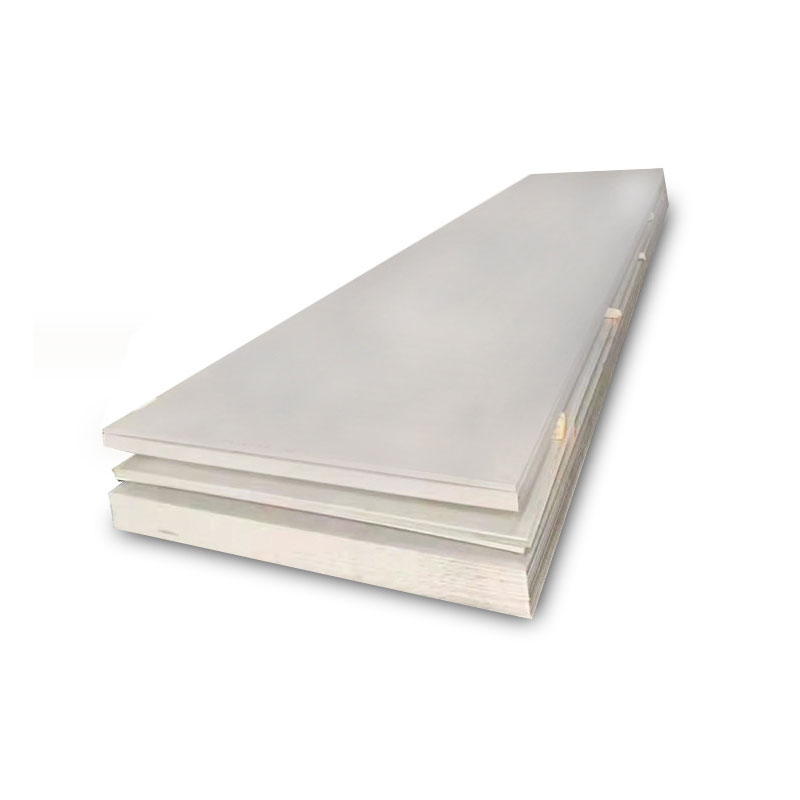
 What Is Required for Processing Mirror Stainless Steel Sheets?
Mirror stainless steel sheets feature deep color, a smooth surface, and high reflectivity, making them widely used in low-key luxury decoration for hotels, KTVs, villas, and other venues.
 14 2026-05
 Comparison of Advantages Between 304 Stainless Steel Water Pipes and PPR Pipes
Hello everyone. Today we will compare the advantages of 304 stainless steel water pipes and PPR pipes.