

News
Company News
 14 2025-11
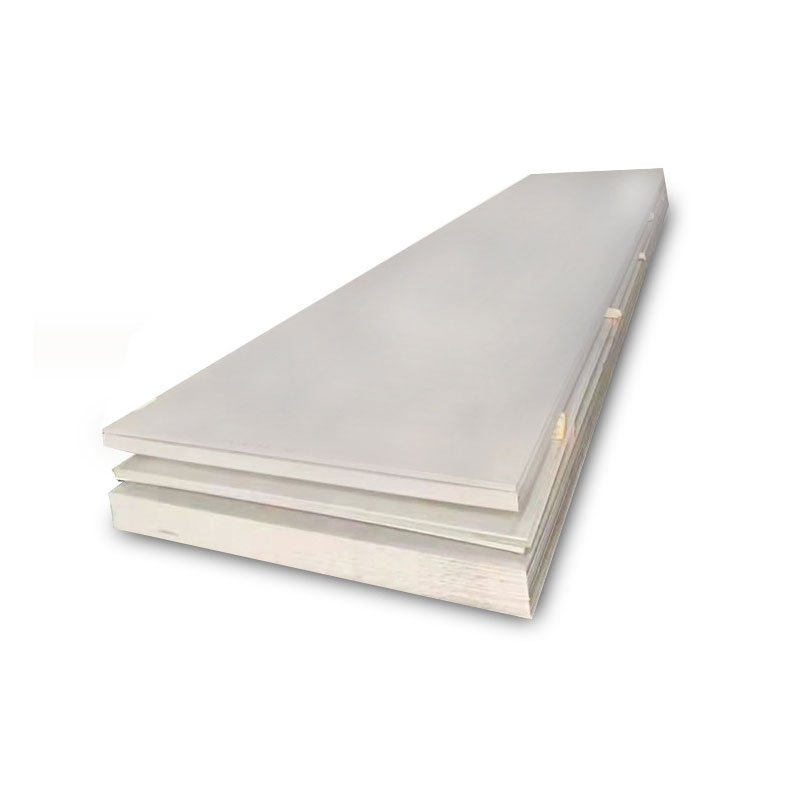
 What Are the Application Ranges of 304 Stainless Steel?
304 Stainless Steel is one of the most widely used chromium-nickel stainless steels. As a versatile steel, it exhibits good corrosion resistance, heat resistance, low-temperature strength, and mechanical properties. It is suitable for hot working such as stamping and bending, and does not undergo heat treatment hardening phenomena (service temperature -196°C to 800°C).
 07 2025-11
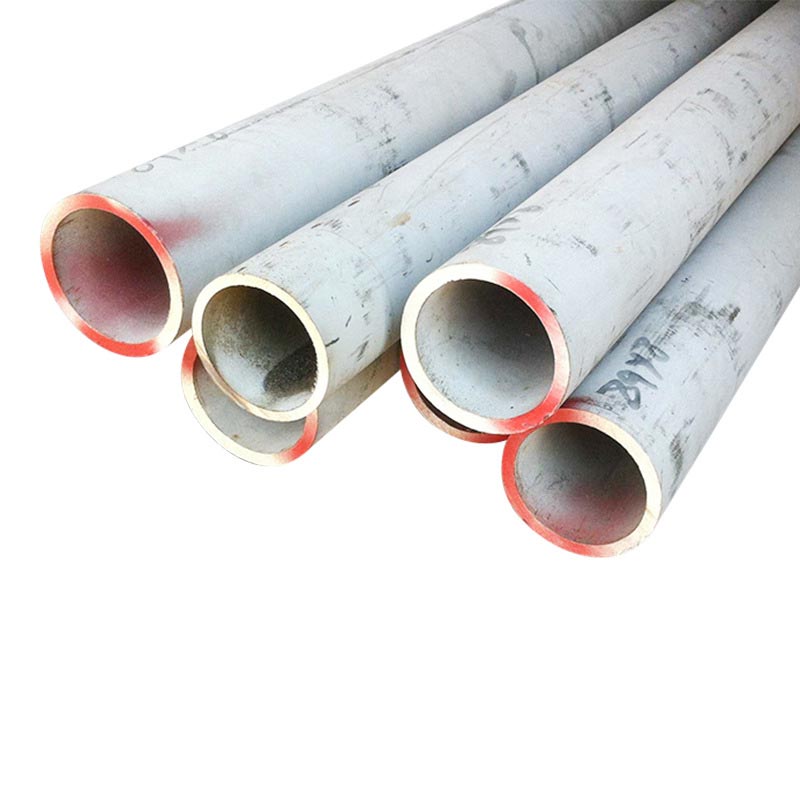
 Differences in Wall Thickness Tolerance Control Methods Between Stainless Steel Tube and Stainless Steel Seamless Tube
In terms of wall thickness variation, the situations for stainless steel tube and stainless steel seamless tube are fundamentally different, consequently demanding distinct requirements for their control systems. Typically, welded steel tubes exhibit minimal continuous longitudinal wall thickness variation.
 04 2025-11
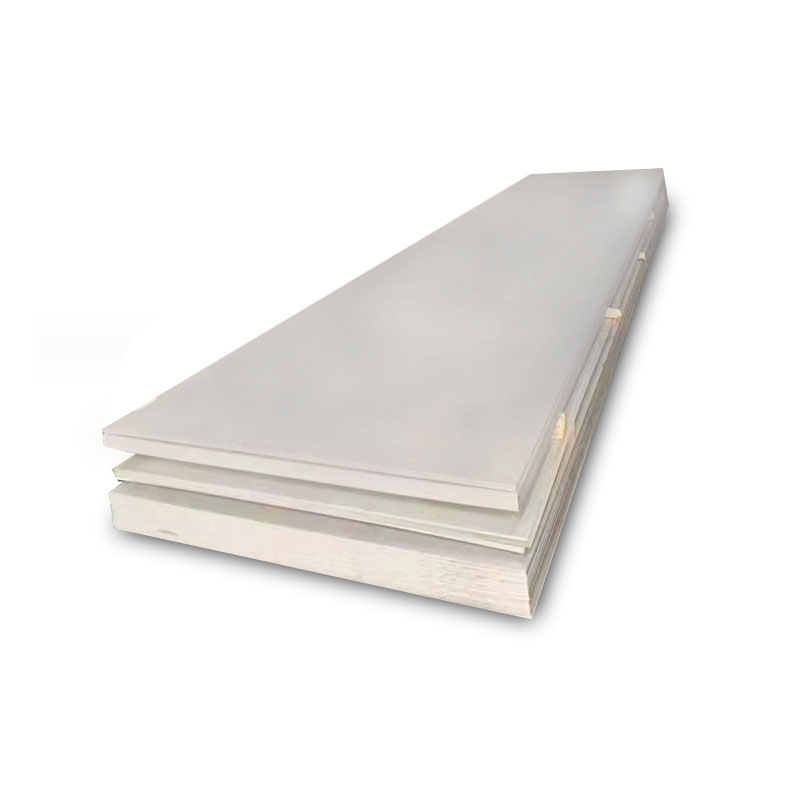
 What Problems Are Prone to Occur When Cutting 304 Stainless Steel Sheet?
304 Stainless Steel Sheet is widely used and has become a popular material in the market due to its excellent performance. Today, the editor will analyze the problems that are prone to occur when cutting 304 Stainless Steel Sheet.
 31 2025-10
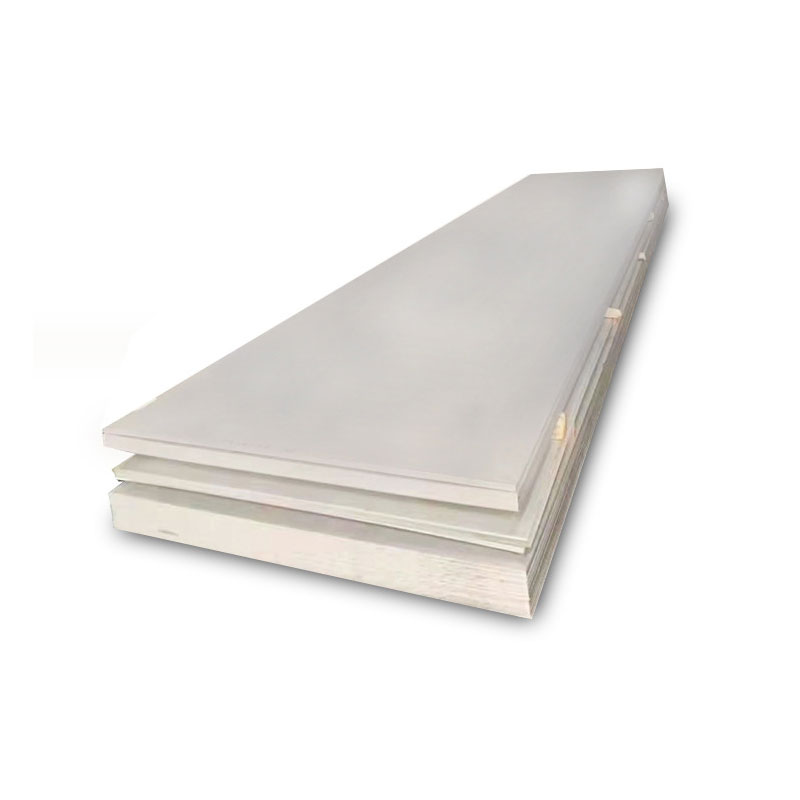
 How to Deal with Decarburization of 304 Stainless Steel Sheet?
The requirements for decarburization treatment of 304 stainless steel sheets involve decarburizing (and deoxidizing) molten steel under vacuum, which is based on the influence of pressure on chemical reactions. A decrease in the partial pressure of carbon monoxide promotes the decarburization process.
 28 2025-10
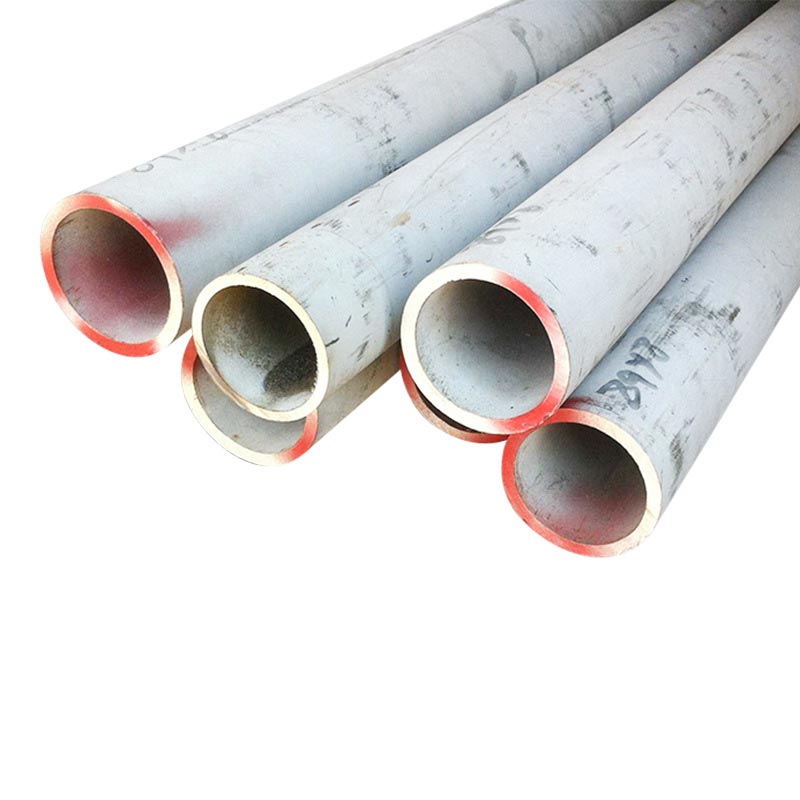
 Special attention must be paid to these issues during the welding of stainless steel tubes
Stainless steel tubes are manufactured by coiling steel plates or strips using machinery and molds, followed by welding. The key to ensuring the quality of stainless steel tubes lies in the quality of the raw materials.
 25 2025-10
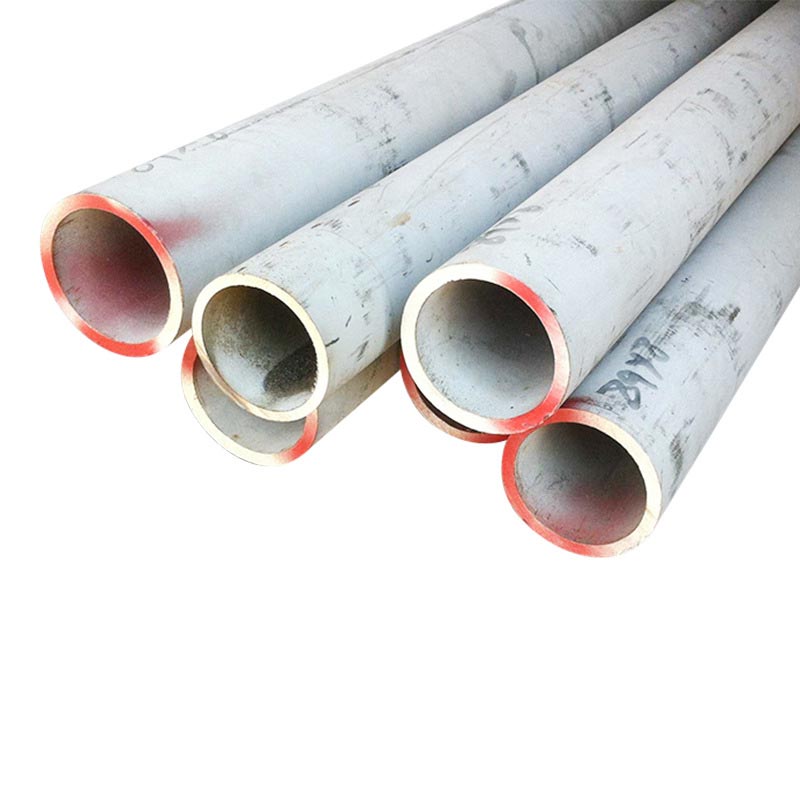
 Stainless-Steel-Tube Welding Process and Considerations
The stainless-steel-tube is characterized by ultra-low carbon, low nitrogen, a typical composition of Cr 17%, Ni 5%, and a higher nitrogen content compared to first-generation duplex steel stainless-steel-tubes. This enhances resistance to stress corrosion cracking and pitting corrosion in acidic media with high chloride ion concentrations.